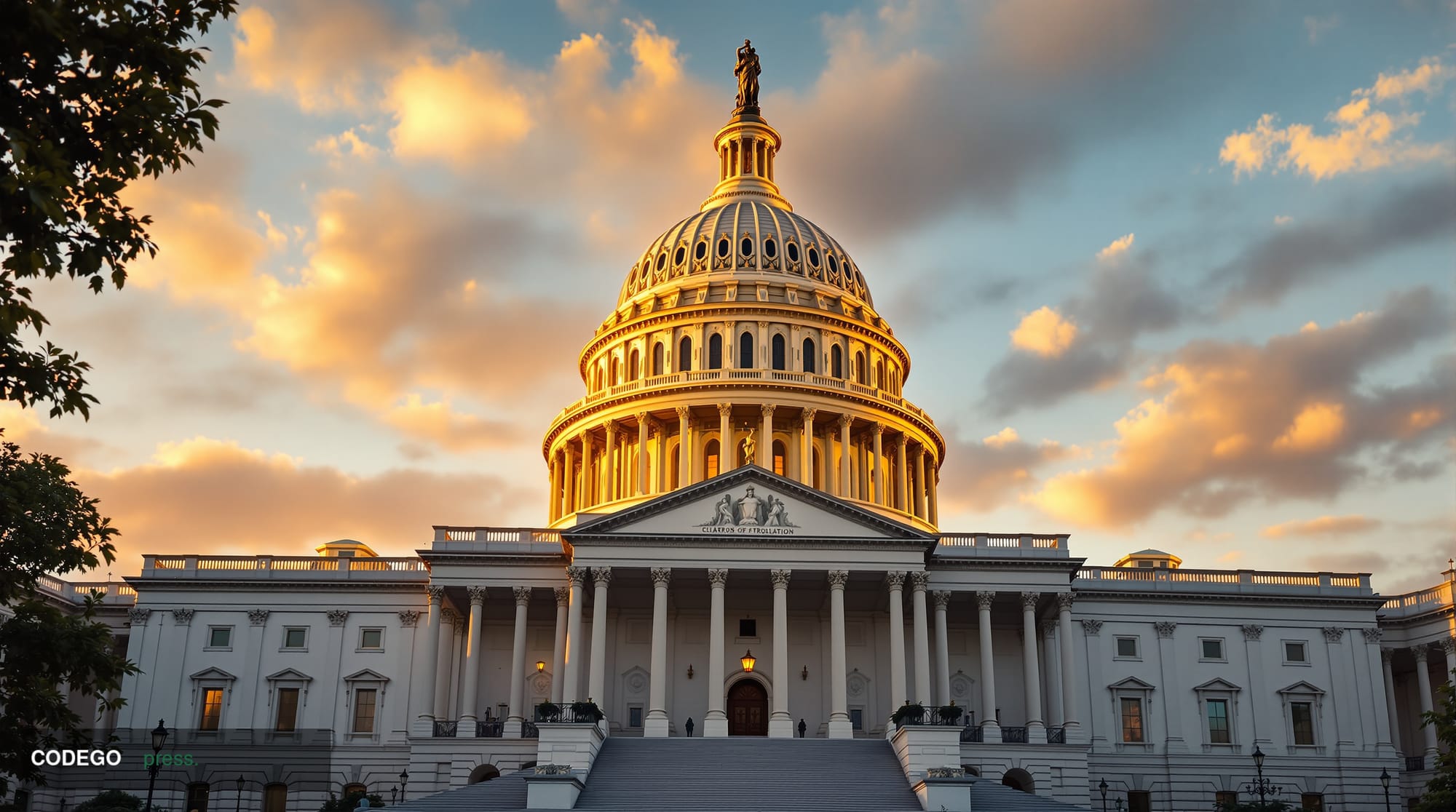
The cryptocurrency landscape in America has reached a pivotal moment as new data from the National Cryptocurrency Association (NCA) reveals that 67 million Americans now hold digital assets, coinciding with the CLARITY Act advancing toward a critical Senate floor vote on comprehensive regulatory framework.
This convergence of widespread adoption data and legislative momentum represents a defining juncture for the American cryptocurrency ecosystem. The NCA's figure of 67 million crypto holders represents roughly one in five Americans, underscoring the mainstream penetration of digital assets across diverse demographic segments. This adoption rate far exceeds early projections from financial institutions and regulatory bodies, signaling a fundamental shift in how Americans view and utilize alternative financial instruments.
The timing of this disclosure carries particular significance as the CLARITY Act moves through its final legislative stages. The proposed legislation seeks to establish comprehensive regulatory guidelines for cryptocurrency operations, trading platforms, and institutional custody services. Senate leadership has indicated that floor debate could commence within weeks, with bipartisan support emerging from both progressive technology advocates and traditional financial oversight proponents.
Industry analysts note that the 67 million holder figure represents a substantial constituency that senators cannot ignore during upcoming deliberations. This user base spans traditional investment demographics and extends into younger cohorts who view cryptocurrency as integral to their financial portfolios. The scale of adoption creates political pressure for measured regulatory approaches that protect consumers without stifling innovation or market access.
The CLARITY Act's provisions include establishment of federal licensing frameworks for cryptocurrency exchanges, enhanced consumer protection mechanisms, and clarified tax reporting requirements for digital asset transactions. These measures aim to address regulatory uncertainty that has plagued the sector while preserving the technological innovation that has driven widespread adoption among American investors and institutions.
Financial institutions have watched these developments closely, with many major banks and investment firms preparing compliance frameworks anticipating the legislation's passage. The combination of documented user adoption and regulatory clarity could unlock institutional investment flows that have remained constrained by compliance concerns and operational uncertainty.
For the 67 million Americans holding cryptocurrency, the CLARITY Act represents potential stabilization of regulatory oversight that could enhance market confidence and reduce volatility associated with regulatory ambiguity. The legislation's progress through the Senate will determine whether the United States positions itself as a leader in cryptocurrency regulation or allows other jurisdictions to capture the economic benefits of clear digital asset frameworks.
The convergence of these factors suggests that American cryptocurrency policy stands at an inflection point where user adoption, legislative momentum, and institutional readiness align to potentially reshape the domestic digital asset landscape for decades to come.
Written by the editorial team — independent journalism powered by Codego Press.