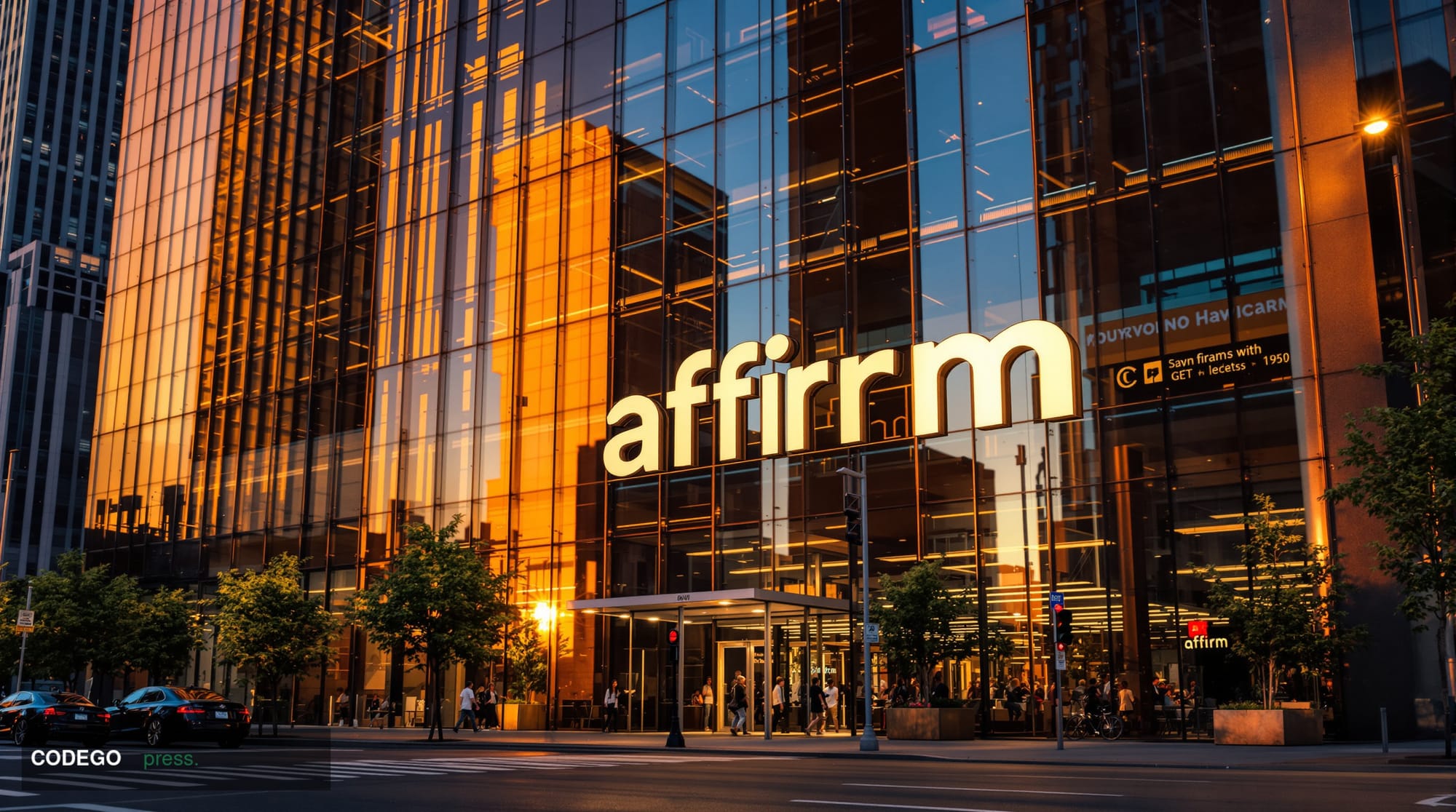
The buy-now-pay-later sector continues to demonstrate remarkable staying power in an increasingly challenging economic landscape, with Affirm Holdings Inc delivering standout third-quarter fiscal 2026 results that underscore the enduring appeal of flexible payment solutions among consumers and merchants alike.
For the quarter ended March 31, 2026, Affirm reported gross merchandise volume of $11.6 billion, representing a robust 35% increase from the prior year period. This substantial growth trajectory not only exceeded analyst expectations but also reinforced the company's position as a dominant force in the alternative lending ecosystem during a period when traditional financial institutions face mounting pressure from economic uncertainty.
The quarterly performance reveals more than mere numerical success—it illuminates fundamental shifts in consumer behavior and merchant adoption patterns that have accelerated despite macroeconomic headwinds. Affirm's ability to maintain steady revenue growth while beating earnings estimates suggests that the company has successfully navigated the delicate balance between aggressive expansion and prudent risk management that has challenged many fintech operators in recent quarters.
Market Dynamics Driving BNPL Resilience
The 35% year-over-year GMV increase occurs against a backdrop of persistent inflation, rising interest rates, and consumer spending uncertainty that has dampened growth prospects across numerous retail and financial services categories. This performance differential highlights how BNPL solutions have evolved from novel payment alternatives to essential infrastructure components for both e-commerce and brick-and-mortar retail environments.
Affirm's quarterly results reflect broader sectoral trends that position buy-now-pay-later services as counter-cyclical beneficiaries during periods of economic stress. As traditional credit becomes more expensive and harder to access, consumers increasingly turn to point-of-sale financing options that offer transparent terms and immediate approval processes. Simultaneously, merchants recognize BNPL integration as a competitive necessity rather than optional enhancement, driving the sustained GMV growth evident in Affirm's latest reporting.
The earnings beat demonstrates operational efficiency improvements that have allowed the company to scale transaction volumes while maintaining healthy unit economics. This achievement becomes particularly noteworthy when considered alongside regulatory scrutiny facing the BNPL sector, including ongoing discussions around consumer protection standards and potential capital requirements that could reshape industry dynamics.
Strategic Positioning and Market Leadership
Affirm's performance trajectory establishes the company as a case study in successful fintech evolution, transitioning from growth-at-all-costs startup mentality to sustainable profitability focus without sacrificing market share expansion. The steady revenue growth pattern suggests management has effectively balanced merchant acquisition investments with credit risk management protocols, creating a platform capable of weathering economic volatility while capturing market opportunities.
The company's ability to beat earnings estimates while delivering significant GMV growth indicates sophisticated risk assessment capabilities that distinguish Affirm from less mature BNPL competitors. This operational excellence becomes increasingly valuable as the sector matures and regulatory frameworks evolve to address consumer protection concerns without stifling innovation.
Implications for Financial Services Landscape
These results arrive at a pivotal moment for the broader financial services industry, as traditional banks grapple with net interest margin compression and credit quality concerns while fintech disruptors demonstrate resilience and adaptability. Affirm's performance validates the thesis that specialized lending platforms can outmaneuver incumbent institutions by focusing on specific use cases and customer segments rather than attempting to replicate full-service banking models.
The sustained growth trajectory also signals potential consolidation opportunities within the BNPL space, as successful operators like Affirm gain resources and market position advantages that could facilitate strategic acquisitions of smaller competitors or complementary technology providers. Such consolidation could accelerate industry maturation while providing clearer regulatory frameworks for oversight bodies seeking to balance innovation promotion with consumer protection mandates.
Affirm's third-quarter success story reinforces the notion that fintech companies capable of demonstrating both growth and profitability will continue attracting investor capital and merchant partnerships despite broader economic uncertainty. As the BNPL sector evolves from disruptive innovation to established financial infrastructure, companies like Affirm that can deliver consistent performance metrics while expanding market reach position themselves as long-term winners in the alternative lending revolution reshaping consumer finance.
Written by the editorial team — independent journalism powered by Codego Press.