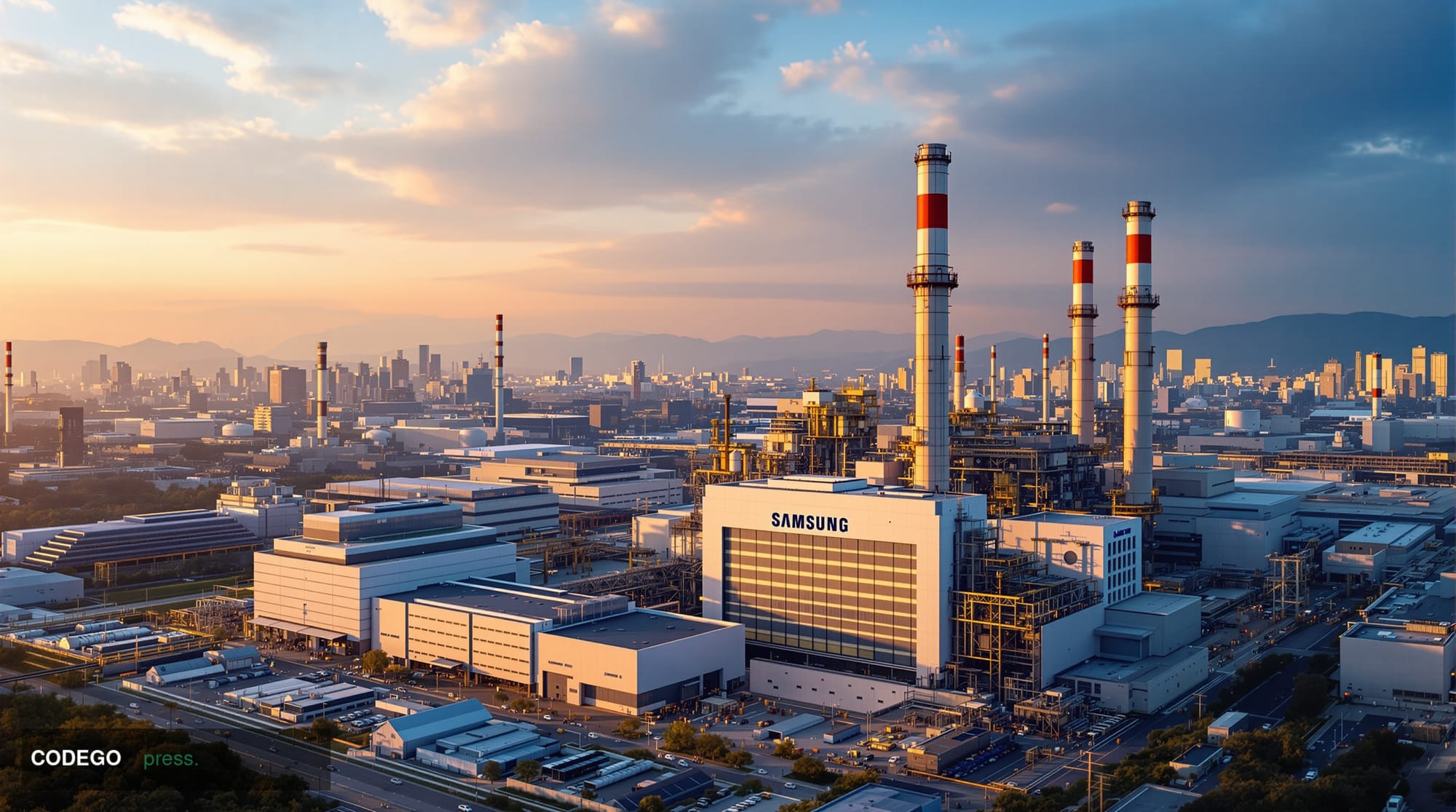
The artificial intelligence revolution is creating unprecedented market dynamics across Asia's technology powerhouses, with Samsung and Taiwan Semiconductor Manufacturing Company (TSMC) emerging as the primary beneficiaries of a sustained stock surge that is fundamentally reshaping the economic landscapes of Korea and Taiwan. This semiconductor-driven boom, while delivering substantial short-term gains, is simultaneously exposing both markets to dangerous levels of concentration risk that could prove volatile in the face of shifting AI demand patterns.
The current rally represents more than typical market enthusiasm for emerging technologies. Samsung's dominance in memory semiconductors and TSMC's stranglehold on advanced chip manufacturing have positioned these companies as essential infrastructure for the global AI ecosystem. As hyperscalers and technology giants scramble to secure semiconductor capacity for training large language models and deploying AI workloads at scale, both companies have become proxy investments for the broader artificial intelligence transformation sweeping through enterprise and consumer markets.
The concentration risk emerging in both Korean and Taiwanese markets reflects a fundamental shift in how regional economies are being valued by international investors. Korea's Korea Exchange and Taiwan's stock market are increasingly viewed through the lens of semiconductor exposure rather than their traditional diversified industrial bases. This dynamic has created a feedback loop where AI optimism drives semiconductor stocks higher, which in turn lifts broader market indices, attracting additional capital flows that further concentrate investment in chip-related assets.
For Korea, Samsung's semiconductor division has become the primary driver of market performance, overshadowing the conglomerate's traditional strengths in consumer electronics, shipbuilding, and financial services. The company's ability to supply high-bandwidth memory crucial for AI training has positioned it as an indispensable partner to major cloud providers and AI developers. This semiconductor focus has elevated Samsung's market capitalization while simultaneously making Korea's economic outlook increasingly dependent on global AI infrastructure spending patterns.
Taiwan's situation presents an even more acute concentration challenge, with TSMC representing an outsized portion of the island's market capitalization and export revenues. The company's advanced node capabilities, particularly in 3-nanometer and emerging 2-nanometer processes, have made it the sole manufacturer capable of producing the most sophisticated AI accelerators. This technological moat has created extraordinary demand for TSMC's services, but it has also made Taiwan's economic fortunes inextricably linked to the continued expansion of AI computing requirements.
The geopolitical implications of this semiconductor concentration extend beyond market dynamics into questions of economic sovereignty and supply chain resilience. Both Korea and Taiwan find themselves at the center of great power competition for AI supremacy, with their domestic champions becoming strategic assets in the global race for artificial intelligence leadership. This positioning brings both opportunities for premium valuations and risks associated with potential trade disruptions or shifts in AI development priorities.
Market Vulnerability and Systemic Risk
The heavy reliance on semiconductor demand creates multiple layers of vulnerability for both markets. Changes in AI investment cycles, shifts in hyperscaler capital allocation strategies, or technological disruptions that alter chip requirements could trigger significant market corrections. The concentration also means that company-specific issues at Samsung or TSMC could have disproportionate impacts on their respective national markets, creating systemic risks that extend far beyond the semiconductor sector.
Investment flows into Korean and Taiwanese markets are increasingly correlated with AI sentiment rather than traditional economic fundamentals, creating a dynamic where market performance becomes divorced from broader economic conditions. This disconnect poses challenges for domestic investors and policymakers who must navigate markets where external factors—particularly developments in artificial intelligence—have outsized influence on local asset prices and economic indicators.
The semiconductor boom driving these markets forward represents both the pinnacle of technological achievement and a cautionary tale about the risks of excessive economic concentration. As Samsung and TSMC continue benefiting from AI-driven demand, Korea and Taiwan must grapple with the reality that their economic futures have become increasingly tied to the sustained growth and evolution of artificial intelligence technologies, creating vulnerabilities that could prove challenging to manage if market dynamics shift unexpectedly.
Written by the editorial team — independent journalism powered by Codego Press.