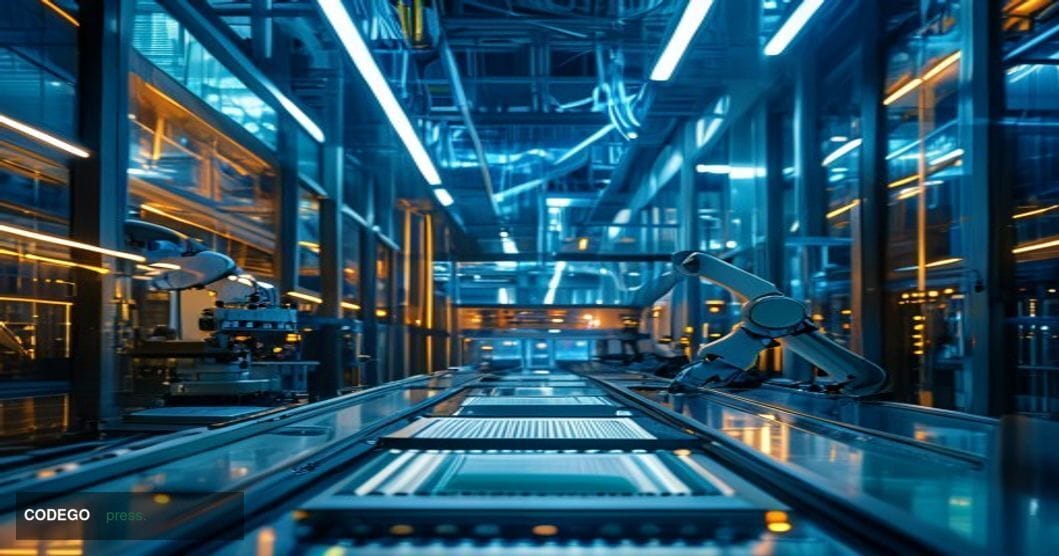
The unprecedented wave of artificial intelligence funding flowing into American technology giants is creating ripple effects across Asian markets, where hardware manufacturers find themselves simultaneously benefiting from surging demand while navigating treacherous valuation waters and mounting geopolitical pressures.
Asian technology firms have emerged as indispensable players in the global AI infrastructure ecosystem, providing the critical hardware components that power everything from data centers to edge computing devices. These companies occupy strategic positions in supply chains that have become increasingly vital as OpenAI, SpaceX, and other American AI leaders secure massive funding rounds to accelerate their technological ambitions.
The current investment climate presents a double-edged scenario for Asian hardware manufacturers. On one hand, the explosive growth in AI applications has created unprecedented demand for specialized semiconductors, advanced processors, and sophisticated cooling systems that many Asian firms are uniquely positioned to supply. Major technology hubs across Taiwan, South Korea, and Japan have seen production facilities operating at capacity to meet the insatiable appetite for AI-optimized hardware.
However, this surge in demand has introduced significant valuation risks that threaten to destabilize the careful balance these companies have maintained. As venture capital floods into AI startups and established players alike, the resulting market dynamics are pushing hardware valuations to levels that many industry analysts consider unsustainable. The disconnect between fundamental business metrics and inflated market expectations has created an environment where even profitable Asian tech firms face volatility typically associated with speculative investments.
Geopolitical tensions add another layer of complexity to this evolving landscape. Trade relationships between the United States and key Asian manufacturing centers continue to influence supply chain decisions, forcing companies to navigate regulatory frameworks that can shift rapidly. These challenges are particularly acute for firms involved in semiconductor manufacturing and advanced materials production, where technology transfer restrictions and export controls can materially impact business operations.
The strategic importance of Asian hardware suppliers has never been more apparent, yet their position remains precarious. Companies that have spent decades building expertise in precision manufacturing and supply chain optimization now find themselves at the center of a global technology race where the stakes extend far beyond traditional business considerations. The ability to maintain production capabilities while managing political sensitivities has become a core competency for survival in this environment.
Looking ahead, the trajectory of Asian AI hardware firms will likely depend on their ability to balance the immediate opportunities presented by surging US investment with the longer-term challenges of maintaining sustainable valuations and navigating an increasingly complex geopolitical landscape. The companies that emerge as winners in this next wave will be those that can demonstrate both technological leadership and strategic adaptability in an environment where success requires more than just manufacturing excellence.
Written by the editorial team — independent journalism powered by Codego Press.