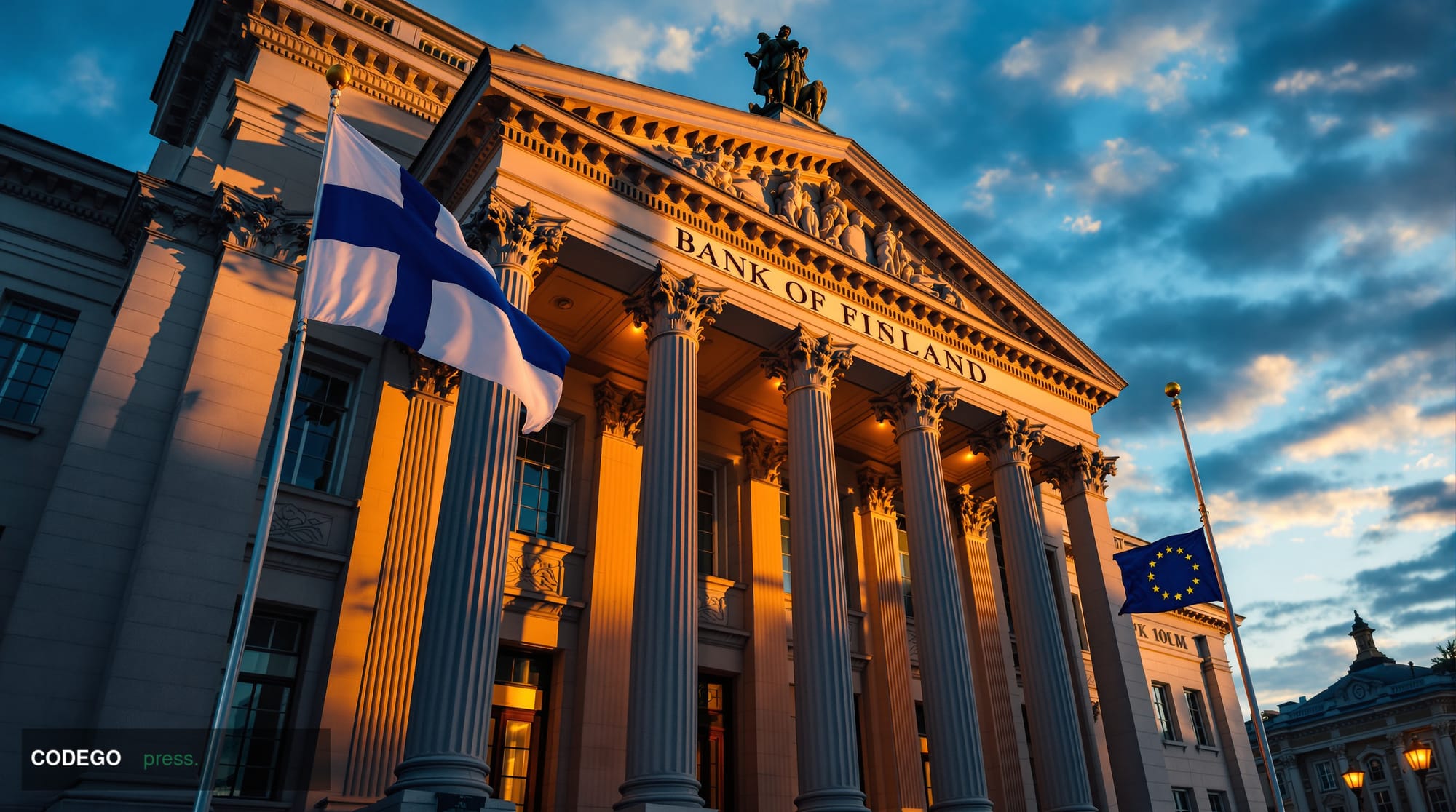
The intersection of geopolitics and monetary policy took center stage this week as Bank of Finland Board Member Tuomas Välimäki delivered pointed remarks about Europe's economic challenges in an era of intensifying global power struggles. Speaking at the central bank's biannual diplomatic gathering in Helsinki on June 2, Välimäki addressed a room of European Union Heads of Mission about how political tensions are reshaping the continent's economic landscape.
The timing of Välimäki's speech reflects growing concerns among European monetary authorities about the spillover effects of geopolitical friction on economic policy coordination. As a member of the European Central Bank Governing Council through his role at Finland's central bank, Välimäki's observations carry particular weight in discussions about how external political pressures influence monetary policy decisions across the eurozone.
The Bank of Finland's biannual lunch for EU diplomatic representatives has evolved into a crucial forum for discussing the nexus between economic policy and international relations. This gathering brings together financial policymakers and diplomatic officials at a time when traditional boundaries between monetary policy and geopolitical strategy continue to blur. The choice to address "Europe's economy under the weight of power politics" signals recognition among central banking circles that monetary authorities can no longer operate in isolation from broader political dynamics.
European monetary policy has faced unprecedented challenges as global power dynamics shift and traditional multilateral frameworks come under strain. Central banks across the continent must now navigate not only inflation targeting and financial stability concerns but also consider how international sanctions, trade disputes, and security threats affect their policy transmission mechanisms. This expanded mandate requires closer coordination between monetary authorities and diplomatic institutions.
The Finnish central bank's perspective carries particular significance given Finland's unique position within European security and economic architecture. As a eurozone member that shares a lengthy border with Russia and maintains strong ties to both Nordic and Baltic economic networks, Finland offers insights into how geopolitical tensions directly impact monetary policy effectiveness and financial market stability.
Välimäki's address to EU diplomatic representatives underscores the growing recognition that central bank communication strategies must account for geopolitical sensitivities while maintaining credibility in financial markets. This balancing act becomes increasingly complex as economic sanctions, energy security concerns, and supply chain disruptions create new transmission channels between political events and monetary conditions.
The Bank of Finland's diplomatic outreach efforts reflect broader trends across European central banking, where institutions seek to strengthen coordination with foreign policy establishments. As monetary policy tools become instruments of broader strategic competition, central bankers find themselves operating at the intersection of economic expertise and diplomatic necessity. This evolution challenges traditional notions of central bank independence while creating new imperatives for policy coordination across institutional boundaries.
Written by the editorial team — independent journalism powered by Codego Press.