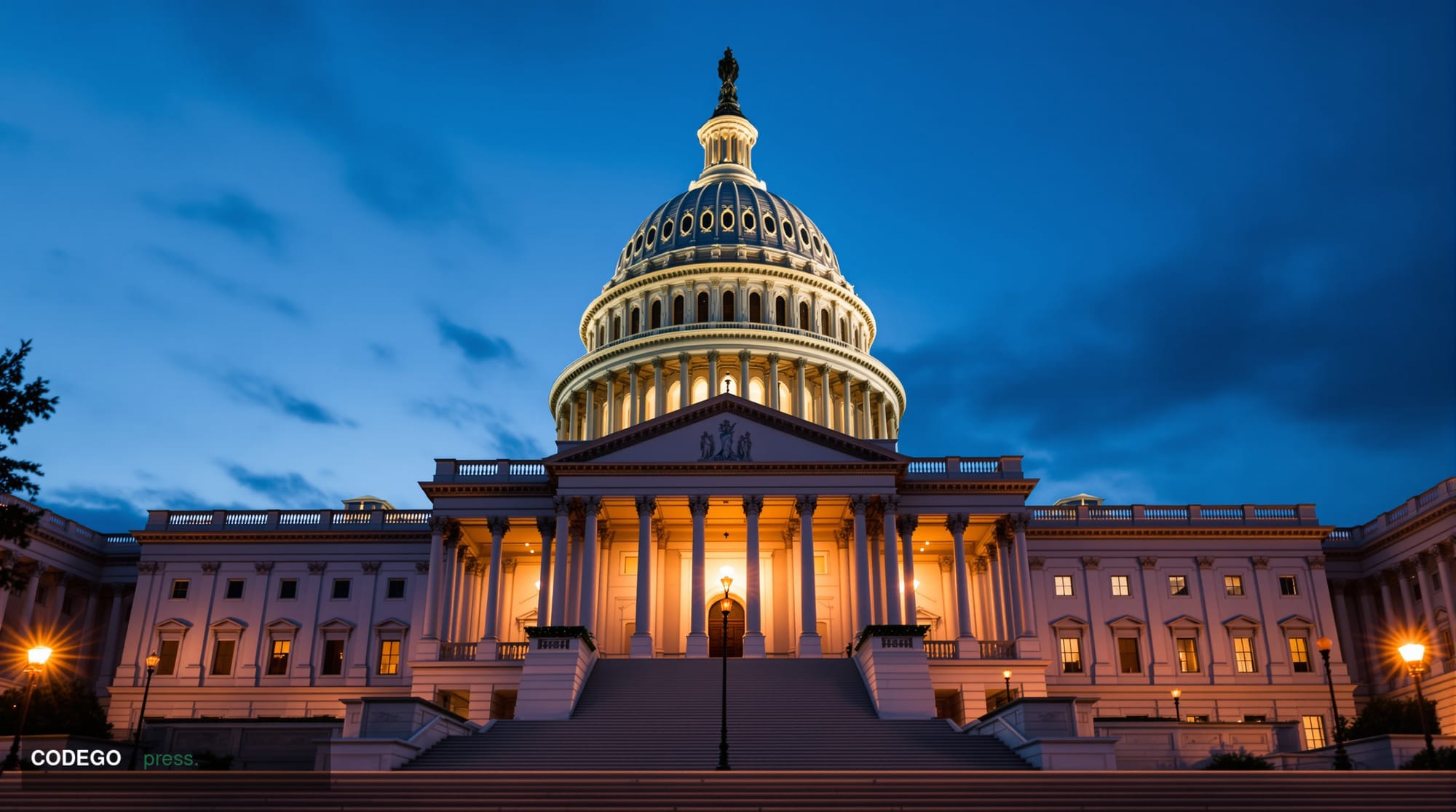
The banking industry's resistance to compromise on stablecoin regulation is intensifying as the CLARITY Act approaches a critical Senate Banking Committee markup hearing scheduled for Thursday. Banking associations have mounted a coordinated opposition campaign against yield provisions that emerged from recent policy negotiations, signaling that the path to stablecoin regulation remains fraught with institutional tensions.
The stablecoin yield compromise, hammered out by various policymakers in recent weeks, represents a delicate balance between innovation and financial stability concerns. However, banking industry representatives view these provisions as fundamentally flawed, issuing a joint statement last week that outlined their objections to the negotiated framework. The timing of this pushback, just days before the markup hearing, underscores the strategic pressure campaign being waged by traditional financial institutions.
At the heart of the banking industry's concerns lies the competitive implications of allowing stablecoin issuers to offer yield on their digital dollar products. Traditional banks have long argued that permitting such yield mechanisms creates an uneven playing field, particularly given the regulatory constraints they face in offering similar products to retail customers. The compromise provisions apparently fail to address these competitive dynamics in ways that satisfy banking stakeholders.
The CLARITY Act itself represents one of the most significant attempts at comprehensive stablecoin regulation to emerge from Congress. The legislation aims to establish clear regulatory frameworks for digital asset issuers while addressing consumer protection, monetary policy, and systemic risk concerns. However, the yield compromise has become a lightning rod for broader debates about the role of private stablecoins in the financial system.
Thursday's Senate Banking Committee markup hearing will serve as a crucial test of whether policymakers can navigate these competing interests. The banking industry's vocal opposition creates additional complexity for lawmakers already grappling with technical questions about reserve requirements, redemption mechanisms, and systemic risk thresholds. Committee members must weigh industry concerns against the broader goal of establishing regulatory clarity for the rapidly growing stablecoin market.
The political dynamics surrounding the CLARITY Act reflect deeper tensions within the financial services ecosystem. Traditional banks seek to protect their deposit franchise and lending businesses from potential disruption by stablecoin products that could offer superior user experiences and yield opportunities. Meanwhile, stablecoin issuers and their supporters argue that innovation requires regulatory frameworks that don't simply replicate existing banking constraints.
The outcome of Thursday's markup hearing will likely determine whether the CLARITY Act can advance with sufficient political momentum to navigate the full legislative process. Banking industry opposition could complicate vote counts within the committee, particularly if members view the yield compromise as inadequately protecting traditional financial institutions. Conversely, successful navigation of these concerns could position the legislation for broader Senate consideration in the coming months.
The stablecoin yield debate ultimately reflects fundamental questions about the future architecture of digital money and its relationship to traditional banking. As policymakers grapple with these complex tradeoffs, the banking industry's resistance highlights the challenges of crafting regulation that balances innovation with incumbent interests. Thursday's hearing will provide crucial insights into whether compromise is possible or if the regulatory path forward requires choosing sides in this evolving financial landscape.
Written by the editorial team — independent journalism powered by Codego Press.