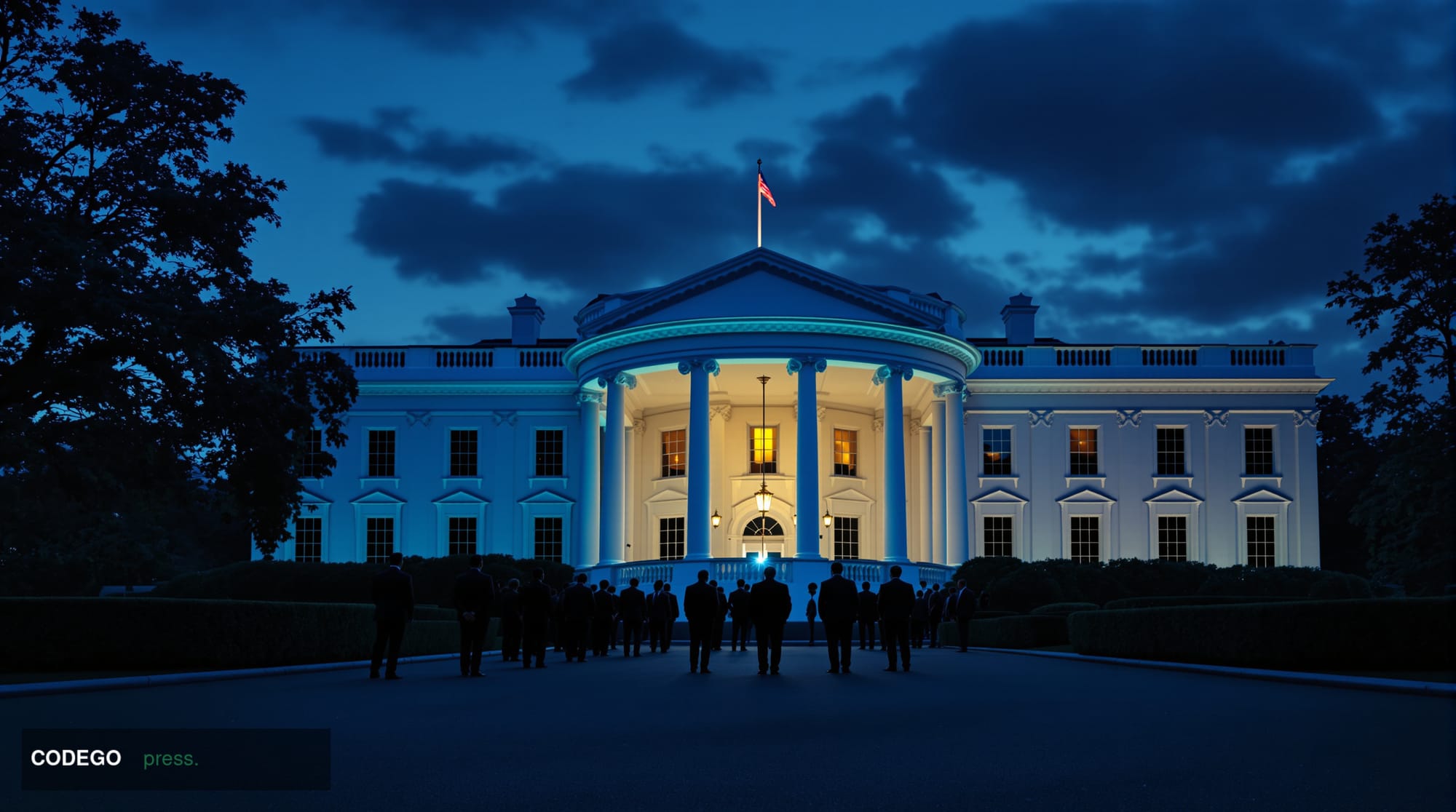
Binance, the world's largest cryptocurrency exchange by trading volume, has failed to execute its monthly Luna Classic burn for November — the first time the exchange has skipped the ritual since 2023. The lapse comes as Binance continues to grapple with the operational and financial fallout of what has been described as a record-breaking $6.3 billion hack, raising urgent questions about the exchange's capacity to maintain its community commitments while managing an unprecedented security crisis.
A Streak Broken Under Extraordinary Pressure
Since reestablishing the monthly burn program in 2023, Binance had maintained a consistent cadence of destroying Luna Classic (LUNC) tokens on behalf of the broader LUNC community — a practice designed to reduce the token's enormous circulating supply and provide deflationary support to its price. The burns became one of the more visible gestures of goodwill from a major centralized exchange toward a retail community still nursing deep wounds from the catastrophic collapse of the original Terra ecosystem in 2022. Breaking that streak, however briefly, sends a signal that operations at Binance are far from normal.
The LUNC holder community, which has long scrutinized Binance's burn contributions with considerable attention, is now left waiting for clarity on whether the November burn will be executed belatedly or skipped altogether. For a token whose valuation thesis rests substantially on supply reduction mechanics, each missed burn represents not only a symbolic setback but a concrete deviation from the deflationary trajectory the community has been tracking closely.
The $6.3 Billion Hack: A Crisis of Historic Proportions
The backdrop to this missed commitment is a security breach of staggering scale. The $6.3 billion hack — the largest in the history of centralized cryptocurrency exchanges — has forced Binance into an intensive recovery posture that appears to be consuming substantial organizational bandwidth. While Binance has not publicly detailed the full scope of the operational disruptions stemming from the breach, the inability to execute a routine monthly burn suggests that internal processes, treasury operations, or both have been materially affected.
To put the figure in context: the $6.3 billion loss eclipses previous landmark exchange hacks by a considerable margin. The 2022 Ronin Network breach, which resulted in approximately $625 million in losses, was long considered one of the worst incidents in the industry's history. Binance's current situation represents roughly ten times that figure, placing it in entirely uncharted territory for centralized exchange security failures. The ripple effects across counterparty relationships, liquidity management, and user confidence are difficult to overstate.
Community Trust in the Balance
For the LUNC community specifically, the missed burn arrives at a sensitive moment. The relationship between LUNC holders and Binance has historically been transactional but important — the exchange's voluntary burn contributions have served as a meaningful supplement to the on-chain burn tax mechanisms that the community itself has advocated for and implemented. Binance's participation lent the burn program a degree of institutional credibility and volume that smaller, decentralized efforts could not replicate on their own.
The concern now is whether this November miss represents an isolated operational disruption tied directly to the hack recovery effort, or the beginning of a broader retreat from discretionary community commitments as Binance prioritizes stabilizing its core business. Exchanges under severe financial and reputational pressure routinely scale back non-essential expenditures, and voluntary token burns — regardless of their symbolic importance to retail communities — would be among the first items to be deprioritized in a crisis management scenario.
What This Means for LUNC and Broader Market Confidence
The immediate implications for LUNC are primarily psychological rather than structural. A single missed monthly burn does not fundamentally alter the token's long-term supply reduction trajectory, but it does introduce uncertainty into a narrative that has depended on the reliability of institutional participation. Markets react to consistency, and the LUNC community's burn-tracking infrastructure — closely watched by holders for signs of momentum — will register this gap prominently.
More broadly, Binance's struggle to maintain routine operations while absorbing the consequences of a $6.3 billion hack underscores a systemic vulnerability that the cryptocurrency industry has been slow to address: the concentration of critical market functions within single centralized entities. When an exchange of Binance's size and centrality faces a crisis of this magnitude, the disruptions radiate outward across dozens of tokens, communities, and market structures that have built dependencies on its continued, stable operation. The LUNC burn miss is, in that sense, a symptom of something considerably larger than a missed calendar entry — it is evidence of just how much of the cryptocurrency ecosystem's day-to-day functioning remains dependent on the operational health of a handful of dominant centralized platforms.
Whether Binance chooses to execute a delayed November burn, double down in December, or quietly allow the program to lapse will be watched closely by the LUNC community and by the broader market as a barometer of how effectively the exchange is managing its recovery from the most damaging hack in crypto history.
Written by the editorial team — independent journalism powered by Codego Press.