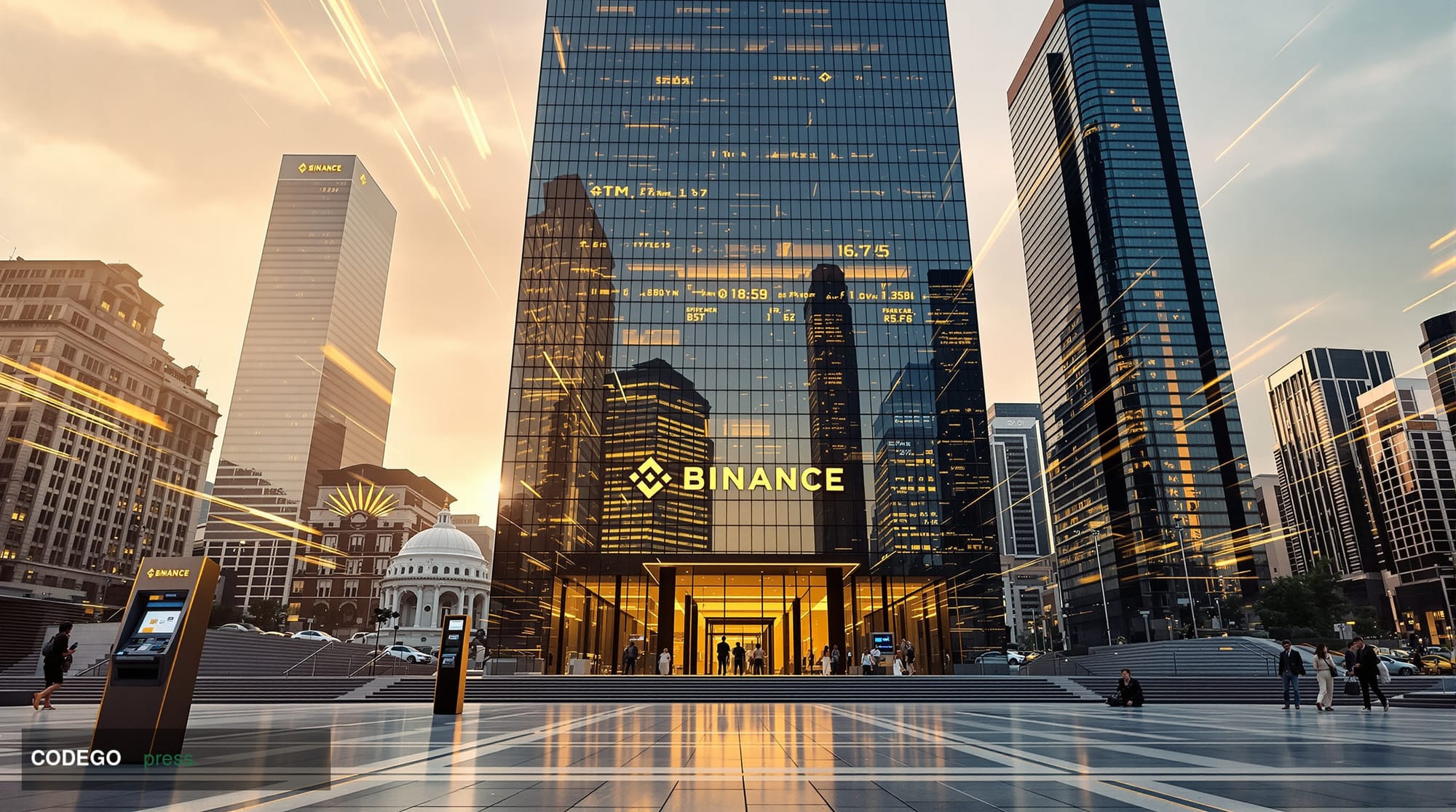
The financial services landscape is experiencing a fundamental restructuring as traditional boundaries between asset classes dissolve. Two significant developments this month underscore this transformation: Binance expanding its platform to include stocks and exchange-traded funds, and MoneyGram launching a US dollar-backed stablecoin. These moves represent more than incremental product expansions—they signal the emergence of an integrated financial ecosystem where crypto and traditional assets operate within a single infrastructure.
The decision by Binance to list stocks and ETFs marks a pivotal moment in the evolution of digital asset platforms. Historically, cryptocurrency exchanges and stock brokerages operated as distinct entities, serving different investor segments with specialized infrastructure. Crypto platforms focused exclusively on digital assets, while traditional brokerages handled equities, bonds, and derivatives. This segregation reflected not only technological limitations but also regulatory frameworks that treated these asset classes as fundamentally different categories.
Binance's expansion strategy challenges this conventional wisdom by creating a unified trading environment where investors can access both digital and traditional assets through a single interface. This convergence addresses a growing demand from sophisticated investors who seek portfolio diversification across asset classes without the friction of maintaining multiple accounts and platforms. The integration also reflects the platform's ambition to become a comprehensive financial services provider rather than merely a cryptocurrency exchange.
Stablecoins Bridge Traditional and Digital Payments
MoneyGram's introduction of a US dollar-backed stablecoin represents another facet of this convergence, specifically in the payments sector. As a established player in cross-border remittances, MoneyGram's embrace of stablecoin technology demonstrates how traditional financial service providers are adapting to digital currency infrastructure. The move positions the company to leverage blockchain technology's speed and cost advantages while maintaining the stability and regulatory compliance that traditional financial institutions require.
The timing of these announcements is particularly significant, occurring as regulatory clarity around digital assets continues to evolve globally. Both companies are positioning themselves ahead of what many industry observers anticipate will be broader institutional adoption of integrated financial platforms. The European Union's Markets in Crypto-Assets (MiCA) regulation and similar frameworks in other jurisdictions are creating standardized rules that enable traditional and digital asset services to coexist under coherent regulatory oversight.
This convergence trend extends beyond individual company strategies to reflect broader market dynamics. Institutional investors increasingly view cryptocurrency as a legitimate asset class worthy of portfolio allocation alongside traditional investments. Simultaneously, the infrastructure supporting digital assets has matured to the point where it can handle the scale and security requirements of traditional financial services. The result is a blurring of lines between what were once distinct market segments.
Implications for Financial Infrastructure
The emergence of unified financial platforms has profound implications for market structure and competition. Traditional banks and brokerages now face competition from crypto-native firms that can offer comprehensive services without legacy system constraints. This competitive pressure is driving innovation across the financial services sector, as established players seek to integrate digital asset capabilities while maintaining their existing customer relationships and regulatory standing.
For investors and consumers, this convergence promises improved efficiency and reduced friction in financial transactions. The ability to trade stocks, bonds, cryptocurrencies, and other assets within a single platform eliminates the need to transfer funds between different institutions and reduces transaction costs. Additionally, the integration of stablecoin technology into payment systems offers the potential for faster, cheaper cross-border transactions compared to traditional correspondent banking networks.
The developments at Binance and MoneyGram represent early indicators of a fundamental shift toward a more integrated financial system. As regulatory frameworks continue to evolve and technology infrastructure matures, the distinction between traditional and digital financial services will likely become increasingly irrelevant. The companies positioning themselves at the intersection of these worlds today may well define the architecture of tomorrow's financial ecosystem.
Written by the editorial team — independent journalism powered by Codego Press.