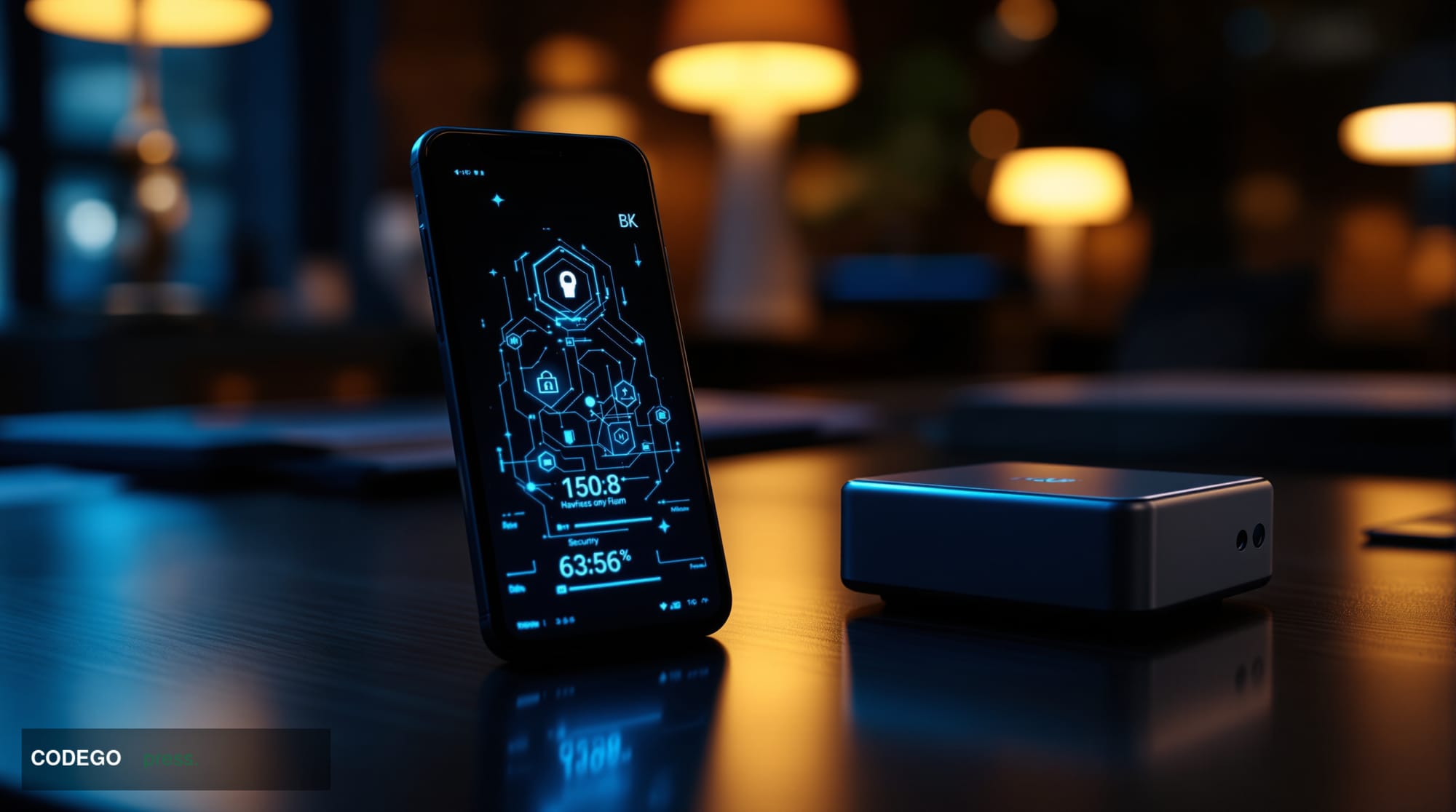
The cryptocurrency security paradigm faces a fundamental challenge from an unexpected source: the smartphone sitting in your pocket. Cardano and Ethereum co-founder Charles Hoskinson has sparked industry debate by asserting that modern smartphones may deliver superior digital asset protection compared to dedicated hardware wallets, upending conventional wisdom about cryptocurrency security best practices.
Hoskinson's argument centers on the sophisticated secure elements embedded within contemporary mobile devices, particularly those manufactured by Apple, Google's Android ecosystem, and Samsung. These specialized chips, originally designed to protect payment credentials and biometric data, represent a level of hardware security integration that many standalone cryptocurrency storage devices struggle to match. The implications extend far beyond technical specifications, potentially reshaping how institutions and individual investors approach digital asset custody.
The secure element technology that Hoskinson highlights operates as a tamper-resistant hardware component, isolated from the device's main processor and operating system. In devices like the iPhone's Secure Enclave or Samsung's Knox architecture, these chips maintain cryptographic keys in environments specifically engineered to resist both physical and software-based attacks. This isolation creates multiple layers of protection that hardware wallet manufacturers have traditionally struggled to implement at comparable scale and cost efficiency.
Traditional hardware wallets have long dominated the cryptocurrency security narrative through their air-gapped design philosophy—maintaining complete separation from internet-connected systems during key generation and transaction signing. However, Hoskinson's perspective suggests that this isolation advantage may be diminishing as smartphone secure elements achieve comparable cryptographic isolation while offering superior user experience and broader ecosystem integration. The argument gains weight when considering the massive research and development investments that companies like Apple and Samsung dedicate to mobile security, resources that dwarf those available to specialized hardware wallet manufacturers.
The timing of this security reassessment proves particularly significant as institutional cryptocurrency adoption accelerates. Traditional financial institutions evaluating digital asset custody solutions face complex decisions about security infrastructure, with many defaulting to hardware wallet solutions based on established industry practices rather than rigorous technical evaluation. Hoskinson's analysis suggests that smartphone-based security could offer enterprises more scalable and user-friendly custody options while maintaining or potentially exceeding security standards.
Implementation challenges remain substantial despite the theoretical security advantages. Smartphone operating systems present larger attack surfaces compared to dedicated hardware wallet firmware, creating potential vulnerabilities that malicious actors might exploit. Additionally, the convenience of smartphone-based cryptocurrency storage could encourage risky user behaviors, such as installing untested applications or connecting to unsecured networks, that compromise even the most sophisticated underlying security architecture.
The broader implications for cryptocurrency infrastructure development extend beyond individual storage solutions. If smartphone secure elements prove viable for institutional-grade digital asset custody, the development trajectory for both mobile security and cryptocurrency protocols could converge more rapidly than previously anticipated. This convergence might accelerate mainstream adoption by reducing the technical barriers that currently separate cryptocurrency users from traditional financial services consumers.
Hoskinson's perspective reflects broader industry evolution as cryptocurrency security moves beyond the early adopter phase toward mainstream financial integration. The debate over smartphone versus hardware wallet security ultimately represents competing visions for how digital assets will integrate with everyday financial activities. Whether through dedicated devices or ubiquitous smartphones, the security foundation established today will determine the scalability and accessibility of tomorrow's digital economy.
Written by the editorial team — independent journalism powered by Codego Press.