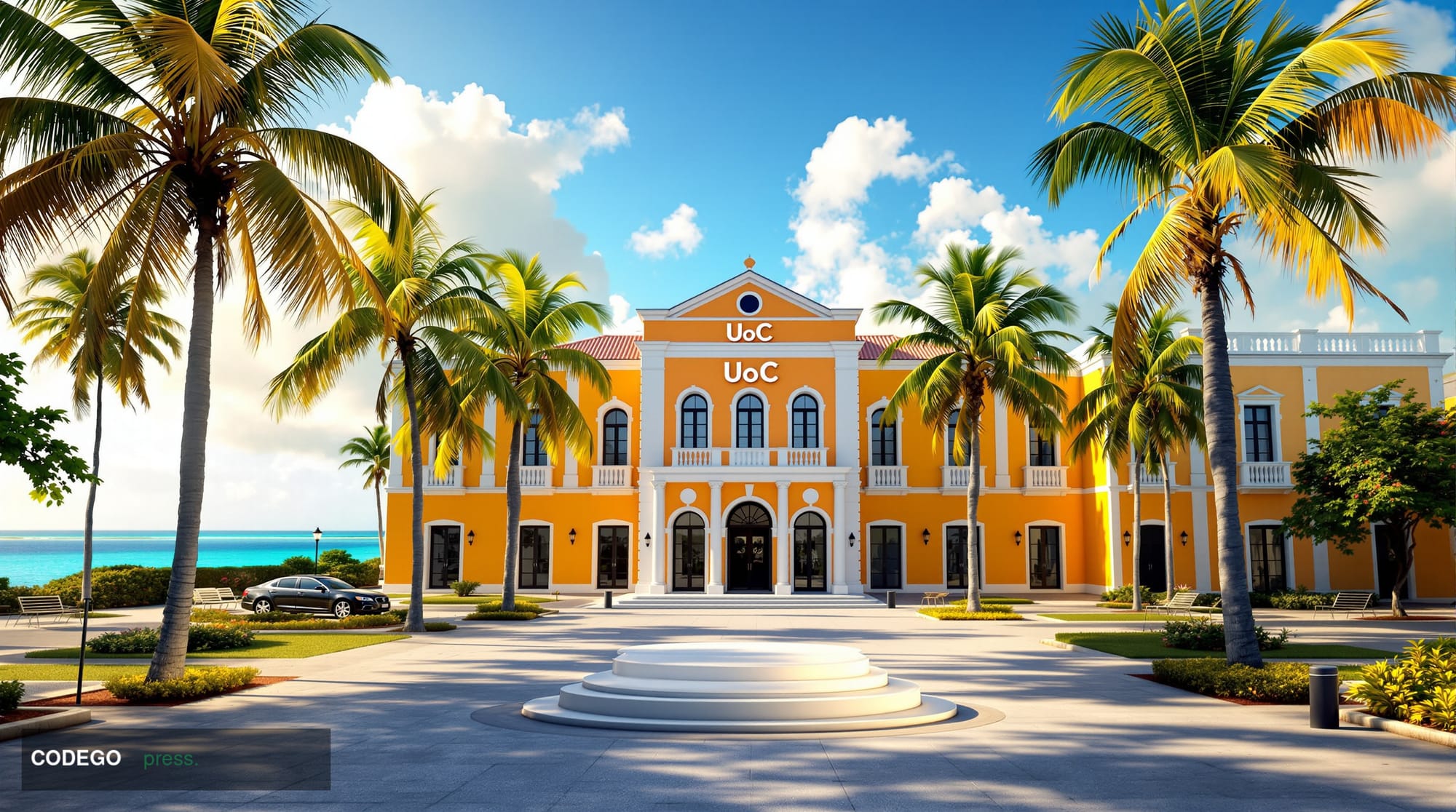
The Central Bank of Curaçao and Sint Maarten has signaled its commitment to sustainable finance through high-level engagement with academic institutions, as President Richard Doornbosch delivered opening remarks at the University of Curaçao's SustainaBUL Awards 2026 ceremony last month. The April 22 event in Willemstad represents a notable intersection of central banking leadership and educational sustainability initiatives in the Caribbean region.
Doornbosch's participation in the university's sustainability awards program underscores the growing recognition among Caribbean financial authorities that environmental and social governance considerations are integral to monetary policy frameworks. The Central Bank of Curaçao and Sint Maarten operates as the monetary authority for both autonomous territories within the Kingdom of the Netherlands, managing monetary policy for a combined population of approximately 350,000 residents across the two Caribbean islands.
The timing of the central bank president's address coincides with increasing pressure on small island developing states to integrate climate resilience into their financial systems. Caribbean economies face particular vulnerability to climate-related risks, including hurricane damage, sea-level rise, and tourism disruption, making sustainability considerations especially relevant for regional monetary authorities. The University of Curaçao's SustainaBUL Awards program appears designed to foster innovation in sustainable development practices among students and faculty.
Central banks worldwide have increasingly embraced sustainability mandates, with institutions like the European Central Bank and Bank of England incorporating climate risk assessments into their supervisory frameworks. For smaller Caribbean monetary authorities, such initiatives often require partnerships with academic institutions and international organizations to develop necessary expertise and research capabilities.
The collaboration between the Central Bank of Curaçao and Sint Maarten and the University of Curaçao reflects broader trends in central banking toward stakeholder engagement and knowledge sharing. Academic partnerships provide central banks with access to research capabilities and emerging talent while offering universities real-world application opportunities for sustainability studies. This model has proven particularly valuable for smaller jurisdictions with limited internal research resources.
Curaçao's position as a regional financial center adds significance to the central bank's sustainability focus. The island hosts numerous international financial services firms and maintains correspondent banking relationships throughout the Caribbean and Latin America. Environmental and social governance standards increasingly influence these relationships, as international banks face regulatory pressure to assess the sustainability practices of their correspondent partners.
The SustainaBUL Awards ceremony represents part of a broader Caribbean initiative to position the region as a leader in sustainable finance practices despite economic constraints. Small island states have argued for differentiated treatment in international sustainability frameworks, citing their limited contribution to global emissions while facing disproportionate climate impacts. Central bank participation in academic sustainability programs helps build the institutional capacity necessary to advocate for such positions in international forums.
Looking ahead, the integration of sustainability considerations into Caribbean monetary policy frameworks will likely accelerate as international financial institutions increasingly prioritize environmental and social governance factors in their lending and investment decisions. The partnership between the Central Bank of Curaçao and Sint Maarten and the University of Curaçao provides a template for how smaller monetary authorities can leverage academic resources to advance sustainability objectives while maintaining their core financial stability mandates.
Written by the editorial team — independent journalism powered by Codego Press.