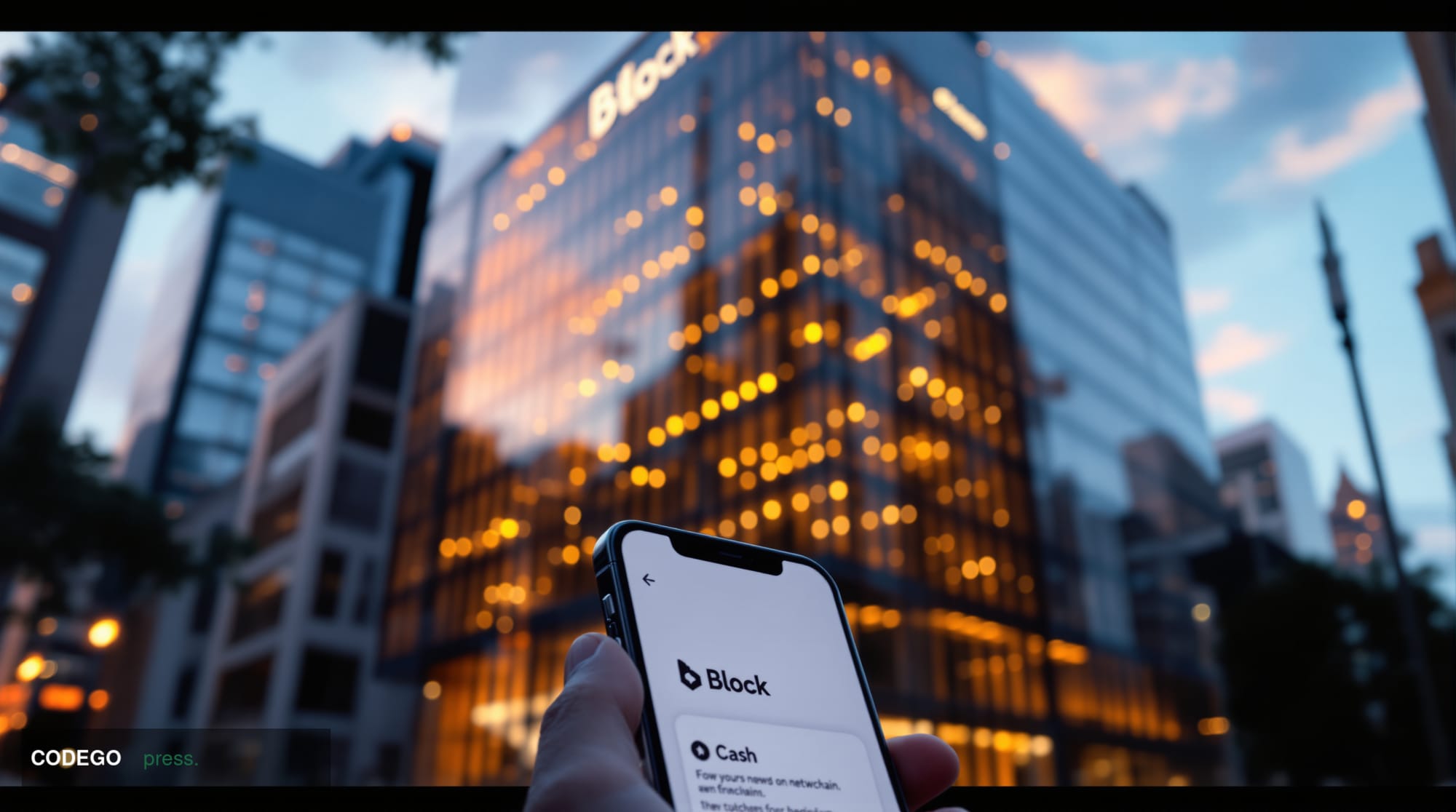
Block's Cash App has launched stablecoin transaction capabilities across multiple blockchain networks, including Ethereum and Solana, marking a significant departure from the payment platform's historically Bitcoin-centric approach. The expansion represents a strategic shift that broadens the financial services company's cryptocurrency offerings beyond its original digital asset focus.
This development positions Cash App to compete more directly with established cryptocurrency exchanges and multi-asset digital wallets in the stablecoin market. The integration of stablecoin functionality allows users to transact with dollar-pegged digital currencies across different blockchain ecosystems, potentially reducing transaction costs and settlement times for everyday payments and transfers.
The move diverges from the philosophical stance previously articulated by Block co-founder Jack Dorsey, who has expressed skepticism about stablecoins and their role in the cryptocurrency ecosystem. Dorsey has characterized stablecoins as potential "gatekeepers" that could undermine the decentralized principles that Bitcoin represents, viewing them as instruments that maintain traditional financial intermediation rather than eliminating it.
From a business perspective, Cash App's stablecoin integration addresses practical user demands for faster, cheaper cross-border payments and crypto-to-fiat conversions. Stablecoins have emerged as critical infrastructure for cryptocurrency trading and decentralized finance applications, with their price stability making them more suitable for everyday transactions than volatile cryptocurrencies like Bitcoin.
Strategic Implications for Block's Ecosystem
The expansion into multi-network stablecoin support reflects Block's evolution from a Bitcoin-maximalist company into a more pragmatic financial technology provider. By supporting Ethereum and Solana networks, Cash App gains access to the extensive decentralized application ecosystems built on these platforms, potentially opening new revenue streams through transaction fees and enhanced user engagement.
This strategic pivot also positions Cash App to capture market share in the rapidly growing stablecoin economy, which has become essential infrastructure for digital payments and cryptocurrency trading. The integration allows Block to serve users who require the stability of dollar-pegged assets while maintaining exposure to blockchain technology benefits.
Industry observers note that this expansion may signal Block's recognition that cryptocurrency adoption requires supporting multiple use cases and asset types, rather than maintaining ideological purity around Bitcoin. The company's shareholders and users increasingly demand practical financial solutions that leverage blockchain technology's efficiency gains without the volatility associated with speculative cryptocurrencies.
The timing of this launch coincides with growing institutional adoption of stablecoins for treasury management and cross-border payments. Major corporations and financial institutions have begun incorporating stablecoins into their payment workflows, creating demand for consumer-facing platforms that can seamlessly integrate with these business processes.
Cash App's stablecoin implementation represents a calculated bet that cryptocurrency's future lies in practical applications rather than ideological adherence to any single blockchain or asset type. This pragmatic approach may prove essential for competing against established players like Coinbase and emerging fintech platforms that offer comprehensive cryptocurrency services. The expansion demonstrates how even companies with strong philosophical foundations must adapt to market realities and user demands to maintain relevance in the evolving digital payments landscape.
Written by the editorial team — independent journalism powered by Codego Press.