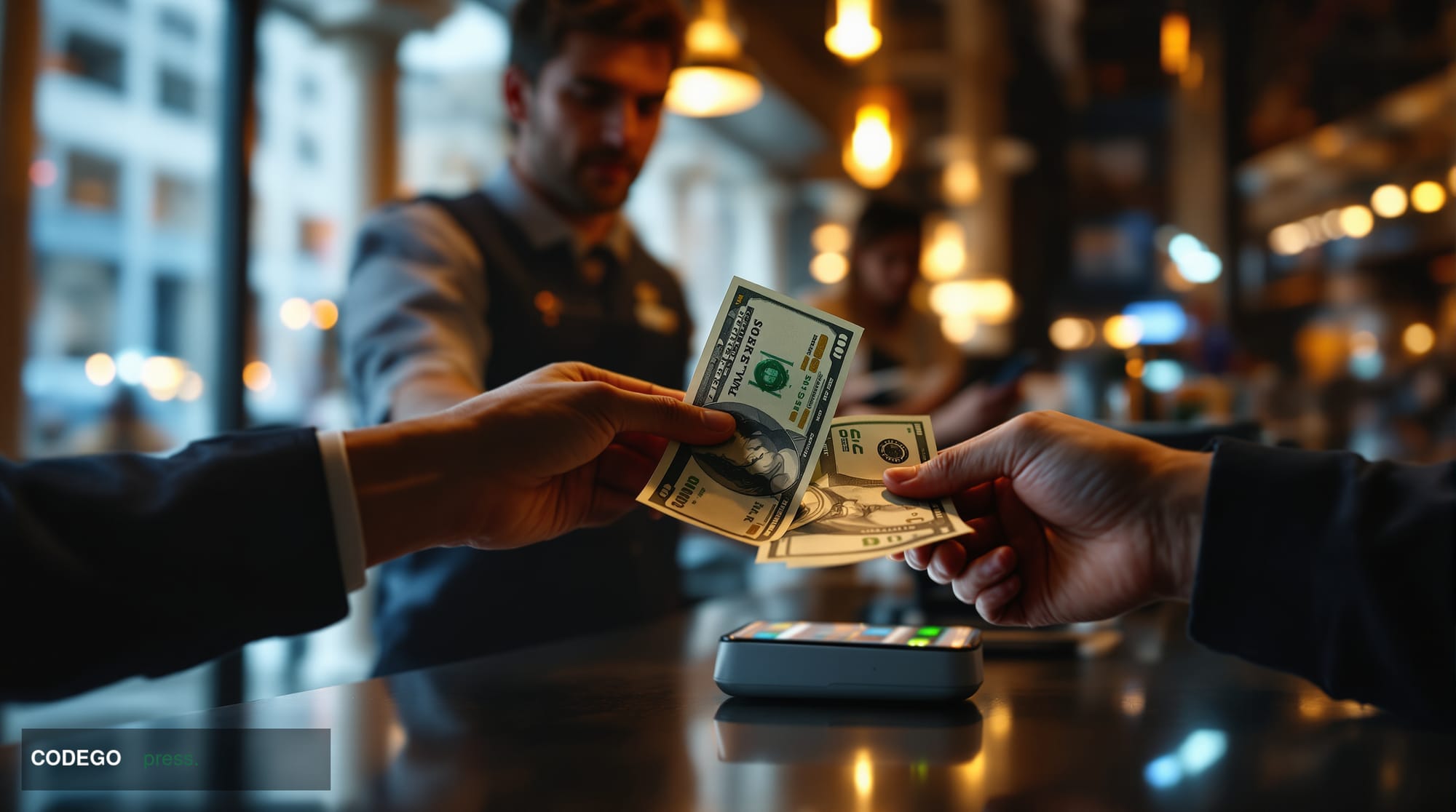
The fintech revolution promised to eliminate cash from American wallets, yet new data from the Federal Reserve reveals a stubborn reality: consumers still reach for bills and coins for approximately one in seven transactions. The 2026 Diary of Consumer Payment Choice, now in its tenth year of tracking American payment behaviors, underscores a fundamental disconnect between the industry's digital ambitions and consumer adoption patterns.
This 14 percent cash usage rate represents a striking persistence of physical currency despite a decade of unprecedented innovation in digital payment technologies. From the rise of mobile wallets to the proliferation of buy-now-pay-later services, the payments landscape has transformed dramatically since the Federal Reserve Financial Services began this comprehensive survey. Yet cash maintains its foothold in the American economy with remarkable tenacity.
The findings challenge the prevailing narrative that digital payments would rapidly displace traditional currency. Major payment processors like Visa and Mastercard have invested billions in contactless technology and digital infrastructure, while fintech companies have built entire business models around the assumption of declining cash usage. The persistence of physical currency suggests that consumer behavior changes more slowly than technology adoption curves typically predict.
Several factors likely contribute to cash's resilience in the American payment ecosystem. Privacy concerns remain paramount for many consumers, particularly as data breaches and surveillance capitalism concerns intensify. Cash transactions leave no digital footprint, offering anonymity that even the most sophisticated digital payment solutions cannot match. Additionally, cash serves as a budgeting tool for millions of Americans, providing tangible spending limits that digital payments can obscure.
The socioeconomic dimensions of payment choice cannot be ignored. Cash remains essential for underbanked populations who lack access to traditional banking services or credit products. Small businesses, particularly in service industries, often prefer cash transactions to avoid processing fees that can erode thin profit margins. These structural factors suggest that cash usage may prove more durable than industry projections anticipated.
Market Implications for Payment Providers
The Federal Reserve's data presents both challenges and opportunities for payment technology companies. The steady 14 percent cash usage rate indicates a ceiling on purely digital payment adoption, forcing companies to recalibrate growth expectations and market penetration models. However, it also highlights the substantial opportunity that remains in converting cash transactions to digital alternatives.
Payment processors and fintech startups must now grapple with a bifurcated market where digital adoption has plateaued among early adopters while significant populations remain committed to cash transactions. This reality demands more nuanced strategies that address the specific needs and concerns of cash-preferring consumers rather than assuming universal enthusiasm for digital alternatives.
The ten-year trajectory of the Federal Reserve's survey provides valuable longitudinal perspective on payment evolution. As the study enters its second decade, the data increasingly suggests that the payments ecosystem will remain hybrid rather than achieving the fully digital transformation that many industry leaders once predicted. This recognition may prompt more realistic investment strategies and product development approaches across the fintech sector.
For policymakers and financial institutions, the survey results underscore the importance of maintaining cash infrastructure even as digital payments expand. The Federal Reserve's role in currency circulation and monetary policy must account for persistent consumer demand for physical money, despite technological alternatives. This balance between innovation support and traditional payment method preservation will likely define regulatory approaches in the coming years.
Written by the editorial team — independent journalism powered by Codego Press.