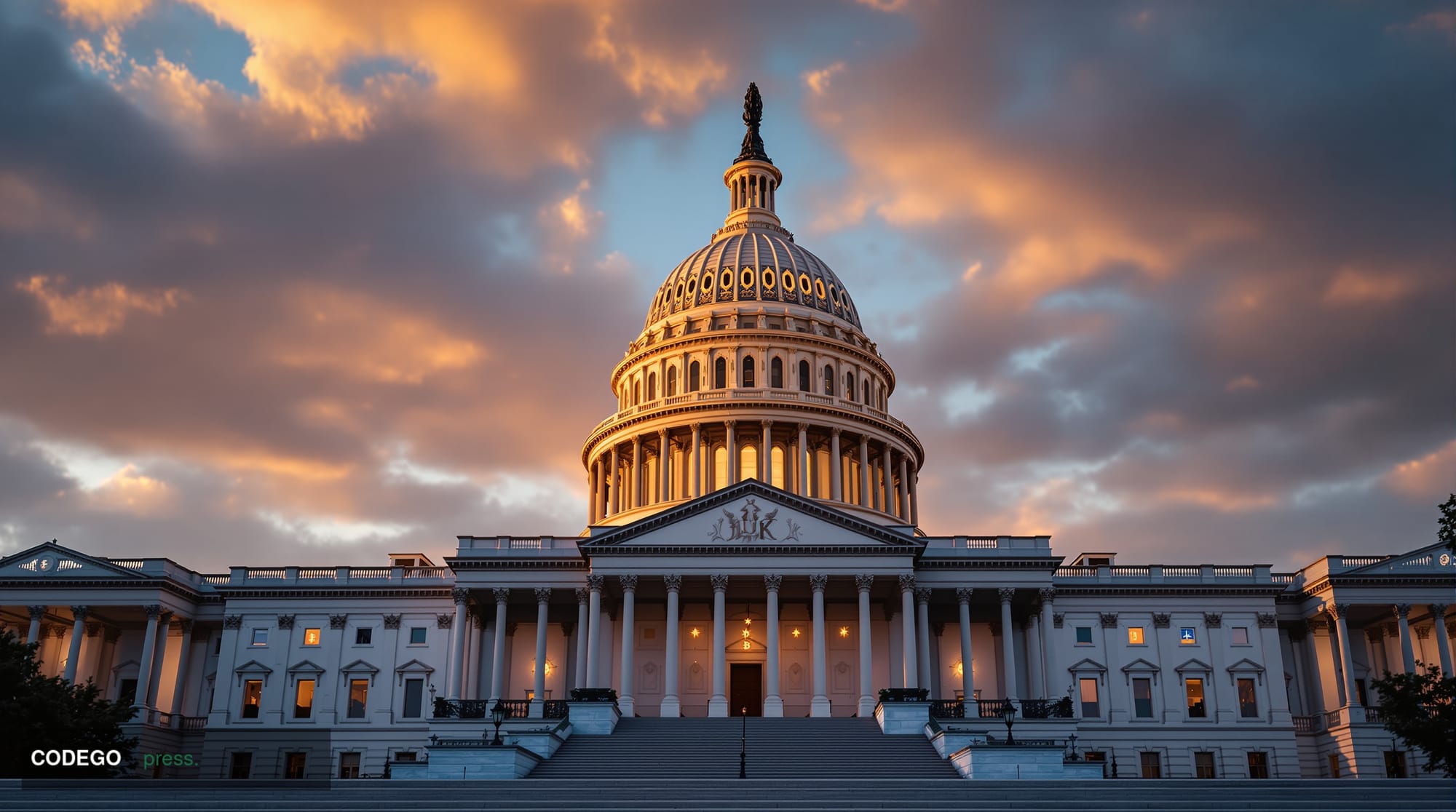
Congressional efforts to establish comprehensive cryptocurrency regulations through the proposed CLARITY Act face significant delays, with sources indicating the legislation is unlikely to meet its targeted July 4 passage deadline due to mounting logistical challenges on Capitol Hill.
The delay represents a critical setback for an industry that has long advocated for clear regulatory frameworks to guide digital asset operations in the United States. Industry stakeholders had pinned considerable hopes on the CLARITY Act as a vehicle to resolve years of regulatory ambiguity that has plagued the sector since Bitcoin's emergence over a decade ago.
The timing of this legislative bottleneck carries particular significance as global competitors accelerate their own digital asset regulatory initiatives. The European Central Bank has already implemented comprehensive frameworks under the Markets in Crypto-Assets regulation, while Asian jurisdictions including Singapore and Hong Kong have established clear operational guidelines for cryptocurrency businesses.
Congressional leadership faces complex scheduling pressures as lawmakers juggle multiple priority bills ahead of the traditional summer recess. The technical nature of cryptocurrency regulation requires extensive committee review and stakeholder input, processes that cannot be easily compressed into abbreviated legislative windows. Sources familiar with the legislative calendar suggest that meaningful progress on the CLARITY Act may not resume until the fall session.
The regulatory uncertainty continues to create operational challenges for major cryptocurrency platforms operating in the United States. Companies like Coinbase and other digital asset exchanges have repeatedly emphasized the need for clear guidelines to ensure compliance and foster innovation within existing legal frameworks.
Market analysts warn that prolonged regulatory ambiguity could accelerate the migration of cryptocurrency businesses to more accommodating jurisdictions. Several prominent blockchain projects have already relocated operations to countries with established digital asset regulations, citing regulatory clarity as a primary factor in their decision-making process.
The delay also affects institutional adoption patterns, as traditional financial institutions remain cautious about expanding cryptocurrency services without clear regulatory parameters. Major banks and investment firms have indicated that comprehensive federal guidance represents a prerequisite for broader digital asset integration into their service offerings.
Beyond immediate market implications, the legislative delay highlights broader challenges in adapting traditional regulatory frameworks to emerging technologies. The CLARITY Act represents one of the most ambitious attempts to codify cryptocurrency oversight at the federal level, requiring coordination between multiple agencies including the Securities and Exchange Commission and the Commodity Futures Trading Commission.
What this means for the cryptocurrency industry extends beyond simple timeline adjustments. The continued regulatory uncertainty reinforces the importance of proactive compliance strategies and may accelerate industry consolidation as smaller players struggle to navigate the complex legal landscape. For investors, the delay signals that market volatility related to regulatory announcements will likely persist through the remainder of 2026, requiring careful risk management approaches for digital asset portfolios.
Written by the editorial team — independent journalism powered by Codego Press.