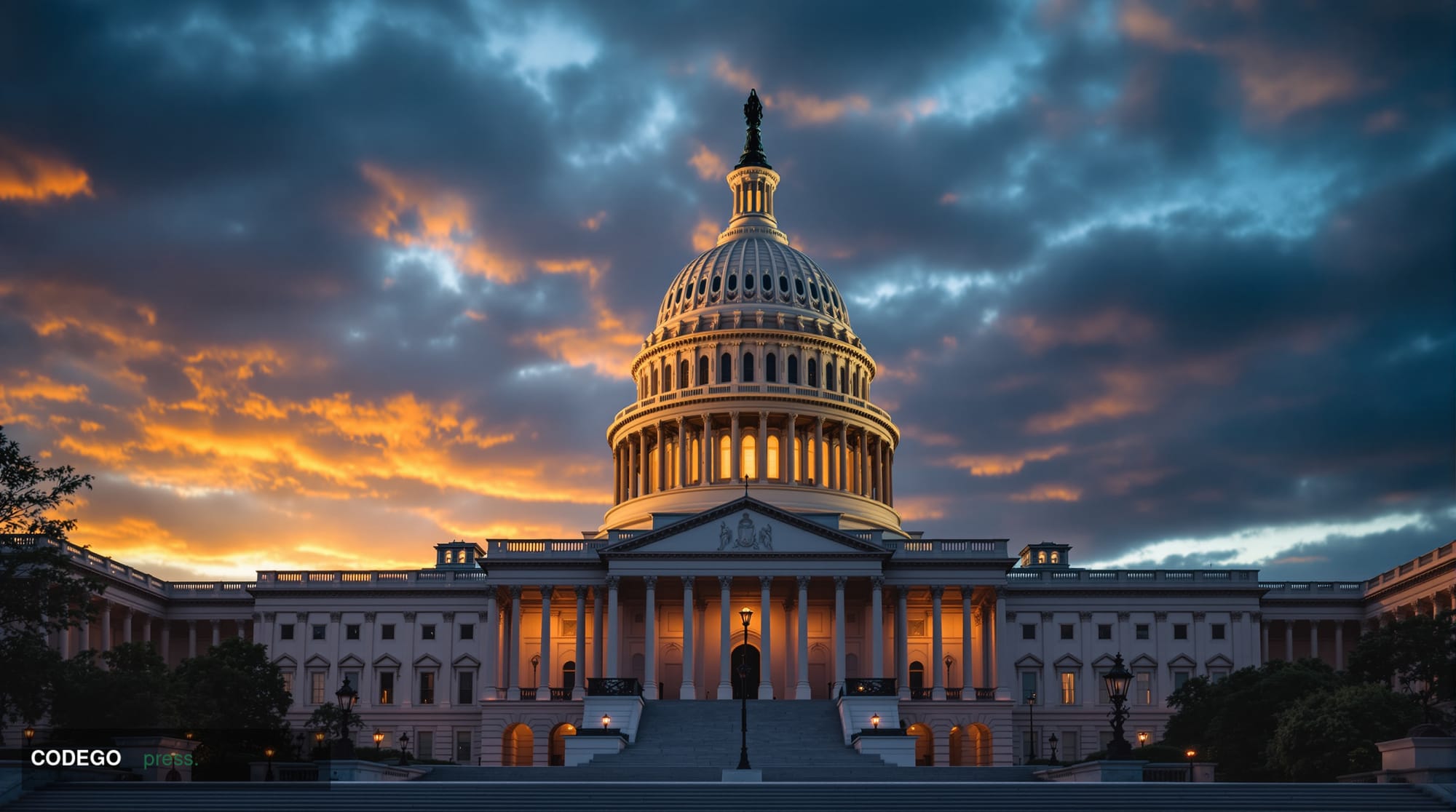
The United States Congress finds itself in a familiar yet critical position as lawmakers scramble to pass the CLARITY Act before the current legislative session expires. This pivotal cryptocurrency regulation bill represents perhaps the most significant opportunity in years to establish comprehensive regulatory frameworks for digital assets, with implications that extend far beyond the immediate crypto sector.
The legislation's primary objective centers on eliminating the regulatory ambiguity that has plagued the cryptocurrency industry for over a decade. Since Securities and Exchange Commission enforcement actions began targeting various crypto projects without clear statutory guidance, the industry has operated in a perpetual state of uncertainty. The CLARITY Act seeks to provide definitive classifications for different types of digital assets, establishing clear boundaries between securities and commodities while creating safe harbors for legitimate blockchain innovation.
Industry observers anticipate that passage of the CLARITY Act could unlock substantial institutional capital flows into cryptocurrency markets. Traditional financial institutions have largely remained on the sidelines, citing regulatory uncertainty as a primary barrier to meaningful crypto adoption. Major banks, insurance companies, and pension funds have repeatedly expressed interest in digital asset exposure but require clear regulatory frameworks before committing significant resources. The legislation's passage would likely trigger a wave of institutional investment that could fundamentally reshape market dynamics.
The tokenization sector stands to benefit particularly from regulatory clarity. Real estate, commodities, and traditional securities have all shown promise for blockchain-based tokenization, but regulatory uncertainty has constrained development. Clear guidelines would enable financial institutions to confidently explore tokenized products, potentially accelerating adoption across multiple asset classes. This could transform how ownership rights are transferred, managed, and traded in traditional markets.
Congressional leadership faces intense pressure from multiple stakeholders as the deadline approaches. The cryptocurrency industry has mobilized significant lobbying resources, while traditional financial institutions have also weighed in supporting clear regulatory frameworks. However, consumer advocacy groups continue to express concerns about investor protection measures, arguing that premature deregulation could expose retail investors to unnecessary risks.
The timing of this legislative push reflects broader political realities surrounding cryptocurrency regulation. Previous attempts to establish comprehensive crypto frameworks have foundered on partisan disagreements and jurisdictional disputes between regulatory agencies. The current window represents a rare moment of bipartisan consensus, driven partly by international competitive pressures as other jurisdictions advance their own digital asset regulations.
Should the CLARITY Act fail to pass before the congressional deadline, the cryptocurrency industry would face continued regulatory uncertainty that could persist for years. Market participants have already begun positioning for various scenarios, with some companies considering relocating operations to more crypto-friendly jurisdictions. The stakes extend beyond individual companies to broader questions about American competitiveness in emerging financial technologies.
The legislation's impact would likely extend to state-level regulations as well. Many states have developed their own cryptocurrency frameworks in the absence of federal guidance, creating a patchwork of conflicting requirements. Federal clarity could harmonize these disparate approaches while providing consistent standards for businesses operating across state lines. This regulatory harmonization could reduce compliance costs and encourage broader industry development.
What this means for the financial sector is profound. The CLARITY Act represents more than technical regulatory refinement; it signals potential mainstream acceptance of cryptocurrency as a legitimate asset class worthy of institutional involvement. Success could position the United States as a global leader in digital asset innovation, while failure might cede that leadership to more progressive jurisdictions. For institutional investors, clear regulations would enable sophisticated risk management and compliance frameworks that current ambiguity prohibits. The coming days will determine whether Congress can deliver the regulatory clarity that has eluded the cryptocurrency industry for more than a decade, setting the stage for either accelerated growth or continued uncertainty in this critical emerging sector.
Written by the editorial team — independent journalism powered by Codego Press.