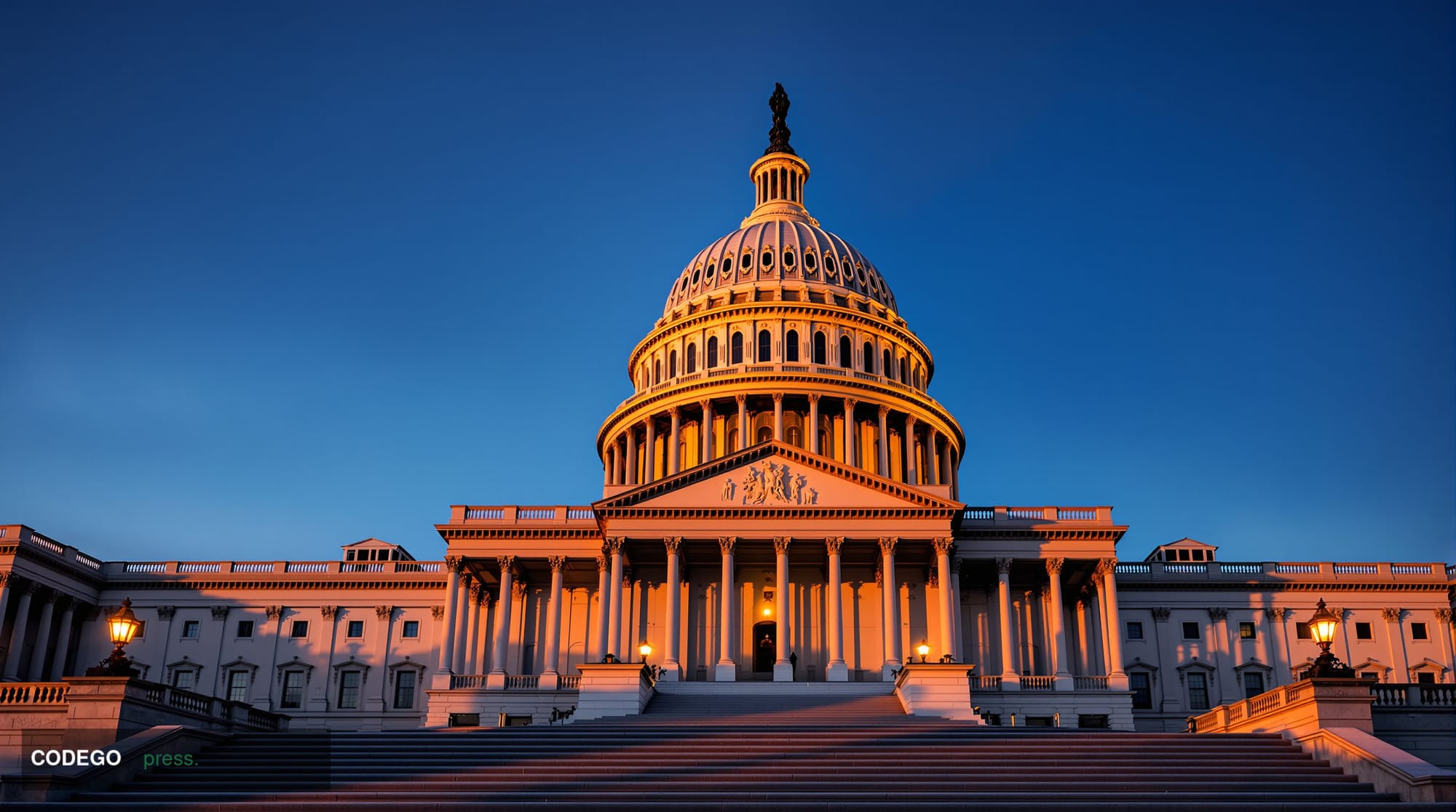
The United States cryptocurrency industry moved closer to long-awaited regulatory clarity as congressional leadership scheduled a markup session for the CLARITY Act on May 14. The legislative development represents a significant milestone in efforts to establish comprehensive digital asset frameworks that have languished in Washington for years.
Faryar Shirzad, chief policy officer at Coinbase, characterized the markup date as a "big step forward" and emphasized its critical importance for supporting innovation within American borders. His commentary underscores the cryptocurrency industry's sustained advocacy for regulatory certainty, which executives argue is essential for competitive positioning against international financial centers.
The CLARITY Act, championed by Senator Tim Scott and other congressional Republicans, seeks to address fundamental questions surrounding digital asset classification and oversight responsibilities between federal agencies. The legislation aims to resolve jurisdictional disputes between the Securities and Exchange Commission and the Commodity Futures Trading Commission that have created regulatory uncertainty for cryptocurrency businesses operating in the United States.
Congressional markup sessions represent a crucial procedural step where committee members review, debate, and potentially amend proposed legislation before advancing it to floor votes. The May 14 date signals that legislative leadership views cryptocurrency regulation as a priority agenda item, particularly as the industry continues expanding its footprint in traditional financial services.
Industry Stakes and Competitive Positioning
The regulatory clarity sought through the CLARITY Act carries significant implications for American competitiveness in global cryptocurrency markets. Industry leaders have consistently argued that unclear regulatory frameworks drive innovation and capital to jurisdictions with more defined digital asset policies, potentially undermining the United States' position as a global financial leader.
Shirzad's emphasis on innovation reflects broader industry concerns that regulatory uncertainty has constrained product development and market participation. Major cryptocurrency exchanges and financial services providers have faced operational challenges navigating conflicting guidance from federal regulators, creating compliance burdens that favor larger institutions with extensive legal resources.
The timing of the markup session coincides with increased congressional attention to cryptocurrency policy, driven partly by the industry's growing integration with traditional banking systems and institutional investment portfolios. Major financial institutions have allocated significant resources to digital asset capabilities, creating stakeholder pressure for regulatory frameworks that support market development while addressing consumer protection concerns.
Legislative Pathway and Implementation Challenges
While the markup represents procedural progress, the CLARITY Act faces numerous hurdles before potential enactment. Congressional dynamics, regulatory agency positions, and stakeholder feedback will influence the legislation's final form and prospects for passage. The markup process may reveal areas of bipartisan consensus as well as contentious provisions requiring further negotiation.
The cryptocurrency industry's advocacy efforts have intensified as regulatory uncertainty persists across multiple administrations and congressional sessions. Trade associations, individual companies, and investor groups have mounted coordinated campaigns emphasizing the economic importance of digital asset innovation for American technological leadership and financial system evolution.
The May 14 markup session represents a tangible outcome from these sustained advocacy efforts, providing industry stakeholders with their first substantive opportunity to observe congressional deliberations on comprehensive cryptocurrency legislation. The proceedings will likely generate significant attention from market participants seeking insights into regulatory trajectory and implementation timelines.
Congressional action on the CLARITY Act reflects the maturation of cryptocurrency policy discussions beyond enforcement actions and regulatory guidance toward comprehensive legislative frameworks. The markup session's outcome will provide crucial indicators for industry planning and investment decisions, particularly as companies evaluate expansion strategies and compliance infrastructure requirements in an evolving regulatory environment.
Written by the editorial team — independent journalism powered by Codego Press.