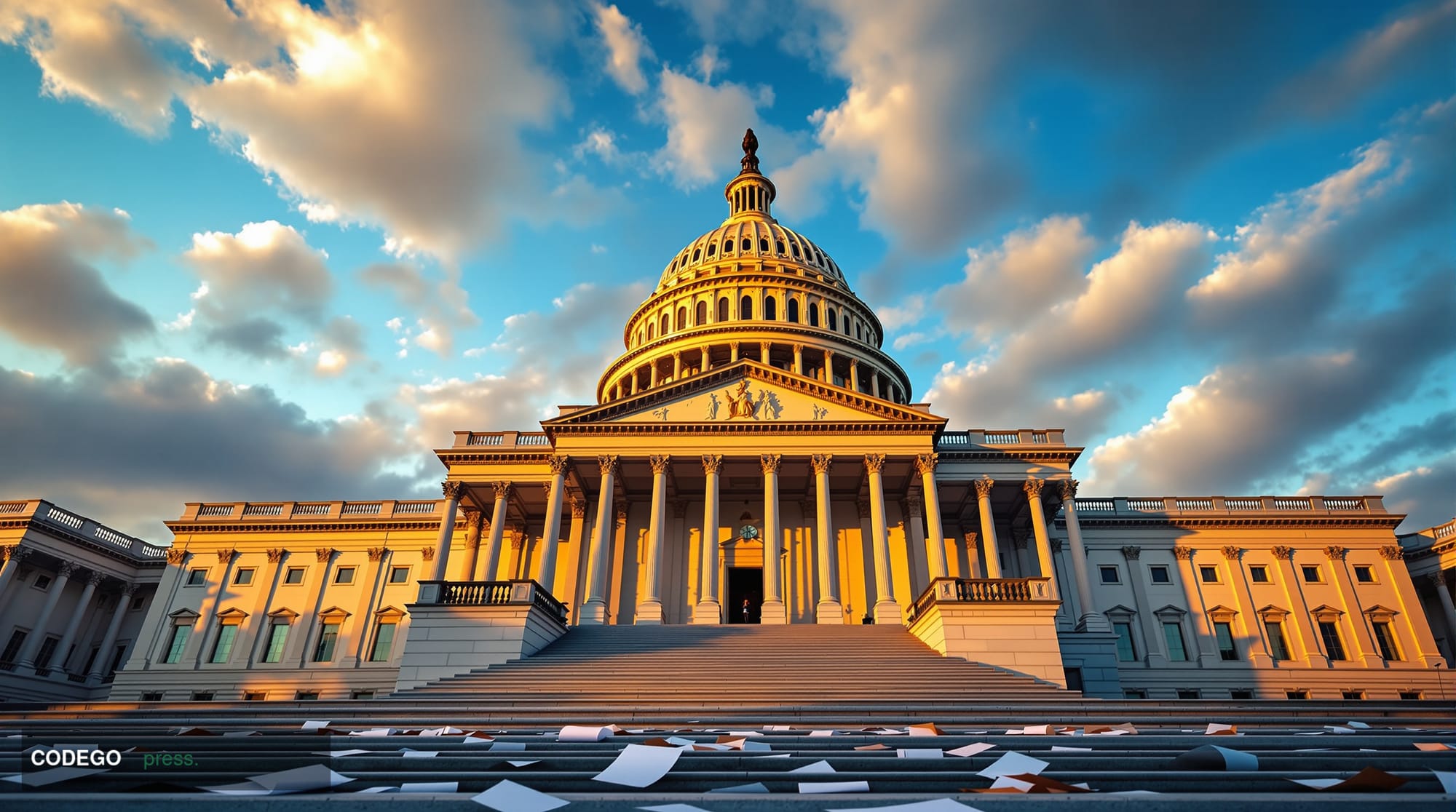
The cryptocurrency industry's most anticipated regulatory framework faces mounting obstacles in the Senate, as the Clarity Act encounters two significant hurdles that threaten to derail its progress before the summer legislative recess. With political tensions escalating and time running short, the bill's supporters confront a narrowing window to secure the crucial 60 votes needed for passage.
The legislation hit its first major snag when a carefully negotiated ethics agreement collapsed on Tuesday, according to sources familiar with the discussions. The breakdown represents a significant setback for proponents who had worked for months to address concerns about potential conflicts of interest among lawmakers with cryptocurrency holdings. The ethics framework was considered essential for building bipartisan support and ensuring the bill's credibility in addressing digital asset regulation.
Simultaneously, law enforcement agencies continue to voice substantive concerns about the proposed regulatory structure, creating a second formidable barrier to the bill's advancement. These objections from federal and state law enforcement groups center on provisions that could potentially complicate investigations into cryptocurrency-related crimes and money laundering operations. The persistent opposition from this influential constituency has complicated efforts to build the broad coalition necessary for Senate passage.
The timing pressure intensifies these challenges considerably. With only 31 session days remaining before the August recess, legislative leaders face a compressed timeline that leaves little room for extensive negotiations or compromise. The Senate's procedural requirements mean that even minor delays could push consideration of the Clarity Act into the fall session, when competing priorities and election-year dynamics may further complicate passage prospects.
Regulatory Uncertainty Persists
The current impasse highlights the broader challenges facing cryptocurrency regulation in the United States. Industry participants have long sought clear regulatory guidelines to replace the current patchwork of state and federal oversight mechanisms. The Clarity Act was designed to provide comprehensive frameworks for digital asset classification, trading protocols, and compliance requirements that would offer certainty to both traditional financial institutions and cryptocurrency-native companies.
For institutional investors and traditional financial services providers, regulatory clarity remains a prerequisite for deeper cryptocurrency engagement. Major banks and investment firms have consistently cited regulatory uncertainty as a primary constraint on their digital asset strategies. The potential delay or failure of the Clarity Act could extend this period of uncertainty, potentially affecting institutional adoption timelines and market development.
The collapsed ethics agreement particularly complicates the political dynamics surrounding the legislation. Senate ethics rules require careful navigation when lawmakers hold financial interests in sectors they regulate, and cryptocurrency presents unique challenges given its volatile nature and the potential for significant personal financial gains. The failure to establish clear ethical boundaries may deter some senators from supporting the bill, regardless of its policy merits.
Law enforcement concerns add another layer of complexity to the legislative calculus. Federal agencies including the Federal Bureau of Investigation and state attorneys general have expressed reservations about provisions that could limit their investigative capabilities in cryptocurrency-related cases. These objections carry significant weight in Senate deliberations, particularly among members who prioritize public safety and financial crime prevention.
The 60-vote threshold required for Senate passage under current procedural rules means that supporters must build a substantial bipartisan coalition. With political polarization affecting many policy areas, cryptocurrency regulation represents one of the few issues where bipartisan cooperation seemed achievable. However, the current hurdles suggest that even this relatively technocratic policy area faces the same partisan and procedural challenges that have stalled other legislative priorities.
The outcome of these Senate deliberations will likely influence cryptocurrency regulation for years to come. If the Clarity Act fails to advance before the August recess, the changing political landscape following the upcoming elections could reshape the legislative environment entirely. New congressional leadership and shifting party priorities could alter the prospects for comprehensive cryptocurrency regulation, potentially requiring industry participants to adapt to prolonged regulatory uncertainty while continuing to navigate the existing complex regulatory environment.
Written by the editorial team — independent journalism powered by Codego Press.