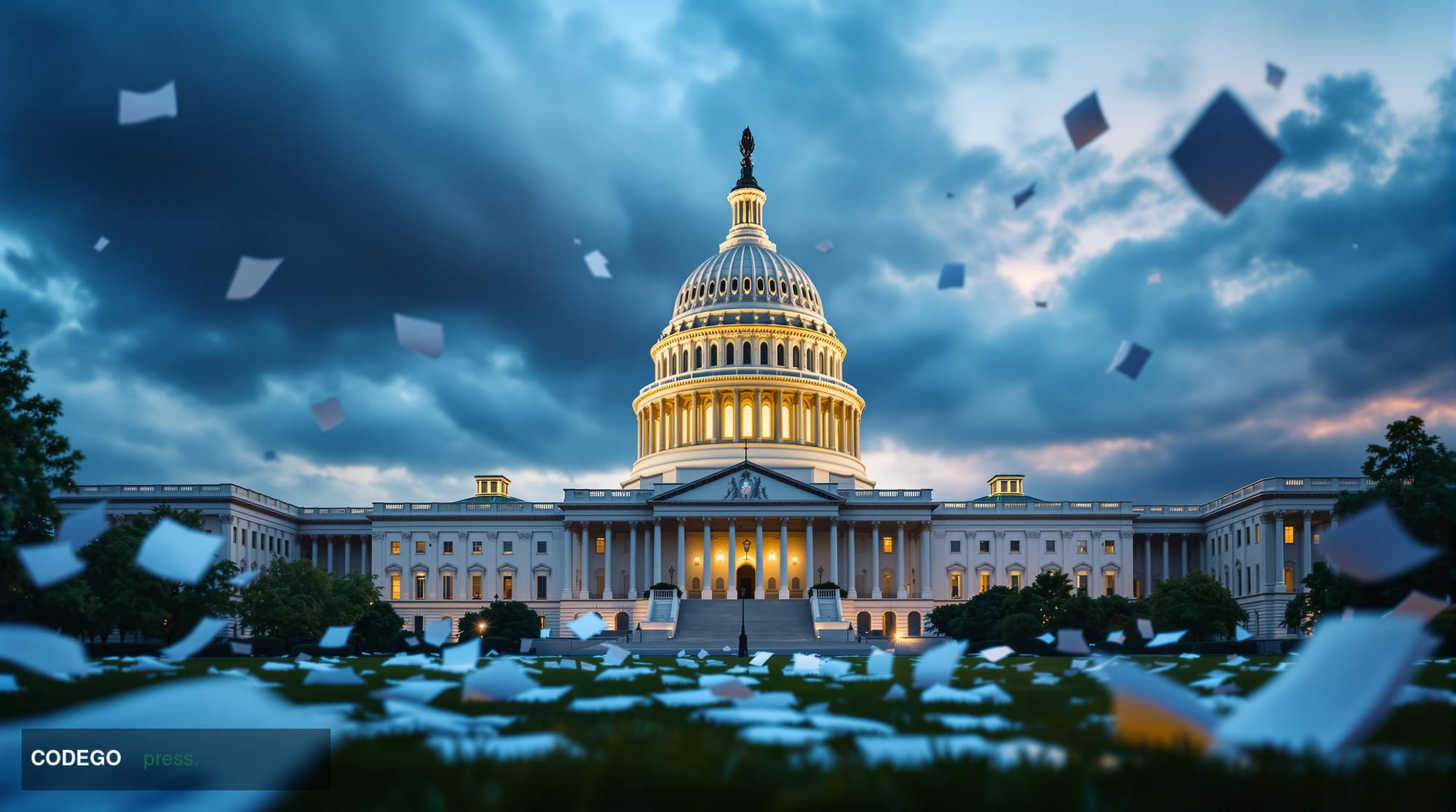
The cryptocurrency industry's hopes for regulatory clarity have been dashed as the landmark CLARITY Act missed its July 4 deadline following the complete breakdown of congressional negotiations. The legislative setback represents a significant blow to digital asset markets that had been anticipating comprehensive federal guidance after years of regulatory uncertainty.
The failure to meet the Independence Day target stems from what sources describe as a "dual crisis" that has paralyzed the legislative process. Ethics concerns have emerged as a major stumbling block, intertwining with disputes over Section 604 provisions to create an impasse that negotiators have been unable to resolve despite intensive discussions in recent weeks.
The CLARITY Act, formally known as the Cryptocurrency Legal and Regulatory Innovation Technology Yield Act, had been positioned as the most comprehensive attempt to establish federal oversight standards for digital assets. The legislation aimed to provide definitive classification guidelines for various cryptocurrency types, establish clear custody requirements for institutional players, and create streamlined compliance pathways for blockchain-based financial services.
Industry stakeholders had viewed the July 4 deadline as symbolically important, representing regulatory independence for the burgeoning digital asset sector. Major cryptocurrency exchanges, including Coinbase and other leading platforms, had already begun implementing preliminary compliance frameworks in anticipation of the new regulatory structure.
The collapse of Section 604 negotiations appears particularly damaging to the legislative timeline. While the specific details of these provisions remain confidential, Section 604 was understood to address cross-border cryptocurrency transactions and international regulatory coordination mechanisms. The inability to reach consensus on these provisions suggests fundamental disagreements about how American digital asset policies should interact with global regulatory frameworks.
Ethics-related complications have added another layer of complexity to an already challenging legislative process. Congressional ethics rules governing cryptocurrency holdings and potential conflicts of interest among lawmakers have reportedly become entangled with the substantive policy negotiations, creating procedural hurdles that have proven difficult to navigate.
The regulatory vacuum continues to present challenges for institutional adoption of digital assets. Without clear federal guidelines, financial institutions remain hesitant to fully embrace cryptocurrency services, limiting mainstream adoption despite growing investor interest. The Securities and Exchange Commission has maintained its enforcement-focused approach in the absence of comprehensive legislation, creating ongoing uncertainty for market participants.
Market observers note that the missed deadline could push meaningful cryptocurrency regulation well into 2027, as congressional calendars typically become constrained during election cycles. The delay may force regulators to rely on existing enforcement mechanisms and ad-hoc guidance rather than the comprehensive framework the CLARITY Act was designed to provide.
The legislative setback underscores the complex political dynamics surrounding cryptocurrency regulation, where technical policy considerations intersect with broader questions about financial oversight, consumer protection, and American competitiveness in emerging technologies. As negotiations remain stalled, the industry faces continued uncertainty about the regulatory landscape that will ultimately govern digital asset markets.
Written by the editorial team — independent journalism powered by Codego Press.