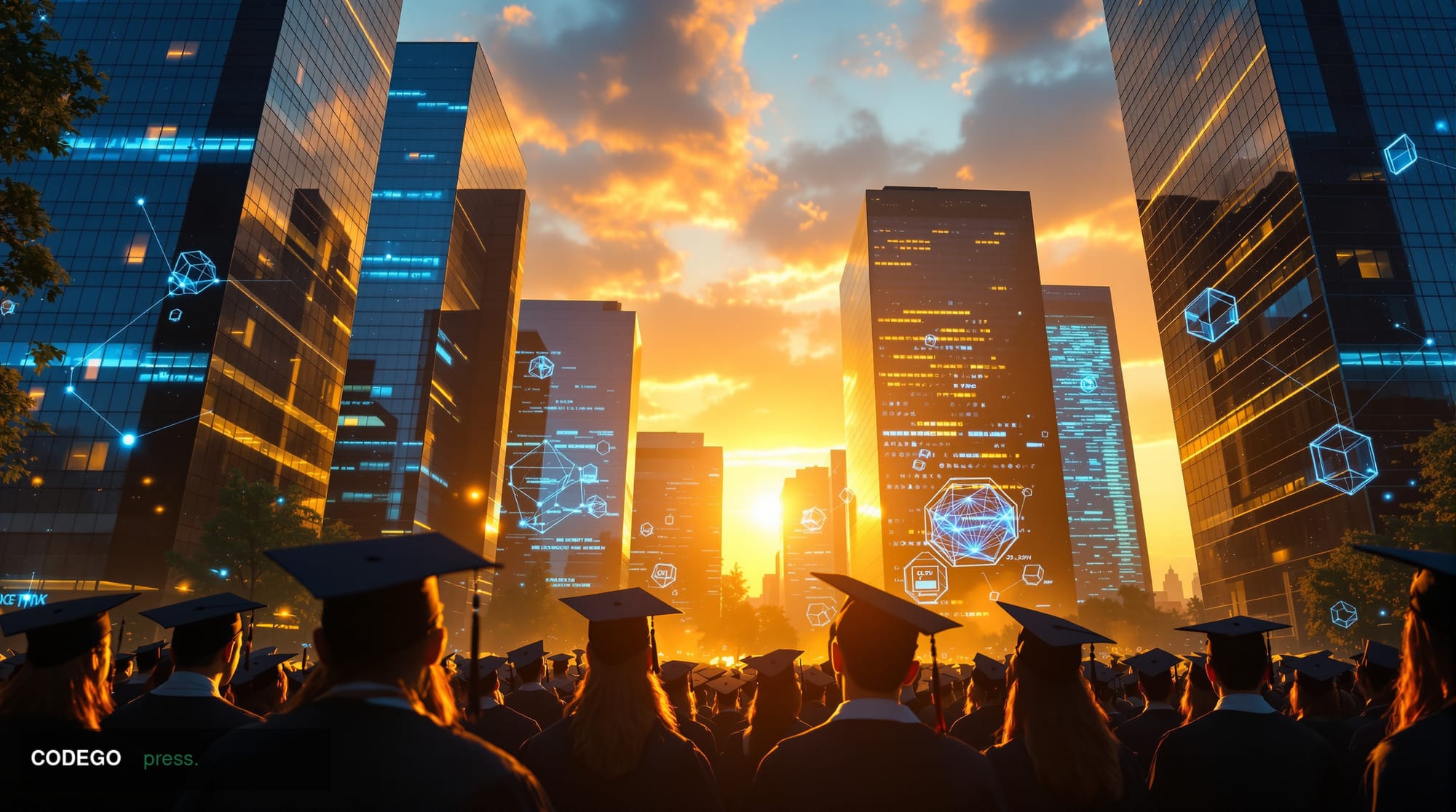
The Class of 2026 faces an unprecedented contradiction as they prepare to enter the workforce: while 80% of college seniors believe artificial intelligence is eliminating entry-level positions, these same graduates expect AI to boost their earning potential and provide them with superior skills compared to their future managers. This paradox, revealed in a comprehensive survey conducted by 11x, highlights the complex relationship between technological advancement and career prospects in an increasingly automated economy.
The survey findings expose a fundamental tension in how soon-to-be graduates perceive their professional futures. Despite widespread acknowledgment that AI is reducing the availability of traditional entry-level roles, graduating seniors maintain optimistic salary expectations and express confidence in their technological capabilities. This disconnect suggests either remarkable resilience in the face of market headwinds or a potential miscalculation of AI's impact on career trajectories.
The data points to a generational shift in workforce dynamics that extends beyond simple job displacement. These graduates anticipate entering a labor market where traditional career ladders have been disrupted, yet they believe their AI proficiency will command premium compensation. This confidence may reflect genuine advantages in digital literacy, as younger workers often demonstrate superior comfort with emerging technologies compared to established professionals who learned their skills in pre-AI environments.
However, the survey results raise critical questions about market realities versus graduate expectations. If entry-level positions are indeed becoming scarce due to automation, the traditional pathway from college to career faces fundamental restructuring. Companies may need to reimagine how they identify, recruit, and develop talent when conventional junior roles no longer exist in sufficient numbers to accommodate graduating classes.
The expectation of higher salaries despite fewer available positions suggests graduates believe they can bypass traditional entry-level compensation structures. This assumption relies heavily on the premise that AI skills command immediate market premiums, even among workers with limited professional experience. While technical proficiency certainly holds value, the gap between graduate expectations and employer willingness to pay premium rates for unproven talent may prove significant.
The claim that graduates possess stronger AI skills than their potential managers represents another layer of this complex dynamic. If accurate, this technological generation gap could reshape organizational hierarchies and decision-making processes. Companies may find themselves navigating situations where junior employees possess superior technical capabilities while lacking the business judgment and industry experience that comes with tenure.
Financial institutions and fintech companies will likely feel these tensions acutely, as they rely heavily on both entry-level talent pipelines and cutting-edge technology adoption. Traditional recruitment models, internship programs, and management training initiatives may require substantial revision to accommodate a workforce that expects immediate access to advanced roles and compensation levels typically reserved for experienced professionals.
This survey data indicates that the Class of 2026 represents a pivotal moment in workforce evolution. Their simultaneous recognition of AI-driven job displacement and expectation of AI-enabled prosperity suggests either remarkable adaptability or a fundamental misunderstanding of market dynamics. The resolution of this paradox will significantly influence how businesses structure their talent acquisition strategies and how educational institutions prepare students for an increasingly automated economy. The coming months will reveal whether graduate confidence translates into market success or whether reality forces a recalibration of expectations across the entire employment ecosystem.
Written by the editorial team — independent journalism powered by Codego Press.