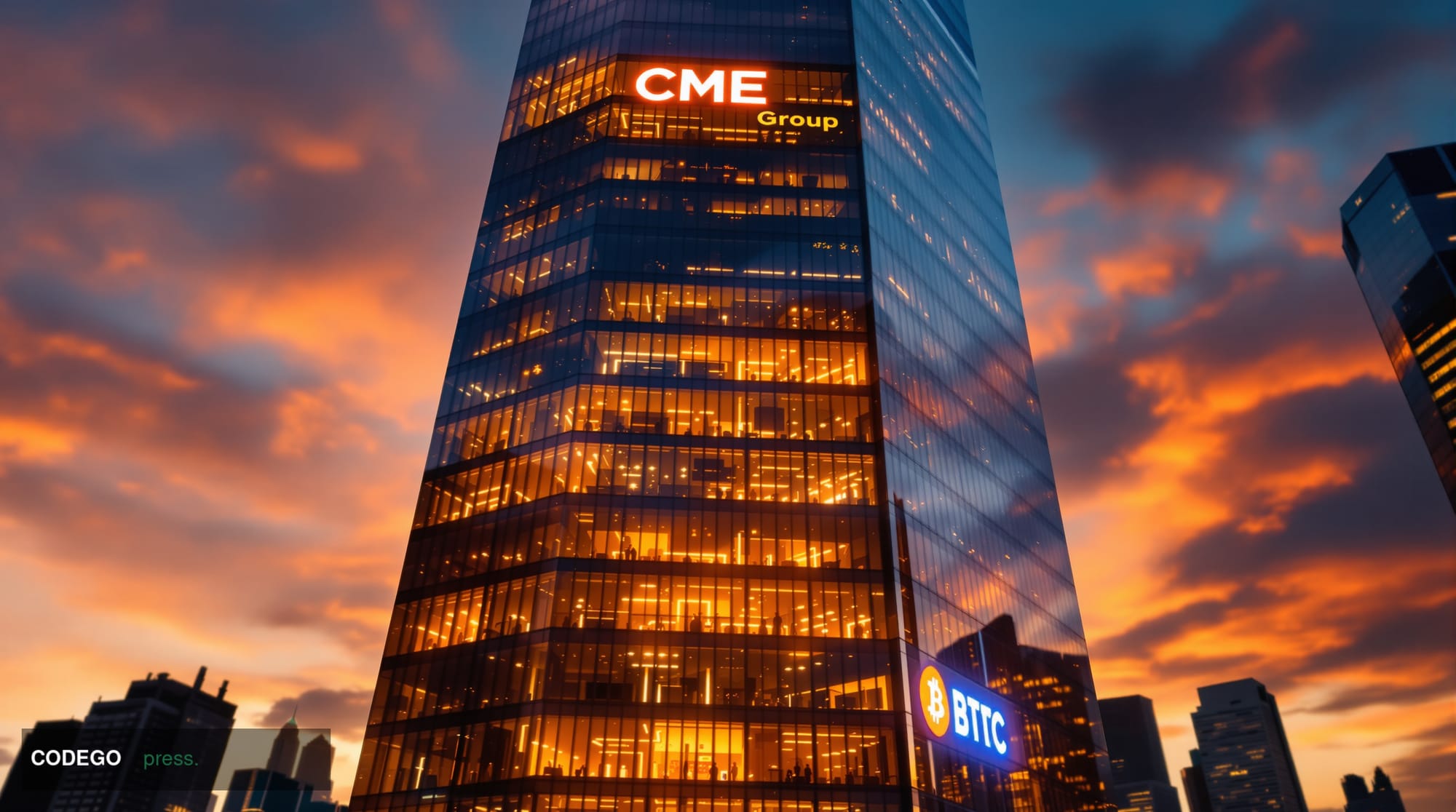
The era of Bitcoin weekend gaps is officially ending as CME Group prepares to launch continuous 24/7 trading for cryptocurrency futures and options starting Friday, May 29 at 4:02 p.m. Central Time. This landmark shift represents one of the most significant structural changes to institutional Bitcoin trading since the exchange first introduced Bitcoin futures in 2017.
The move to round-the-clock trading on CME's Globex and ClearPort platforms will eliminate the weekend market gaps that have become a defining characteristic of Bitcoin price action. These gaps, occurring when CME futures markets closed for weekends while spot cryptocurrency markets continued trading globally, created systematic price discrepancies that traders have exploited for years. The phenomenon became so predictable that entire trading strategies developed around anticipating and capitalizing on Monday morning gap fills.
Institutional Infrastructure Maturation
CME's decision to implement continuous cryptocurrency trading reflects the growing institutional acceptance and infrastructure demands surrounding digital assets. The exchange's crypto futures and options suite will now operate with only brief daily two-minute maintenance windows, aligning more closely with the always-on nature of underlying cryptocurrency spot markets. This represents a fundamental acknowledgment that digital assets require different market structure approaches than traditional commodities.
The timing of this transition coincides with increasing institutional adoption of cryptocurrency as a legitimate asset class. Major corporations, investment funds, and financial institutions have progressively integrated Bitcoin into their portfolios and trading strategies, creating demand for more sophisticated and continuously available derivative instruments. The weekend gap phenomenon increasingly represented an anachronistic friction in what institutions expected to be seamless 24/7 market access.
Trading Strategy Evolution
The elimination of weekend gaps will fundamentally alter cryptocurrency trading dynamics across both institutional and retail segments. Quantitative trading firms and algorithmic strategies that relied on gap-based arbitrage opportunities will need to adapt their models to account for continuous price discovery. Simultaneously, risk management frameworks will require updates as the traditional weekend respite from market volatility disappears.
Market makers and liquidity providers should benefit from the expanded trading hours, as continuous operation allows for more consistent spread capture and reduced inventory risk. The previous weekend closures often left substantial positions exposed to cryptocurrency spot market movements without corresponding futures hedge adjustments, creating unwanted basis risk for sophisticated trading operations.
Global Market Integration
This transition positions CME more competitively against other cryptocurrency derivatives platforms that already operate continuously. Exchanges such as Binance and other crypto-native platforms have maintained 24/7 operations since their inception, creating competitive pressure on traditional financial infrastructure providers to match their availability. CME's move represents institutional finance adapting to cryptocurrency market norms rather than forcing digital assets to conform to legacy trading schedules.
The continuous trading implementation also acknowledges cryptocurrency's global nature, where significant price-moving events can occur at any hour across different time zones. Major announcements, regulatory developments, or macroeconomic shifts affecting digital assets don't observe traditional market hours, making continuous derivative trading increasingly essential for proper risk management and price discovery.
Beyond immediate trading implications, this shift signals broader acceptance of cryptocurrency as a distinct asset class requiring specialized market infrastructure. As digital assets continue integrating into traditional finance, expect additional structural adaptations that recognize their unique characteristics while maintaining institutional-grade regulatory compliance and risk management standards.
Written by the editorial team — independent journalism powered by Codego Press.