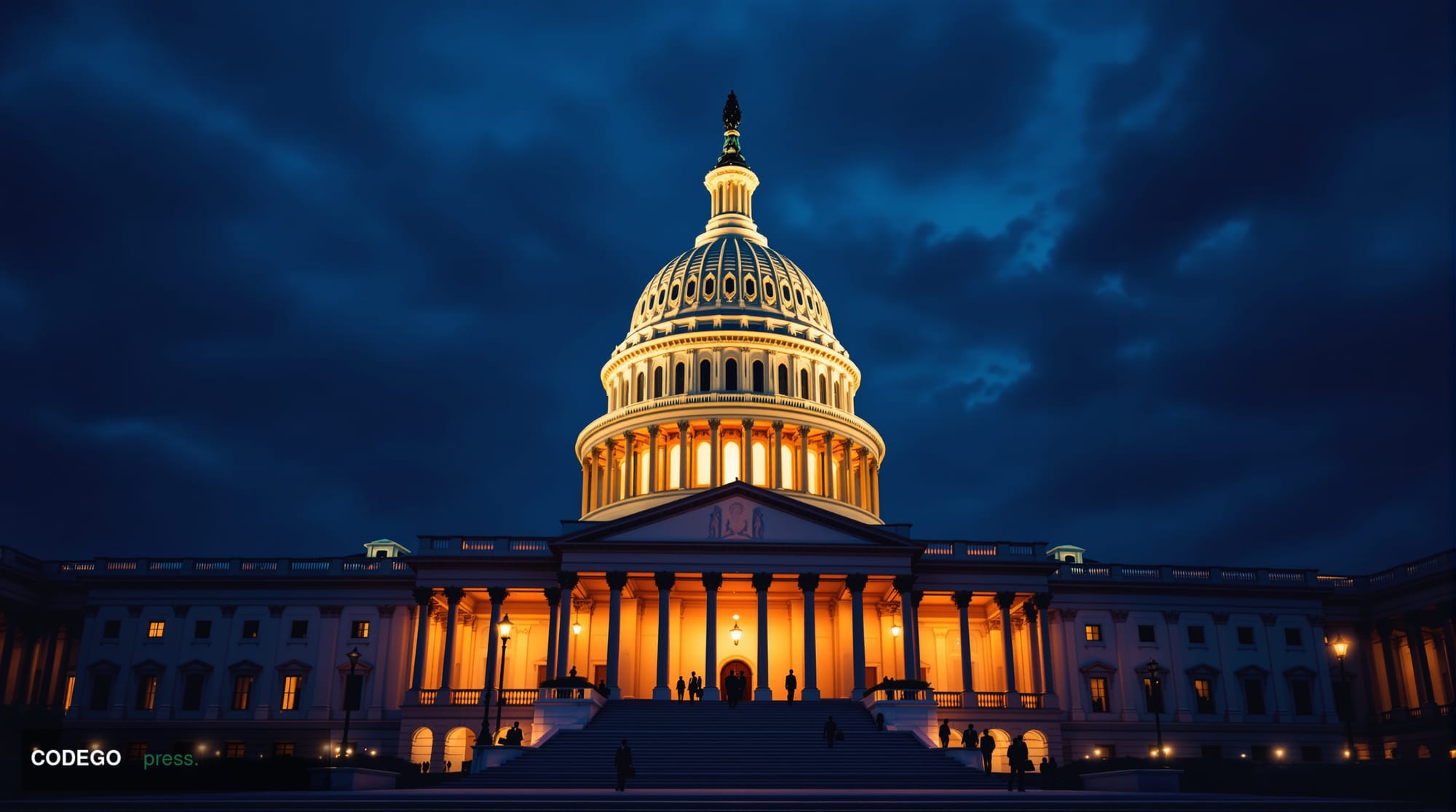
The United States Congress is poised to make history this week as lawmakers prepare to deliberate the nation's first comprehensive cryptocurrency tax legislation. Seven groundbreaking bills addressing digital asset taxation will face congressional scrutiny during a House hearing scheduled for Tuesday, marking a watershed moment for the crypto industry's regulatory landscape.
This development represents the culmination of years of lobbying efforts by crypto advocates and reflects the growing recognition among policymakers that digital assets require specialized tax treatment. The legislative package signals Congress's acknowledgment that traditional tax frameworks may be inadequate for addressing the unique characteristics of cryptocurrency transactions and holdings.
The timing of these bills comes as the crypto industry has matured significantly, with institutional adoption reaching unprecedented levels and digital assets becoming increasingly integrated into mainstream financial systems. Major corporations now hold Bitcoin on their balance sheets, while financial institutions offer crypto custody services to retail and institutional clients alike. This evolution has created urgent pressure on lawmakers to provide clarity on tax obligations that have long remained ambiguous.
The introduction of these seven bills suggests that congressional leadership recognizes the need for comprehensive reform rather than piecemeal solutions. While specific details of the proposed legislation remain to be disclosed during Tuesday's hearing, the coordinated approach indicates a serious commitment to addressing the complex intersection of cryptocurrency innovation and tax policy.
For crypto investors and businesses, this legislative moment carries profound implications. Current tax treatment of digital assets often forces taxpayers to navigate unclear guidance, leading to compliance challenges and potential disputes with the Internal Revenue Service. The proposed bills could provide much-needed certainty for millions of Americans who hold or transact in cryptocurrencies.
The crypto industry has long argued that existing tax rules create unfair burdens and stifle innovation. Current regulations require investors to track the cost basis of every cryptocurrency transaction, making simple purchases potentially complex tax events. Many advocates hope the new legislation will address these practical challenges while maintaining appropriate oversight and revenue collection.
Congressional Momentum Builds
The fact that these bills have reached the deliberation stage represents a significant shift in congressional attitudes toward digital assets. Previous attempts to address crypto taxation often stalled in committee or faced resistance from leadership skeptical of the technology's legitimacy. The current legislative package suggests that crypto has gained sufficient mainstream acceptance to warrant serious policy consideration.
Tuesday's hearing will likely attract significant attention from industry stakeholders, tax professionals, and crypto enthusiasts who have awaited regulatory clarity for years. The proceedings could set the tone for how Congress approaches digital asset regulation more broadly, potentially influencing future legislation on crypto custody, trading platforms, and central bank digital currencies.
The outcome of this legislative process will reverberate far beyond Washington. Clear tax rules could encourage greater institutional participation in crypto markets, while burdensome regulations might drive innovation offshore. The stakes are particularly high given the global competition for crypto industry leadership, with other jurisdictions actively courting blockchain companies and digital asset firms.
As Congress prepares to tackle these complex issues, the crypto community watches with anticipation. The seven bills represent not just potential policy changes, but a recognition that digital assets have become a permanent fixture of the financial landscape deserving of thoughtful, specialized legislation. The coming days will reveal whether lawmakers can craft policies that balance innovation encouragement with appropriate regulatory oversight.
Written by the editorial team — independent journalism powered by Codego Press.