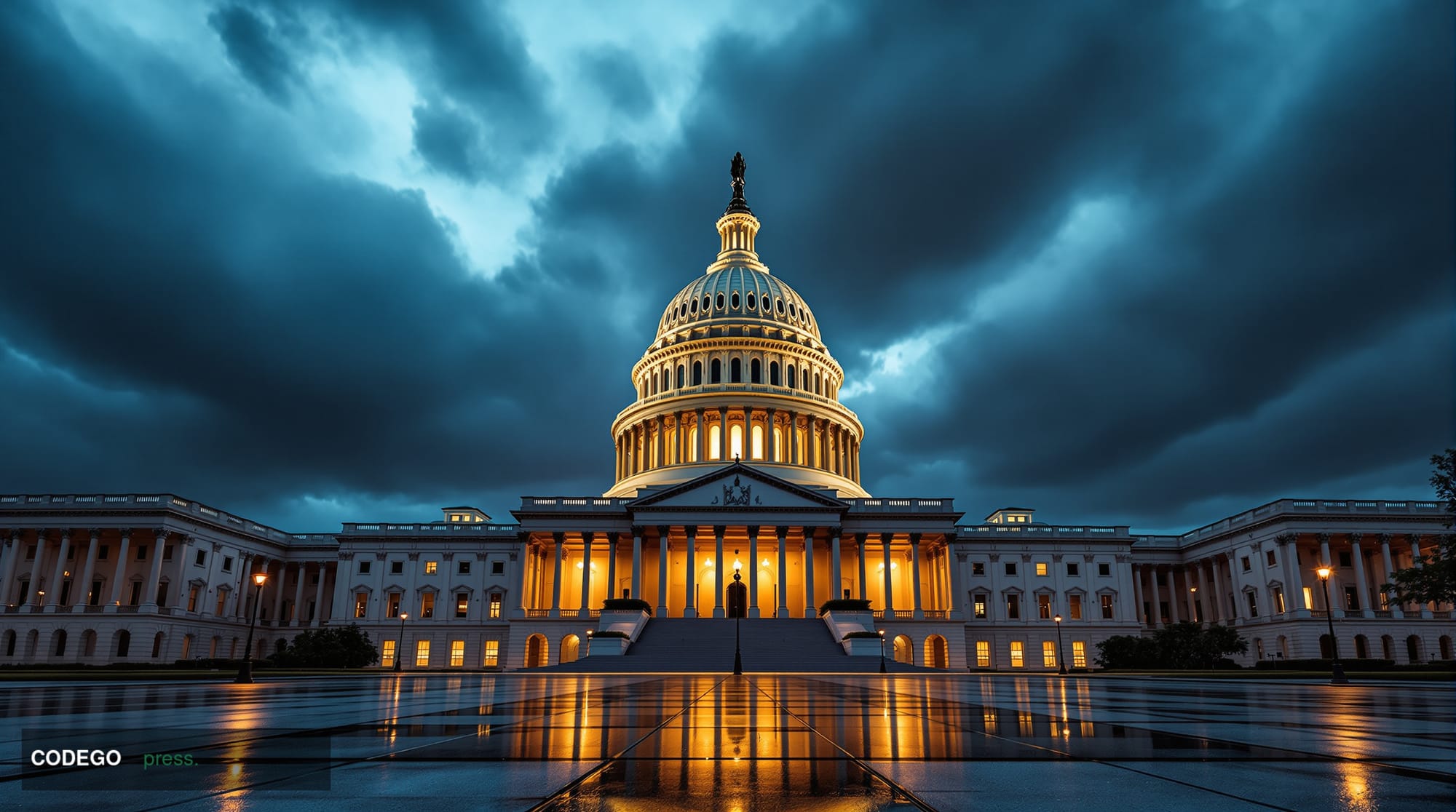
Congressional investigators have launched a formal probe into allegations of insider trading surrounding Iran-related military action on two prominent prediction market platforms, Polymarket and Kalshi. The investigation marks a significant escalation in regulatory scrutiny of the rapidly growing prediction market sector, where traders bet on real-world events ranging from election outcomes to geopolitical developments.
The probe centers on suspicious trading patterns that preceded Iran strike events, raising questions about whether individuals with privileged access to classified information or advance intelligence may have exploited prediction markets for financial gain. Such allegations strike at the heart of market integrity concerns that have long shadowed the intersection of geopolitical events and financial speculation.
Prediction markets have emerged as increasingly sophisticated financial instruments, attracting both retail investors seeking to monetize their political and geopolitical insights and institutional players looking for alternative data sources. However, the unique nature of these platforms—where outcomes depend on real-world events rather than traditional financial metrics—creates novel regulatory challenges that existing frameworks struggle to address.
The congressional investigation could fundamentally reshape how prediction markets operate, particularly regarding geopolitical events where information asymmetries pose significant risks to market fairness. Unlike traditional securities markets where insider trading rules have been refined over decades, prediction markets occupy a regulatory gray area where the boundaries between legitimate analysis and prohibited insider knowledge remain poorly defined.
Both Polymarket and Kalshi have positioned themselves as legitimate financial platforms offering innovative ways to hedge against political and economic risks. Polymarket operates on blockchain technology, allowing global participation in event-based contracts, while Kalshi has pursued a more traditional regulatory approach, securing approval from the Commodity Futures Trading Commission for its event contracts. The investigation threatens to undermine the credibility both platforms have worked to establish in the mainstream financial ecosystem.
The timing of this congressional scrutiny reflects growing bipartisan concern about the potential for prediction markets to be manipulated by bad actors with access to non-public information. National security implications add another layer of complexity, as trading patterns on these platforms could potentially reveal sensitive intelligence gathering or military planning activities to hostile actors.
Industry observers note that stricter regulations could significantly impact how prediction markets function, potentially requiring enhanced surveillance systems, stricter customer identification procedures, and clearer prohibitions on certain categories of participants. Such measures might improve market integrity but could also reduce liquidity and limit the platforms' utility as information aggregation mechanisms.
The investigation's outcome will likely establish important precedents for the broader prediction market industry, which has attracted hundreds of millions of dollars in trading volume and investment capital. Regulatory clarity, while potentially constraining some current practices, could ultimately provide the legitimacy these platforms need to achieve mainstream adoption in institutional portfolios and risk management strategies.
Written by the editorial team — independent journalism powered by Codego Press.