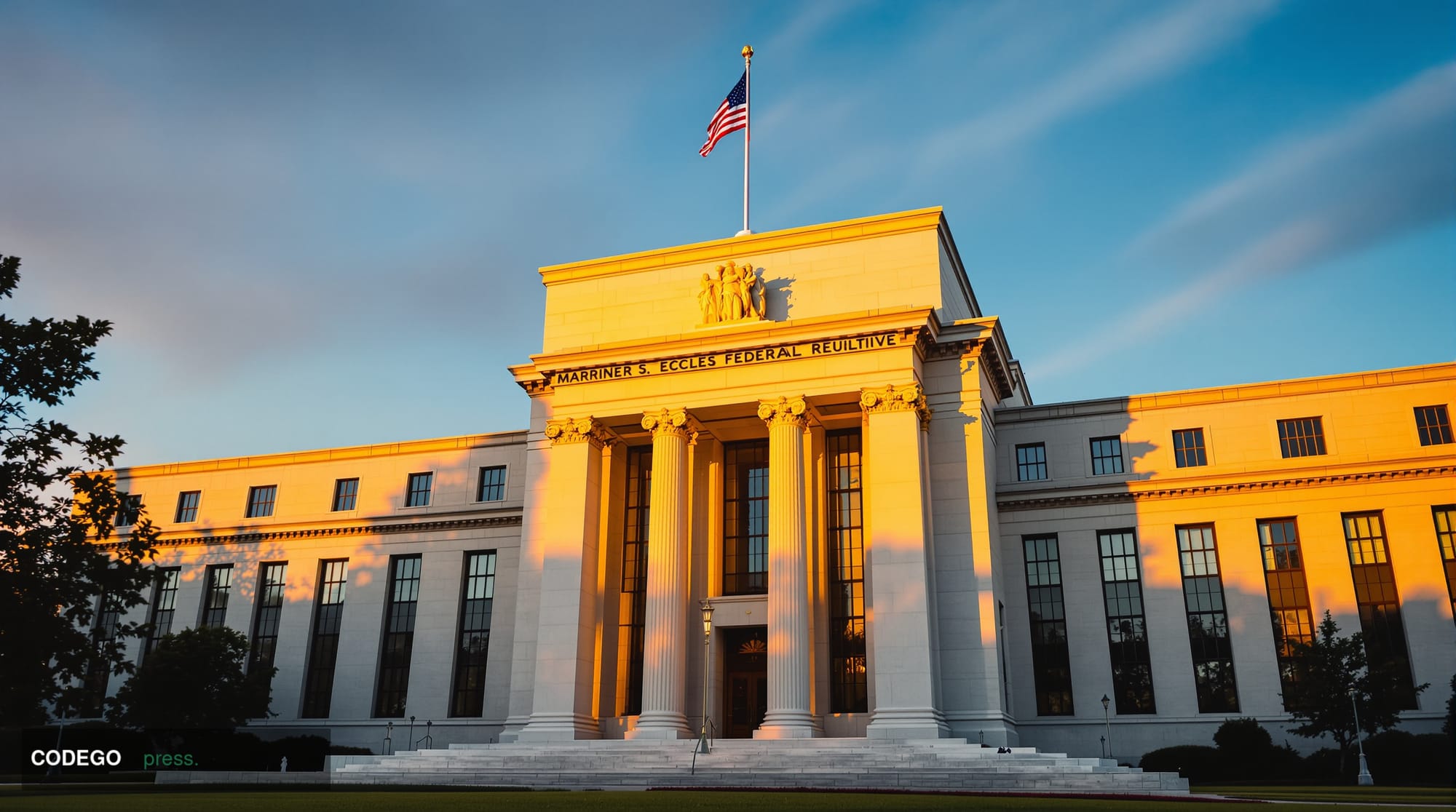
The Federal Reserve entered a new era Wednesday with the confirmation of Kevin Warsh as its chair, marking a significant leadership transition that could reshape America's approach to digital assets and monetary policy. Warsh, selected by President Donald Trump to replace Jerome Powell, brings a notably crypto-friendly perspective to the nation's central banking helm at a time when digital currencies are increasingly intertwined with mainstream finance.
The confirmation represents more than a simple changing of the guard at the Fed. Warsh's appointment signals a potential pivot in how America's central bank approaches the rapidly evolving cryptocurrency landscape. Unlike his predecessor, who maintained a cautious stance toward digital assets throughout his tenure, Warsh has previously expressed more accommodating views toward blockchain technology and cryptocurrency innovation.
This leadership change arrives at a critical juncture for both monetary policy and digital asset regulation. The Federal Reserve has been grappling with questions surrounding central bank digital currencies, stablecoin oversight, and the broader integration of cryptocurrency markets into traditional financial systems. Warsh's crypto-friendly reputation suggests these deliberations may take on a more innovation-forward trajectory under his leadership.
The timing of this transition carries particular significance for financial markets that have grown increasingly sensitive to regulatory signals from Washington. Cryptocurrency markets, which have historically reacted sharply to Federal Reserve pronouncements and policy shifts, now face the prospect of leadership that may prove more receptive to digital asset integration within the broader monetary framework.
Warsh brings substantial Federal Reserve experience to his new role, having previously served on the Fed's Board of Governors from 2006 to 2011. During that earlier tenure, he navigated the complexities of the 2008 financial crisis and its aftermath, gaining firsthand experience with unconventional monetary policy tools and financial system stress testing. This background positions him to understand both traditional banking concerns and emerging fintech challenges.
The new chair inherits a complex monetary policy landscape shaped by Powell's tenure, which included aggressive pandemic-era stimulus measures, subsequent inflation concerns, and the challenging task of normalizing policy rates. How Warsh approaches these ongoing challenges while simultaneously addressing cryptocurrency-related policy questions will likely define his early tenure and set the tone for Fed priorities in the coming years.
For the broader fintech ecosystem, Warsh's confirmation represents a potentially transformative moment. His crypto-friendly stance could influence not just direct Federal Reserve policies toward digital assets, but also the central bank's engagement with other regulatory bodies overseeing cryptocurrency markets. This coordination becomes increasingly important as traditional financial institutions expand their digital asset offerings and blockchain integration accelerates across payment systems.
The implications extend beyond cryptocurrency markets to encompass broader questions about financial innovation, regulatory sandboxes, and the Fed's role in fostering technological advancement within banking. Warsh's leadership style and policy priorities will be closely watched by financial institutions seeking clarity on how emerging technologies fit within evolving regulatory frameworks and monetary policy considerations.
Written by the editorial team — independent journalism powered by Codego Press.