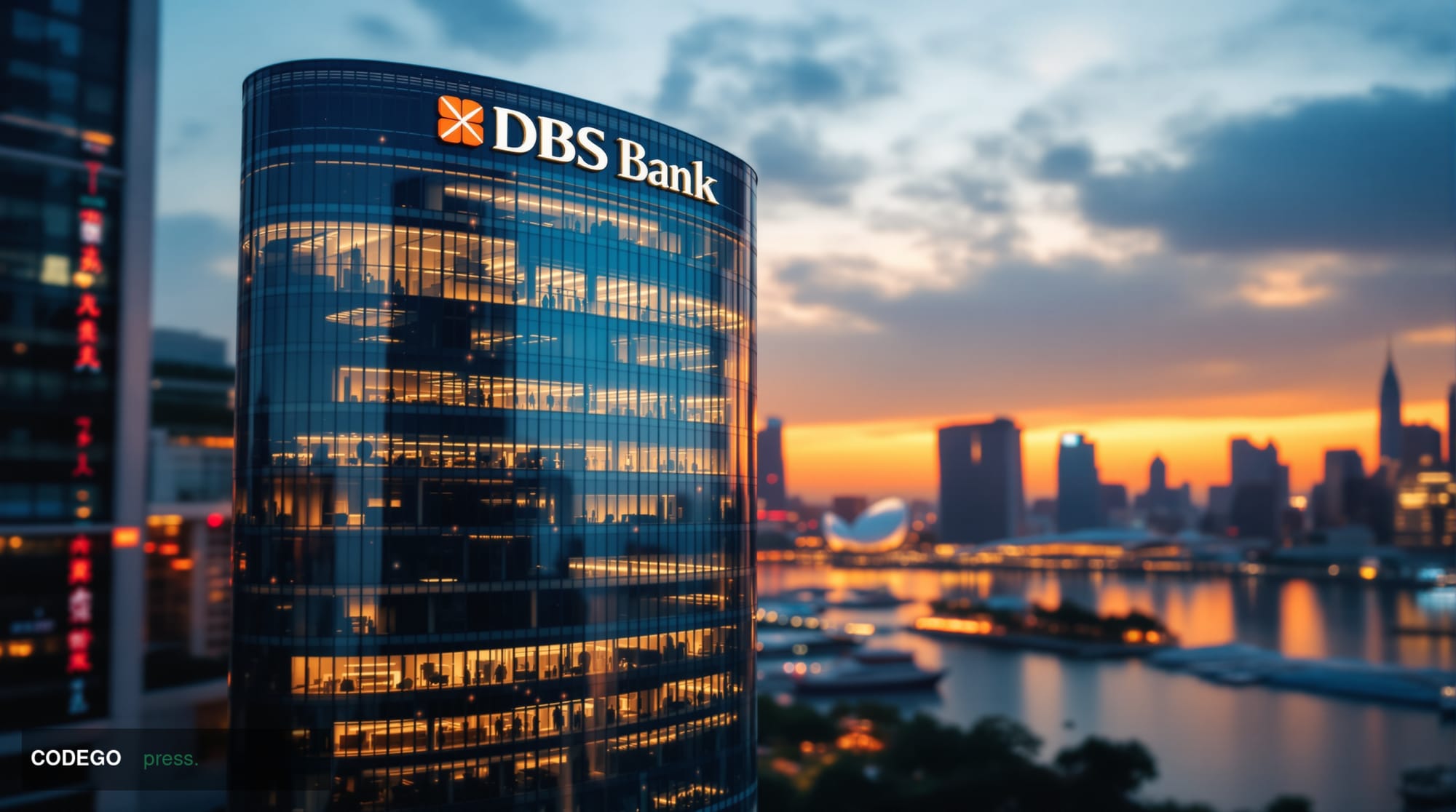
DBS Bank has launched a cross-border payment service that enables Singapore residents to fund Weixin Pay digital wallets directly through their mobile banking platform, addressing a longstanding friction point for travelers and businesses conducting transactions in China. The service represents a significant step toward seamless financial connectivity between Singapore and China's increasingly cashless economy.
The new offering allows Singaporeans, Permanent Residents, and foreign nationals residing in Singapore to transfer funds to Weixin Pay wallets using DBS Remit through the bank's digibank mobile application. Weixin Pay operates as a digital Renminbi wallet integrated within the popular Weixin and WeChat messaging applications, serving as a cornerstone of China's digital payment ecosystem alongside Alipay.
This development addresses a critical pain point for Singapore-based individuals who frequently travel to China or conduct business there. China's rapid transition to digital payments has created challenges for foreign visitors, who previously struggled to access local payment methods without Chinese bank accounts. Traditional cash transactions have become increasingly impractical in major Chinese cities, where mobile payments dominate everything from street vendors to luxury retailers.
The service requires users to complete identity verification procedures, reflecting both banks' compliance with anti-money laundering regulations and China's strict financial oversight framework. This verification process likely involves standard know-your-customer protocols that DBS has refined through its existing remittance services, ensuring regulatory compliance across both jurisdictions.
Strategic Implications for Cross-Border Commerce
DBS's move reflects the broader evolution of Southeast Asian banking toward facilitating regional digital commerce. As China's Belt and Road Initiative continues expanding economic ties with Southeast Asia, financial institutions are positioning themselves as enablers of cross-border trade and investment flows. The service particularly benefits Singapore's substantial Chinese diaspora and the growing number of Singaporean businesses with mainland China operations.
The integration leverages DBS's existing digital infrastructure, built through years of investment in mobile-first banking solutions. By routing transactions through DBS Remit, the bank maintains oversight of cross-border fund flows while providing customers with familiar interfaces and security protocols. This approach contrasts with alternative solutions that might require users to navigate multiple platforms or establish relationships with unfamiliar financial service providers.
For Weixin Pay and its parent company Tencent, the partnership represents continued international expansion efforts. While Chinese digital payment platforms face regulatory restrictions in many Western markets, Singapore's status as a regional financial hub and its pragmatic regulatory approach toward fintech innovation create opportunities for such collaborations.
Broader Market Context
The launch occurs as central banks across Asia explore digital currency initiatives and cross-border payment modernization. Singapore's Monetary Authority has actively promoted fintech innovation while maintaining robust regulatory standards, creating an environment where traditional banks like DBS can experiment with new service models. Meanwhile, China's digital yuan pilots and expanding digital payment infrastructure signal continued momentum toward cashless transactions.
This service enhancement positions DBS competitively against other regional banks seeking to capture cross-border payment flows. As travel between Singapore and China recovers following pandemic-related restrictions, demand for seamless payment solutions is likely to increase significantly. The bank's early entry into this market segment could establish valuable customer relationships and transaction volume ahead of competitors.
The Weixin Pay funding capability represents more than a convenience feature—it signals the gradual integration of Asian financial systems through digital channels. As other regional banks observe DBS's approach and customer response, similar partnerships may emerge, potentially creating a network of interconnected digital payment systems across Southeast and East Asia. Such developments could reshape how individuals and businesses approach cross-border financial activities, moving away from traditional correspondent banking relationships toward app-based solutions that prioritize speed and user experience.
Written by the editorial team — independent journalism powered by Codego Press.