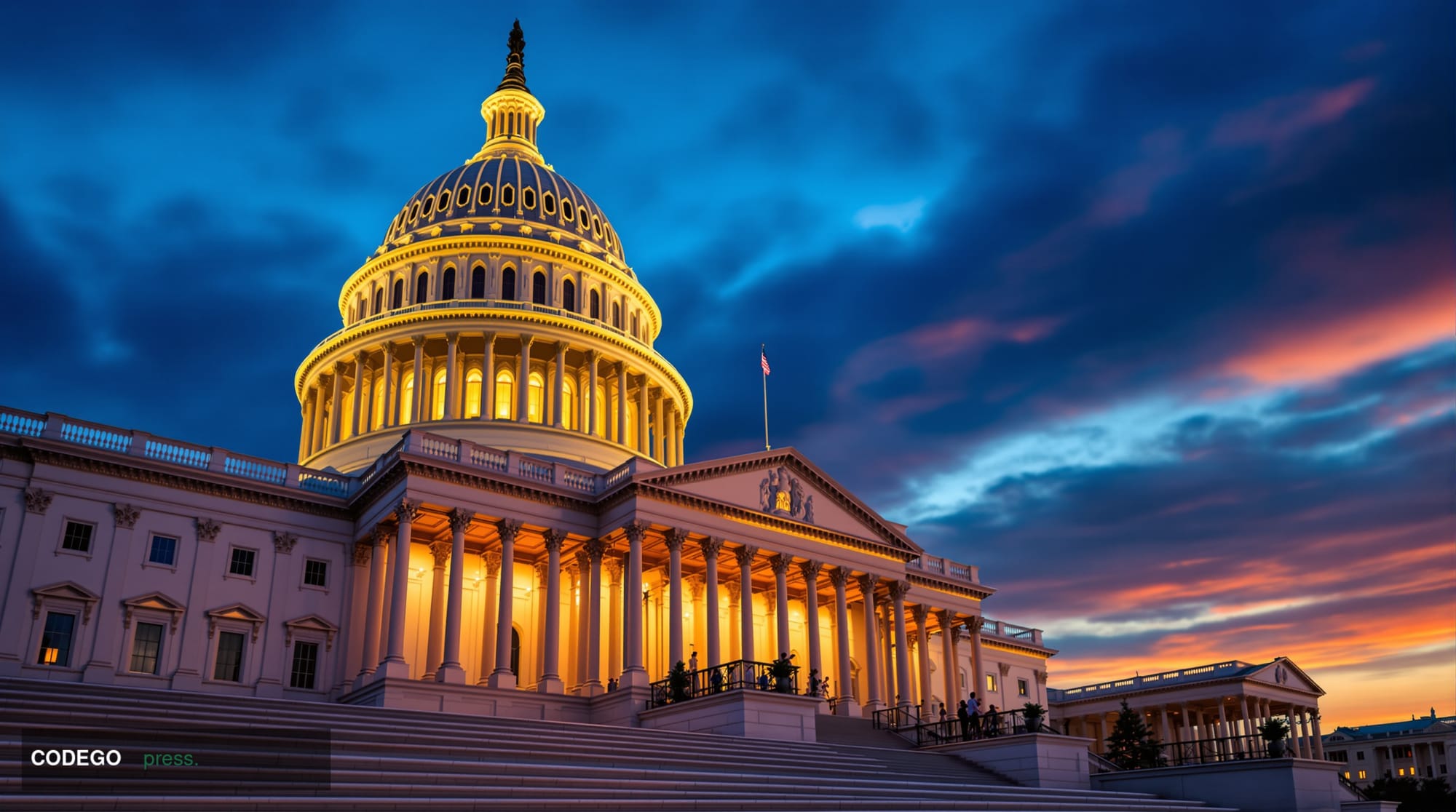
Washington's cryptocurrency regulatory landscape faces a defining moment as Senate negotiators enter a critical 72-hour window before Thursday's scheduled markup of the Digital Asset Market Clarity Act. The compressed timeline has intensified lobbying efforts and political maneuvering around legislation that could fundamentally reshape how digital assets operate within the United States financial system.
The Senate Banking Committee's markup session on May 14, 2026, represents the culmination of months of deliberation over comprehensive crypto regulation. Committee Chairman Tim Scott and Digital Assets Subcommittee Chair Cynthia Lummis are spearheading the final negotiations as stakeholders across the financial services industry mobilize their influence campaigns.
The Digital Asset Market Clarity Act seeks to establish definitive regulatory frameworks for cryptocurrency exchanges, stablecoin issuers, and digital asset custody providers. Industry observers characterize this legislation as potentially the most significant crypto regulatory development since the emergence of Bitcoin, with implications extending far beyond traditional cryptocurrency markets into broader fintech innovation.
The pressure campaign surrounding the bill reflects the high stakes involved for both traditional financial institutions and emerging crypto companies. Major players including Coinbase, traditional banking giants, and institutional investment firms have deployed significant resources to shape the final legislative language. The condensed negotiation period has created an environment where minor amendments could carry outsized consequences for entire market sectors.
Senator Lummis's leadership role on the Digital Assets Subcommittee positions her as a pivotal figure in these final discussions. Her advocacy for clear regulatory guidelines has consistently emphasized the need to balance innovation protection with consumer safeguards. The Wyoming Republican has previously argued that regulatory uncertainty has hindered American competitiveness in global crypto markets, making this markup a crucial test of her legislative priorities.
Chairman Scott's involvement signals the mainstream political attention now surrounding digital asset regulation. The South Carolina Republican's leadership of the Banking Committee brings traditional financial services expertise to crypto policy discussions, reflecting the growing convergence between established banking and emerging digital asset sectors. His committee's markup authority makes Thursday's session a mandatory passage point for any comprehensive crypto legislation.
The timing of this 72-hour negotiation period coincides with broader market developments that have elevated crypto regulation's urgency. Recent institutional adoption trends, including pension fund crypto allocations and corporate treasury diversification into digital assets, have amplified the economic significance of regulatory clarity. Financial institutions previously hesitant about crypto exposure now await definitive compliance frameworks before expanding their digital asset offerings.
Industry analysts anticipate that Thursday's markup could establish precedents extending well beyond the immediate legislative text. The committee's treatment of specific provisions around custody requirements, market maker obligations, and cross-border transaction oversight will likely influence how federal agencies interpret existing authorities in crypto markets. These interpretive guidelines could prove as consequential as the statutory language itself.
The escalating pressure campaign reflects broader tensions between innovation advocacy and regulatory caution that have characterized crypto policy debates throughout 2026. Technology companies argue that overly restrictive frameworks could drive innovation offshore, while consumer protection advocates emphasize the need for robust oversight mechanisms. Thursday's markup will test whether these competing priorities can be reconciled within a single legislative framework.
The condensed timeline also highlights the political dynamics surrounding crypto regulation as election cycles approach. Lawmakers face pressure to demonstrate both technological sophistication and consumer protection commitments, making the Digital Asset Market Clarity Act a potential barometer for broader political positioning on financial innovation issues.
As Washington enters this critical 72-hour period, the digital asset industry confronts a moment that could define its regulatory environment for years to come. The Senate Banking Committee's Thursday markup represents more than procedural advancement—it signals whether American policymakers can craft frameworks that accommodate innovation while maintaining the stability and consumer protections that underpin confidence in financial markets. The outcome will reverberate far beyond Capitol Hill, influencing how global markets perceive American leadership in the evolving digital economy.
Written by the editorial team — independent journalism powered by Codego Press.