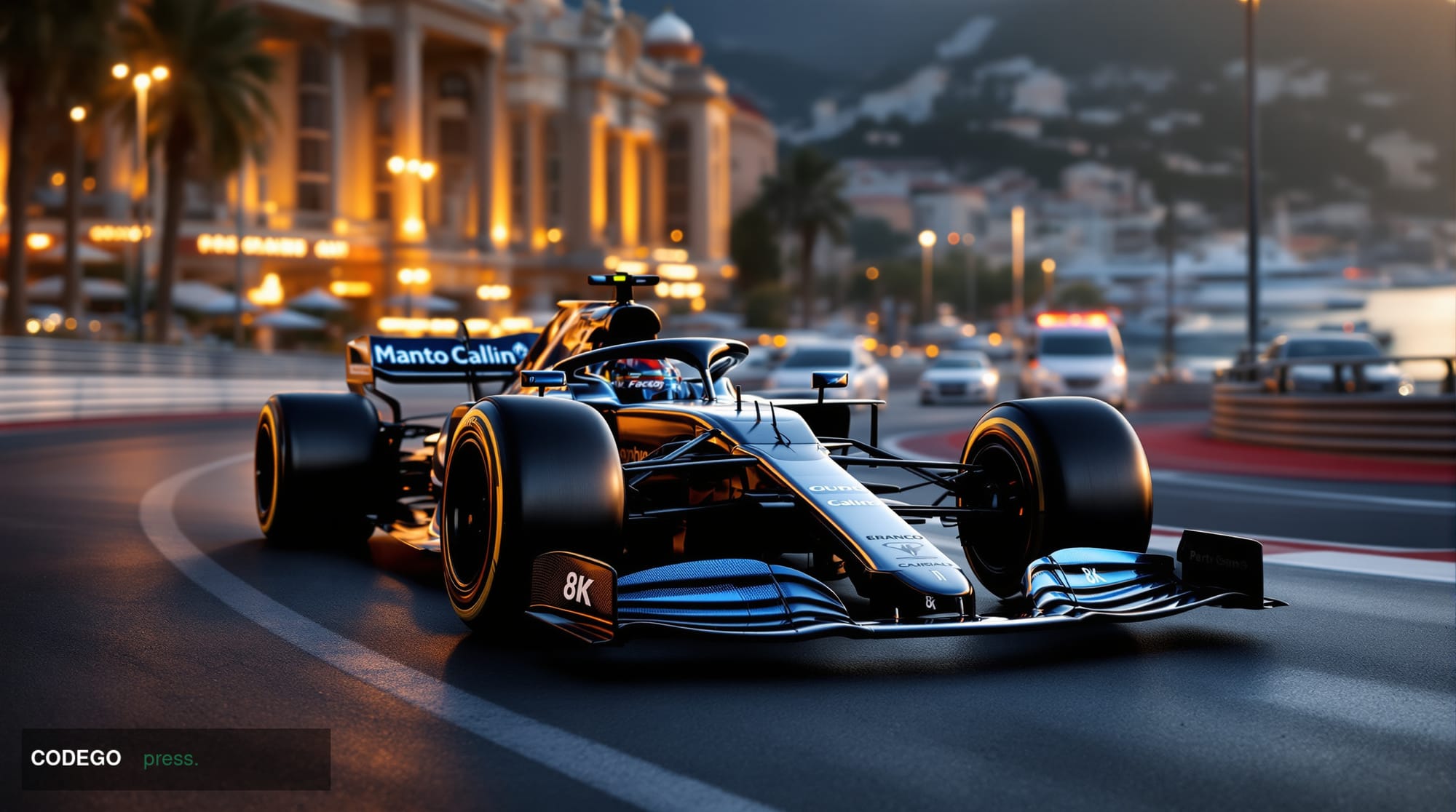
The financial services sector's expansion into Formula One sponsorship has reached unprecedented levels, with new research revealing a dramatic acceleration in banking and fintech partnerships within motorsport's premier championship. The transformation signals a fundamental shift in how digital financial institutions approach high-stakes brand positioning and customer acquisition strategies.
According to findings published by fintech branding agency Fintech Branding Studio, the Formula One ecosystem now encompasses 34 financing-related companies in 2026, representing a substantial increase from approximately 20 companies in 2025. This 70% year-over-year growth demonstrates the racing series' evolving appeal to financial sector marketers seeking global reach and premium brand association opportunities.
The research highlights how digital banks have emerged as particularly aggressive participants in this sponsorship landscape. Unlike traditional banking institutions that historically maintained conservative marketing approaches, digital-first financial services providers are leveraging Formula One's international broadcast reach and affluent demographic profile to accelerate brand recognition campaigns. The sport's 400 million global television audience across 70+ countries provides an unmatched platform for financial services companies targeting internationally mobile, high-net-worth individuals.
While cryptocurrency partnerships continue maintaining their presence within the Formula One sponsorship ecosystem, the data suggests institutional financial players are increasingly dominating the space. This evolution reflects a maturation process where established banking entities and emerging fintech companies recognize motorsport marketing's potential for customer acquisition and brand differentiation. The shift represents a notable departure from crypto-heavy sponsorship patterns that characterized previous seasons.
Digital banking institutions' Formula One investments align with broader industry trends toward experiential marketing and premium brand positioning. Unlike digital advertising channels that face increasing regulatory scrutiny and user privacy constraints, motorsport sponsorships offer guaranteed visibility and positive brand association opportunities. The sport's connection to precision, performance, and cutting-edge technology resonates particularly well with fintech companies seeking to communicate innovation and reliability messaging.
The sponsorship expansion also reflects Formula One's own strategic efforts to diversify revenue streams beyond traditional automotive and energy sector partnerships. Formula One's commercial leadership has actively courted financial services companies, recognizing their alignment with the sport's premium positioning and global reach requirements. The racing series' Netflix-driven popularity surge has created additional appeal for brands targeting younger, digitally-native demographics.
From a market dynamics perspective, the 70% increase in financial sector participation suggests intensifying competition for customer acquisition among digital banks and fintech companies. As traditional differentiation factors like interest rates and fee structures become increasingly commoditized, brand association with high-performance, globally recognized properties offers alternative competitive advantages. Formula One sponsorships provide these companies with conversation starters and brand recall opportunities that traditional financial services marketing struggles to achieve.
The implications extend beyond pure marketing considerations. Financial services companies' growing Formula One presence reflects their international expansion ambitions and cross-border customer targeting strategies. The sport's consistent presence in key financial centers including Monaco, Singapore, and various European markets provides natural alignment with banking institutions' geographic priorities and customer concentration patterns.
Looking ahead, the continued growth in financial sector Formula One sponsorships suggests this trend will likely accelerate through the remainder of the 2026 season and beyond. As digital banking competition intensifies globally and customer acquisition costs rise across traditional channels, motorsport marketing offers compelling return-on-investment potential for companies willing to invest in premium brand positioning strategies.
Written by the editorial team — independent journalism powered by Codego Press.