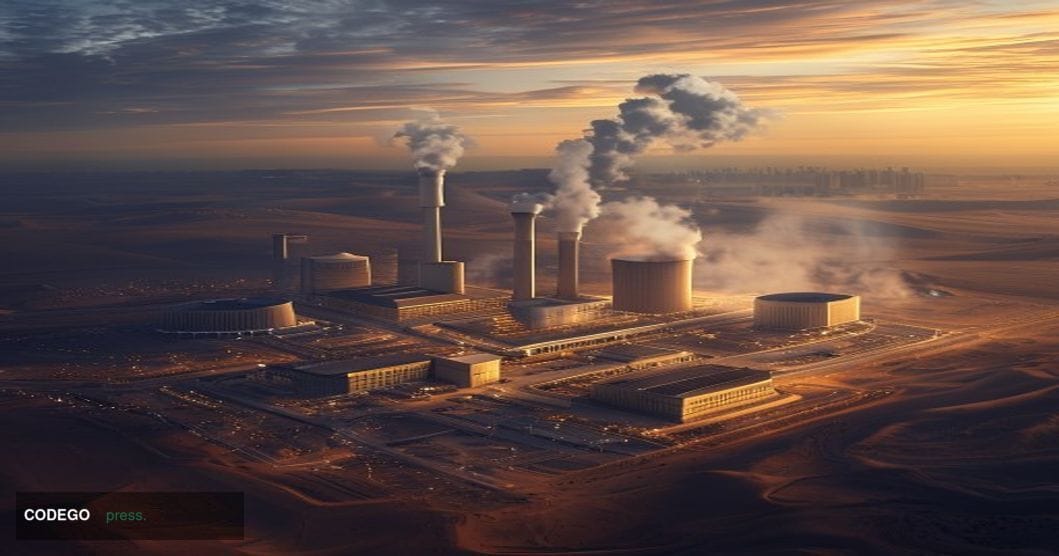
A drone attack targeting a nuclear facility in the United Arab Emirates has sent oil prices surging to their highest levels in two weeks, underscoring the fragile intersection between geopolitical instability and global energy markets. The incident marks a stark reminder of how quickly modern conflicts can disrupt critical infrastructure and ripple through international commodity trading.
The attack represents a significant escalation in regional tensions, highlighting the vulnerability of the UAE's strategic energy infrastructure to asymmetric warfare tactics. As oil prices climbed to their two-week peak following news of the incident, market analysts pointed to the broader implications for energy security across the Gulf region, where a substantial portion of global oil production and refining capacity is concentrated.
The targeting of nuclear infrastructure through drone technology demonstrates the evolving nature of threats facing critical energy facilities worldwide. Modern unmanned aerial systems have become increasingly sophisticated and accessible, allowing state and non-state actors to strike high-value targets with unprecedented precision and minimal risk exposure. This technological shift fundamentally alters the security calculations for operators of essential infrastructure, from nuclear plants to oil refineries and power grids.
For energy markets, the incident reinforces persistent concerns about supply chain vulnerabilities in one of the world's most strategically important regions. The UAE serves as a crucial hub for regional oil flows and refining operations, making any threat to its infrastructure a matter of global significance. Trading patterns following the attack suggest that market participants remain acutely sensitive to geopolitical developments that could potentially disrupt production or transportation networks.
The nuclear facility's targeting also raises questions about the adequacy of current protective measures surrounding critical energy infrastructure. Traditional security frameworks, designed primarily to counter conventional military threats, may prove insufficient against the distributed and technologically advanced nature of modern asymmetric attacks. This reality demands a fundamental reassessment of defensive strategies for facilities that underpin national and regional energy security.
Beyond immediate market reactions, the incident illuminates broader challenges facing the global energy transition. As nations increasingly rely on nuclear power to meet climate objectives and reduce carbon emissions, ensuring the security of nuclear facilities becomes paramount to maintaining public confidence in this technology. Any successful attack on nuclear infrastructure could potentially slow adoption of nuclear energy solutions, complicating efforts to achieve net-zero emissions targets.
The attack's timing also coincides with ongoing volatility in global energy markets, where supply concerns and geopolitical tensions continue to influence pricing dynamics. Recent years have seen energy infrastructure increasingly weaponized as a tool of statecraft, from pipeline attacks to cyber operations targeting power grids. This trend suggests that energy security considerations will remain central to both regional stability and international commodity markets.
What this means for the broader energy landscape is a recognition that traditional approaches to infrastructure protection must evolve rapidly. The convergence of drone technology, cyber capabilities, and asymmetric warfare tactics creates new vulnerabilities that require innovative defensive solutions. For investors and policymakers alike, this incident serves as a catalyst for reassessing risk premiums associated with energy investments in geopolitically sensitive regions, while highlighting the urgent need for enhanced security frameworks that can address 21st-century threats to critical infrastructure.
Written by the editorial team — independent journalism powered by Codego Press.