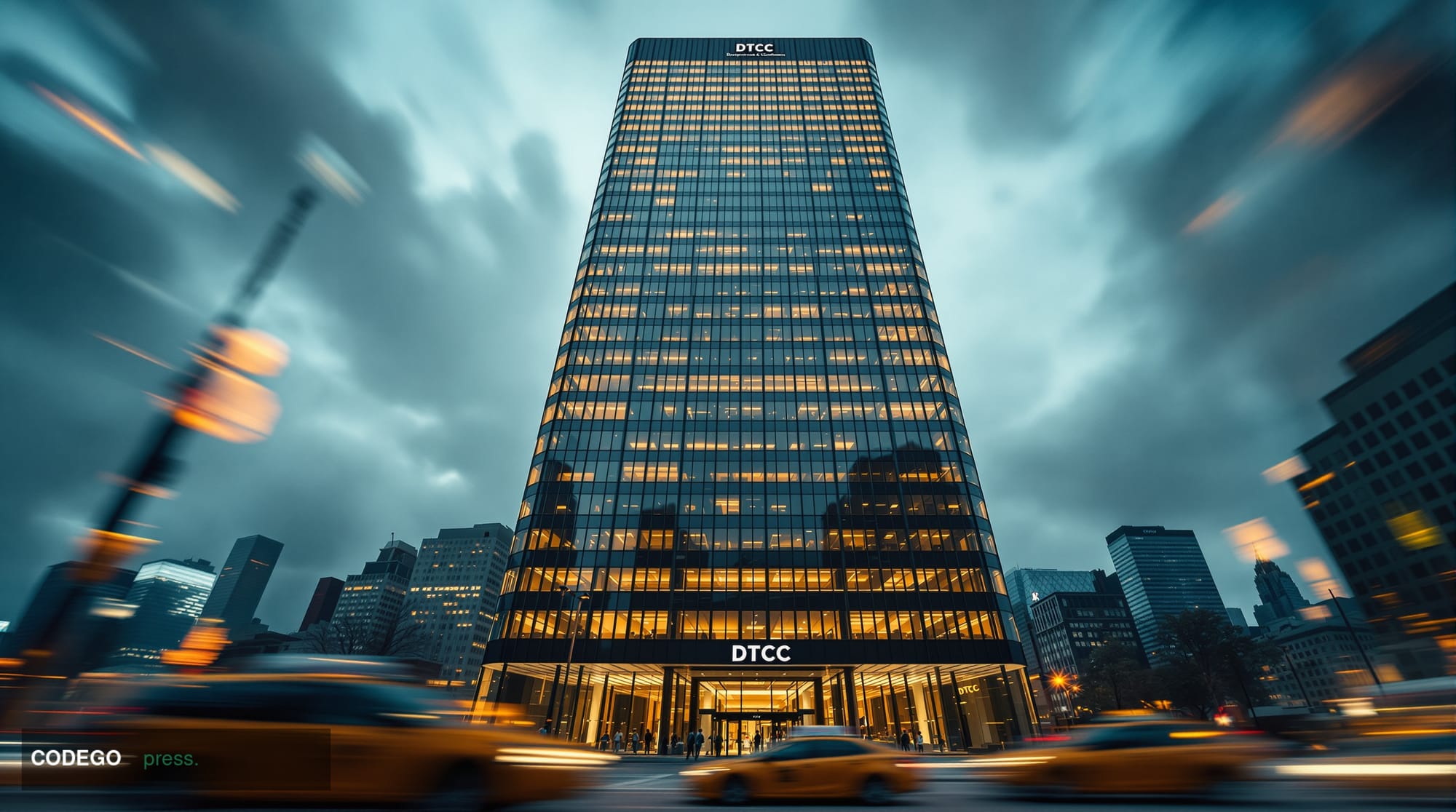
The Depository Trust & Clearing Corporation (DTCC) has embarked on an ambitious initiative to tokenize securities that could fundamentally reshape how global financial markets operate. The move represents one of the most significant blockchain adoption efforts by a major financial infrastructure provider, with implications extending far beyond traditional settlement processes.
The tokenization initiative promises to address longstanding inefficiencies in securities settlement that have persisted for decades. By converting traditional securities into digital tokens on blockchain networks, the DTCC aims to dramatically reduce settlement times while enhancing operational efficiency across global financial markets. This technological leap could eliminate the current T+2 settlement cycle that requires two business days to complete most securities transactions.
For financial institutions worldwide, faster settlement speeds translate directly into reduced counterparty risk and improved capital efficiency. Banks and brokerages currently must hold substantial capital reserves to cover potential settlement failures during the multi-day clearing process. Instantaneous or near-instantaneous settlement through blockchain technology could free up billions of dollars in trapped capital, allowing financial institutions to deploy resources more productively.
Infrastructure Transformation at Scale
The scope of this transformation cannot be understated given the DTCC's central role in global finance. The organization processes securities transactions worth trillions of dollars annually, serving as the backbone for equity, fixed income, and derivatives markets across major financial centers. Any technological upgrade to this infrastructure reverberates throughout the entire financial ecosystem.
However, questions have emerged regarding the extent of Stellar's involvement in the tokenization project. While initial reports suggested the blockchain network would play a central role in the initiative, subsequent analysis indicates that Stellar's participation may have been overstated. This discrepancy highlights the importance of careful due diligence when evaluating blockchain partnerships, particularly those involving critical financial infrastructure.
The clarification around Stellar's role underscores broader challenges facing the blockchain industry as it seeks integration with traditional finance. Established financial institutions often explore multiple technological solutions simultaneously, leading to speculation about partnerships that may not materialize as initially reported. For blockchain networks competing for institutional adoption, these dynamics create both opportunities and risks in terms of market positioning.
Regulatory and Technical Considerations
Implementing securities tokenization at the DTCC's scale requires navigating complex regulatory frameworks across multiple jurisdictions. Securities laws, clearing regulations, and cross-border compliance requirements must all be addressed before tokenized securities can achieve widespread adoption. The organization's approach to these challenges will likely influence how other financial infrastructure providers pursue similar initiatives.
The technical architecture supporting tokenized securities must also meet stringent reliability and security standards. Financial markets cannot afford system downtime or security breaches that could disrupt trading or compromise sensitive transaction data. This requirement places blockchain technology under intense scrutiny, as any implementation must demonstrate superior performance compared to existing systems.
Market Implications and Future Outlook
The DTCC's tokenization initiative signals a broader shift toward blockchain adoption among traditional financial institutions. Major banks, asset managers, and trading platforms are increasingly exploring distributed ledger technologies to improve operational efficiency and reduce costs. This trend suggests that securities tokenization represents just the beginning of a more comprehensive digital transformation within global finance.
For market participants, the enhanced settlement speed and efficiency promised by tokenization could enable new trading strategies and risk management approaches. Reduced settlement risk may allow for higher leverage and more complex financial products, while faster transaction processing could support increased trading volumes and market liquidity.
The success or failure of the DTCC's tokenization efforts will likely influence regulatory attitudes toward blockchain technology in finance. Positive outcomes could accelerate approval processes for similar initiatives, while technical difficulties or security incidents could prompt more cautious regulatory approaches. Given the organization's systemic importance, regulators worldwide will monitor this implementation closely.
Written by the editorial team — independent journalism powered by Codego Press.