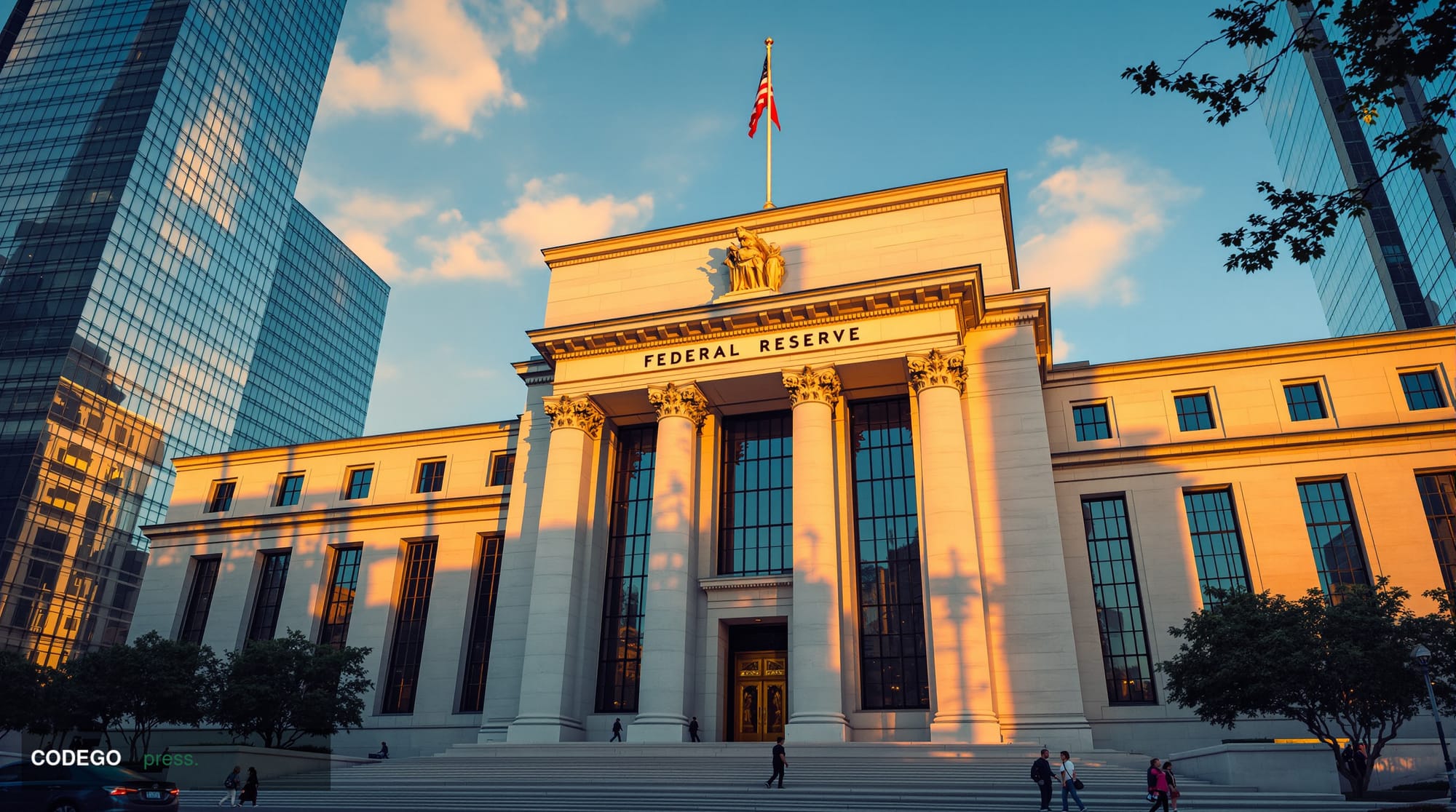
The cryptocurrency industry is positioning itself for what many expect to be a transformative period under newly sworn-in Federal Reserve Chair Kevin Warsh, with digital asset advocates expressing cautious optimism about potential policy shifts favorable to the sector.
Warsh's ascension to the helm of America's central banking system comes at a critical juncture for cryptocurrency regulation, as the industry has long sought clearer guidance and more accommodating policies from federal financial regulators. The appointment represents a potential inflection point for how the Fed approaches digital assets, stablecoins, and central bank digital currency development.
The cryptocurrency sector's optimistic outlook stems from Warsh's previous statements and academic work suggesting a more nuanced understanding of digital assets compared to his predecessors. Industry observers anticipate this could translate into regulatory frameworks that balance innovation with financial stability concerns, potentially opening new avenues for institutional adoption and mainstream integration of digital currencies.
Warsh's leadership comes as the Fed grapples with evolving monetary policy challenges in an increasingly digital financial landscape. His approach to cryptocurrency regulation could influence how other regulatory bodies, including the Securities and Exchange Commission and the Commodity Futures Trading Commission, coordinate their oversight of digital assets. The Fed's stance on cryptocurrencies has historically carried significant weight in shaping broader regulatory sentiment across federal agencies.
The timing of Warsh's appointment coincides with growing institutional interest in cryptocurrency integration within traditional banking services. Major financial institutions have been awaiting clearer regulatory guidance to expand their digital asset offerings, and a more crypto-friendly Fed could accelerate these initiatives. This regulatory clarity could prove particularly significant for banks seeking to offer cryptocurrency custody services or integrate blockchain technology into their payment systems.
Market participants are closely watching for signals about the Fed's approach to central bank digital currency development under Warsh's leadership. His stance on a digital dollar could influence the broader cryptocurrency ecosystem, as central bank digital currencies represent both competition and validation for the digital asset space. The Fed's research and potential implementation of a CBDC has been a subject of intense industry scrutiny and political debate.
The cryptocurrency industry's expectations extend beyond regulatory policy to monetary policy implications. Warsh's approach to interest rates and inflation targeting could significantly impact digital asset valuations, as cryptocurrencies have shown sensitivity to Federal Reserve policy decisions in recent years. Lower interest rates have historically correlated with increased risk appetite for alternative investments, including digital assets.
However, industry observers caution that meaningful policy changes typically unfold gradually within the Federal Reserve system. Warsh will need to navigate complex institutional dynamics and build consensus among Federal Open Market Committee members on cryptocurrency-related policies. The Fed's traditional emphasis on financial stability and consumer protection will likely continue to influence any pro-crypto initiatives, ensuring that innovation proceeds within established risk management frameworks.
What this development ultimately means for the cryptocurrency sector depends largely on how Warsh translates his apparent understanding of digital assets into concrete policy actions. While industry optimism runs high, the practical implementation of crypto-friendly policies will require careful coordination with other regulatory agencies and consideration of broader macroeconomic factors. The success of this regulatory approach will likely be measured by its ability to foster innovation while maintaining the financial stability that remains the Fed's primary mandate.
Written by the editorial team — independent journalism powered by Codego Press.