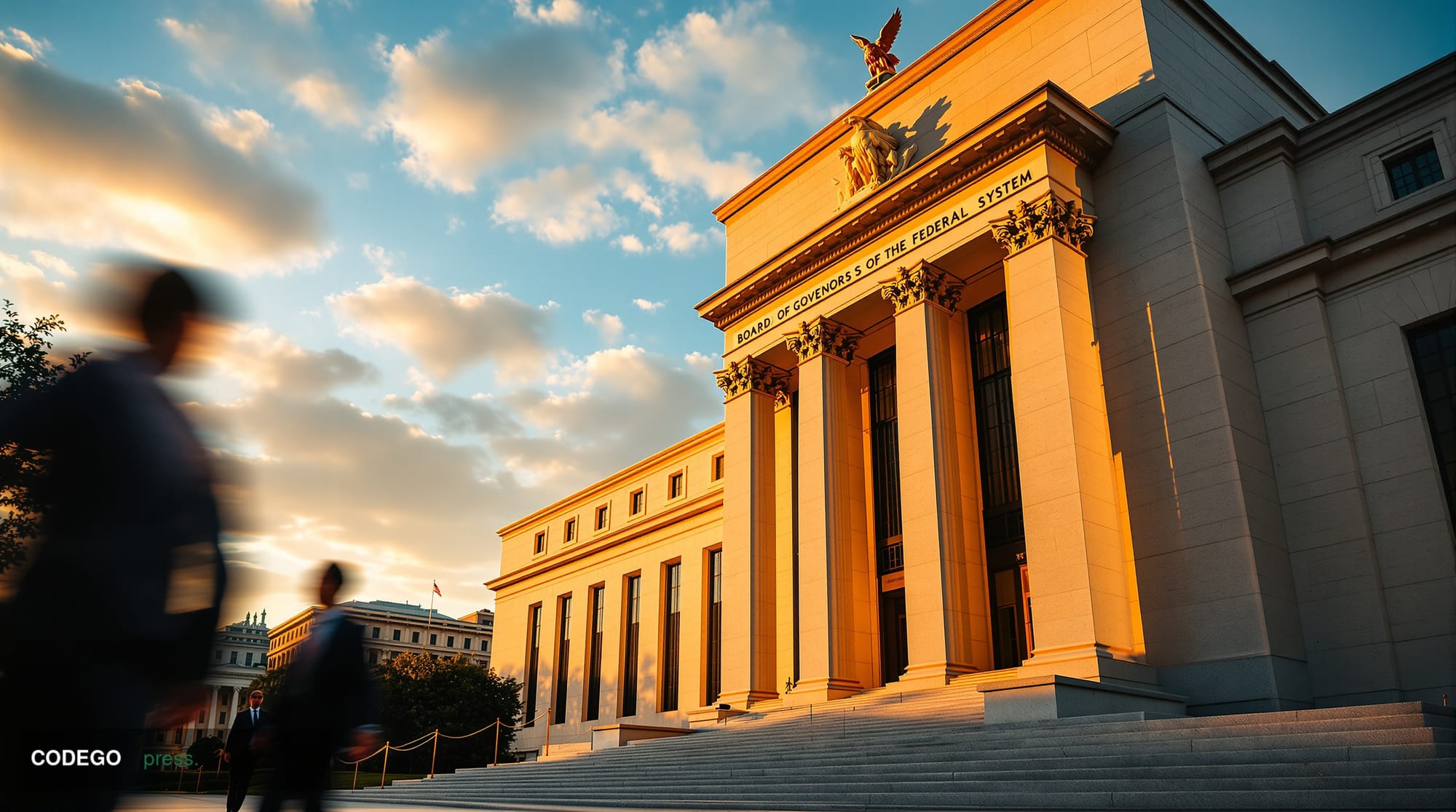
America's largest banks have successfully navigated a critical regulatory milestone, with the Federal Reserve and Federal Deposit Insurance Corporation (FDIC) approving the living wills of four systemically important financial institutions. The regulatory green light for JPMorgan Chase, Bank of America, Citi, and Goldman Sachs marks a significant achievement in post-financial crisis regulatory compliance, demonstrating these institutions have credible roadmaps for orderly bankruptcy proceedings without taxpayer bailouts.
The approval announcement, delivered Friday by both agencies, carries particular weight given the stringent scrutiny these emergency wind-down plans face. Living wills represent detailed blueprints outlining how banks would unwind their operations during severe financial distress while maintaining critical services and avoiding systemic disruption. The Federal Reserve and FDIC specifically noted that all four institutions have adequately addressed shortcomings identified in their previous resolution plans, suggesting meaningful improvements in crisis preparedness since earlier submissions.
This regulatory endorsement reflects years of intensive preparation by banking executives and risk management teams who have invested substantial resources in developing comprehensive emergency protocols. The living wills process requires banks to map their global operations, identify critical business lines, and demonstrate how they would maintain essential functions during bankruptcy proceedings. For institutions of this scale—JPMorgan Chase alone holds more than $3 trillion in assets—creating credible resolution strategies represents an extraordinary logistical and strategic challenge.
The successful approval carries broader implications for the banking sector's regulatory relationship with federal authorities. Since the 2008 financial crisis, regulators have demanded increasingly sophisticated crisis planning from systemically important banks, viewing robust living wills as essential safeguards against future taxpayer-funded rescues. The fact that these four major institutions have now satisfied regulatory requirements suggests the framework established under the Dodd-Frank Act is achieving its intended objectives of making large banks resolvable without government intervention.
For bank shareholders and bondholders, the living wills approval provides reassurance about institutional stability and regulatory standing. Banks that fail to maintain adequate resolution plans face potential restrictions on their operations, including limits on growth and new activities. The regulatory approval removes this overhang and allows these institutions to focus resources on business expansion rather than remediation efforts. This regulatory clarity becomes particularly valuable as banks navigate an evolving economic landscape with shifting interest rate environments and emerging technological challenges.
The timing of these approvals also reflects the maturation of post-crisis regulatory frameworks. More than a decade after the implementation of enhanced supervisory requirements, the largest banks have demonstrated they can develop and maintain the sophisticated risk management and resolution planning capabilities regulators demand. This evolution suggests the banking system has internalized lessons from the financial crisis and built institutional capabilities that reduce systemic risk.
Looking ahead, these approved living wills provide a foundation for continued regulatory dialogue between banks and supervisors. The resolution planning process remains dynamic, with banks required to update their plans regularly to reflect changes in business operations, market conditions, and regulatory expectations. The Federal Reserve and FDIC will continue monitoring these institutions' crisis preparedness, ensuring that approved plans remain viable and effective as banking operations evolve. This ongoing oversight represents a permanent shift in how regulators approach systemic risk management, prioritizing prevention over post-crisis intervention.
Written by the editorial team — independent journalism powered by Codego Press.