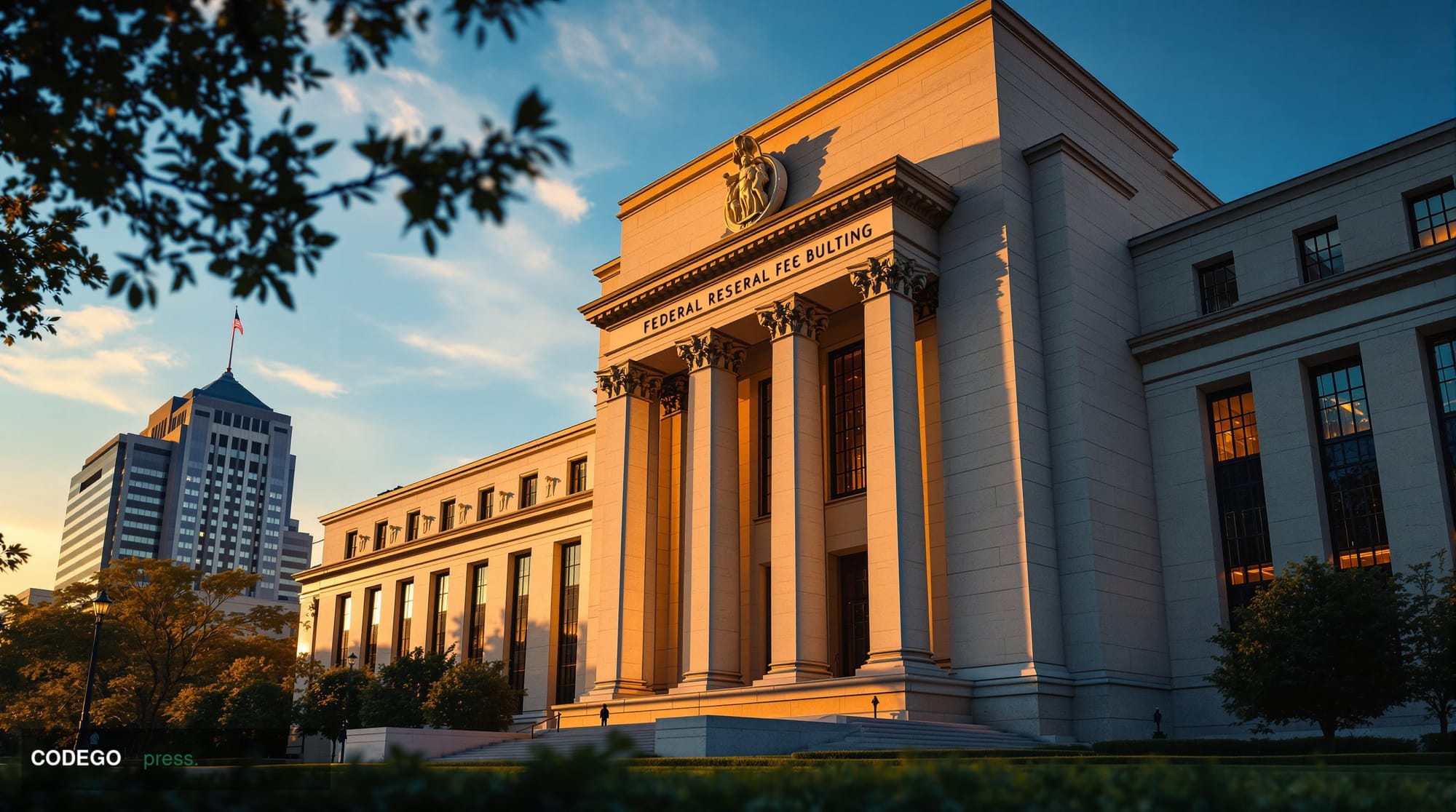
Federal Reserve Board Member Michael S. Barr delivered a pointed warning against financial deregulation during periods of market exuberance, speaking at American University in Washington DC on June 6, 2026. The speech, provocatively titled "Deregulating in a financial boom - what could go wrong?" signals growing concern within the central bank about the potential risks of loosening regulatory oversight amid current favorable financial conditions.
Barr's address comes at a critical juncture for American financial policy, as policymakers grapple with calls from industry leaders and some political figures to roll back post-crisis banking regulations. The timing of his remarks suggests the Fed is positioning itself as a guardian against the historical tendency to relax financial safeguards during good times, a pattern that has repeatedly contributed to subsequent market disruptions.
The rhetorical question embedded in the speech title reflects a growing divide within financial policy circles about the appropriate level of regulatory oversight. Proponents of deregulation argue that excessive rules stifle economic growth and innovation, particularly in emerging sectors like financial technology and digital assets. However, Barr's intervention appears designed to counter this narrative by highlighting the procyclical dangers of reducing oversight when markets appear stable.
As a Member of the Board of Governors, Barr wields significant influence over both monetary policy and financial regulation. His academic background and previous experience as Assistant Secretary for Financial Institutions at the Treasury Department during the Obama administration lend additional weight to his regulatory perspectives. The choice of American University as the venue for this speech may signal an attempt to reach beyond traditional financial industry audiences to engage with academic and policy communities.
The speech represents a continuation of debates that have persisted since the 2008 financial crisis about the appropriate balance between financial stability and economic growth. While the full content of Barr's remarks was not detailed in the available materials, the title alone suggests he is drawing historical parallels to previous periods when regulatory rollbacks preceded financial instability.
This intervention comes as financial markets have experienced sustained strength across multiple sectors, creating conditions that historically have led to overconfidence among both regulators and market participants. The phenomenon of regulatory capture during boom periods has been well-documented by economists and policymakers, as political pressure to reduce oversight tends to intensify when immediate risks appear minimal.
The implications of Barr's stance extend beyond traditional banking to encompass the broader financial services ecosystem, including fintech companies, digital payment providers, and cryptocurrency platforms that have gained prominence in recent years. His warning may foreshadow more assertive regulatory enforcement across these emerging sectors, particularly as they become more systemically important.
What this means for the financial industry is clear: expectations of regulatory relief may be premature. Barr's speech signals that at least some Fed officials remain committed to maintaining robust oversight mechanisms, even as industry pressure for deregulation mounts. Financial institutions should prepare for continued scrutiny of their risk management practices and capital adequacy, while emerging fintech players may face more stringent regulatory frameworks as their market influence grows. The speech serves as a timely reminder that regulatory vigilance typically proves most valuable precisely when it appears least necessary.
Written by the editorial team — independent journalism powered by Codego Press.