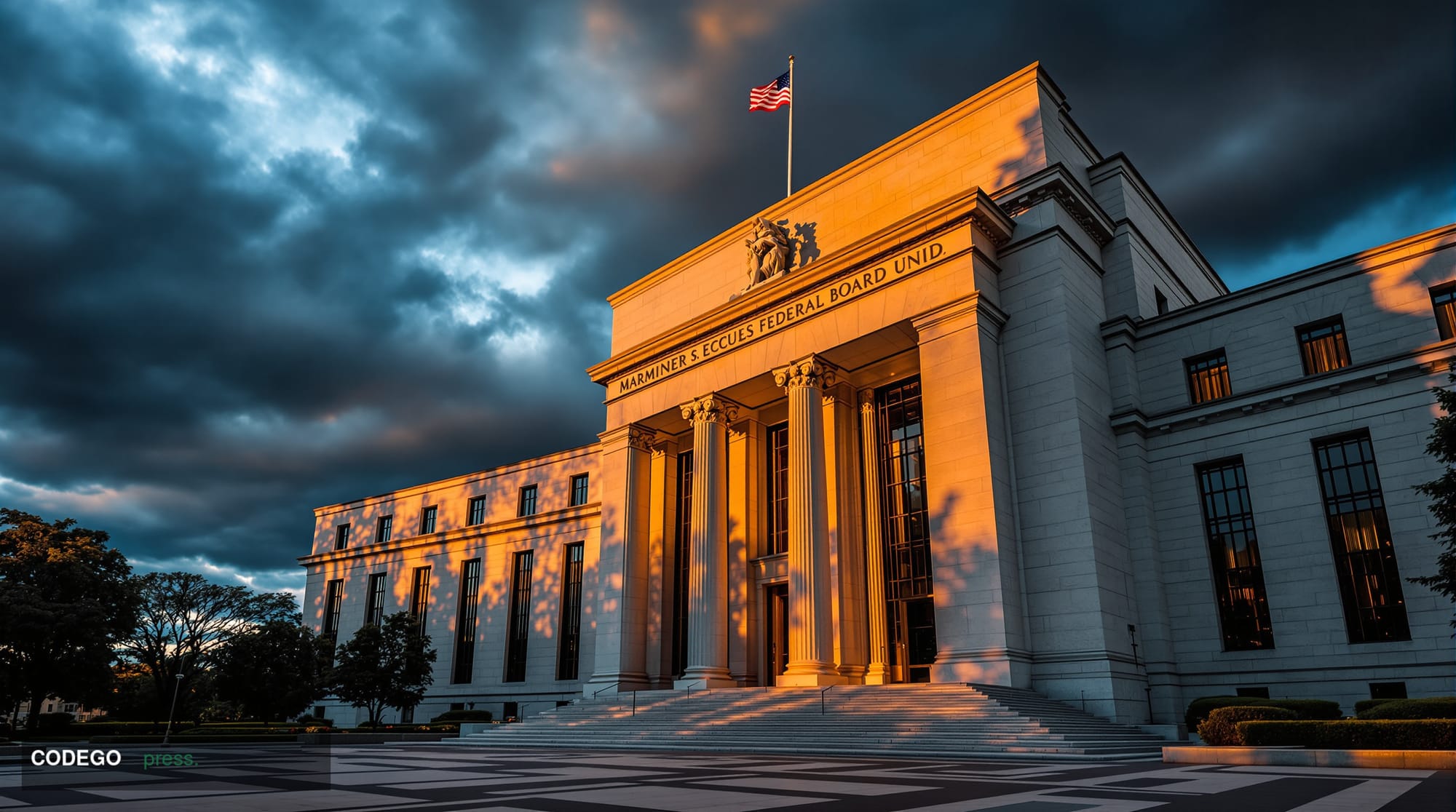
The impending leadership transition at the Federal Reserve has taken an unexpected turn as Kevin Warsh prepares to assume the central bank's most powerful role amid mounting scrutiny over his cryptocurrency holdings. The controversy surrounding Warsh's digital asset investments threatens to overshadow his appointment and raises fundamental questions about the independence of America's monetary policy institution.
The intersection of personal financial interests and central banking authority has created a perfect storm of political and regulatory concerns. Warsh's cryptocurrency portfolio, while not unprecedented for private sector figures entering public service, represents a novel challenge for Federal Reserve governance. The central bank has historically maintained strict ethical guidelines designed to prevent conflicts of interest, but the emergence of digital assets as a significant investment class has outpaced regulatory frameworks governing Fed officials' financial holdings.
Market observers are closely watching how this controversy unfolds, as it could fundamentally alter the Federal Reserve's approach to cryptocurrency regulation. The central bank's independence has long been considered sacrosanct in American monetary policy, with Fed chairs traditionally divesting themselves of holdings that could create even the appearance of conflicts. Warsh's situation presents a more complex scenario, as cryptocurrency investments span multiple asset classes and regulatory jurisdictions, making simple divestiture potentially more challenging than traditional securities sales.
The political dimensions of this scrutiny extend beyond partisan concerns about cryptocurrency regulation. Congressional oversight committees have already begun preliminary inquiries into Warsh's holdings, with particular focus on how his investment decisions might influence Federal Reserve policy toward digital currencies and distributed ledger technologies. These investigations come at a critical juncture for cryptocurrency regulation, as the Federal Reserve weighs potential central bank digital currency implementations and broader oversight frameworks for the digital asset ecosystem.
Market stability concerns have emerged as another significant factor in the growing scrutiny. Financial markets have historically relied on Federal Reserve predictability and independence from political or personal financial motivations. Warsh's cryptocurrency holdings introduce variables that could affect market confidence in Fed decision-making, particularly regarding interest rate policies that directly impact cryptocurrency valuations and broader digital asset market dynamics.
The regulatory implications extend beyond immediate conflict-of-interest concerns to fundamental questions about central bank modernization. As traditional monetary policy tools intersect with emerging financial technologies, Fed leadership must navigate unprecedented territory while maintaining institutional credibility. Warsh's background and investment portfolio place him at the center of these evolving challenges, creating both opportunities and risks for Federal Reserve modernization efforts.
Banking industry leaders are watching these developments with particular interest, as Federal Reserve policy increasingly affects cryptocurrency markets and traditional financial institutions' digital asset strategies. The controversy surrounding Warsh's appointment could signal broader changes in how regulatory agencies approach cryptocurrency oversight and integration with traditional monetary policy frameworks.
The resolution of this scrutiny will likely establish important precedents for future Federal Reserve appointments and cryptocurrency regulation more broadly. As digital assets become increasingly mainstream investment vehicles, regulatory agencies must develop frameworks that balance innovation with institutional integrity. Warsh's situation represents a test case for how America's financial regulatory apparatus adapts to the realities of cryptocurrency integration into traditional finance.
Written by the editorial team — independent journalism powered by Codego Press.