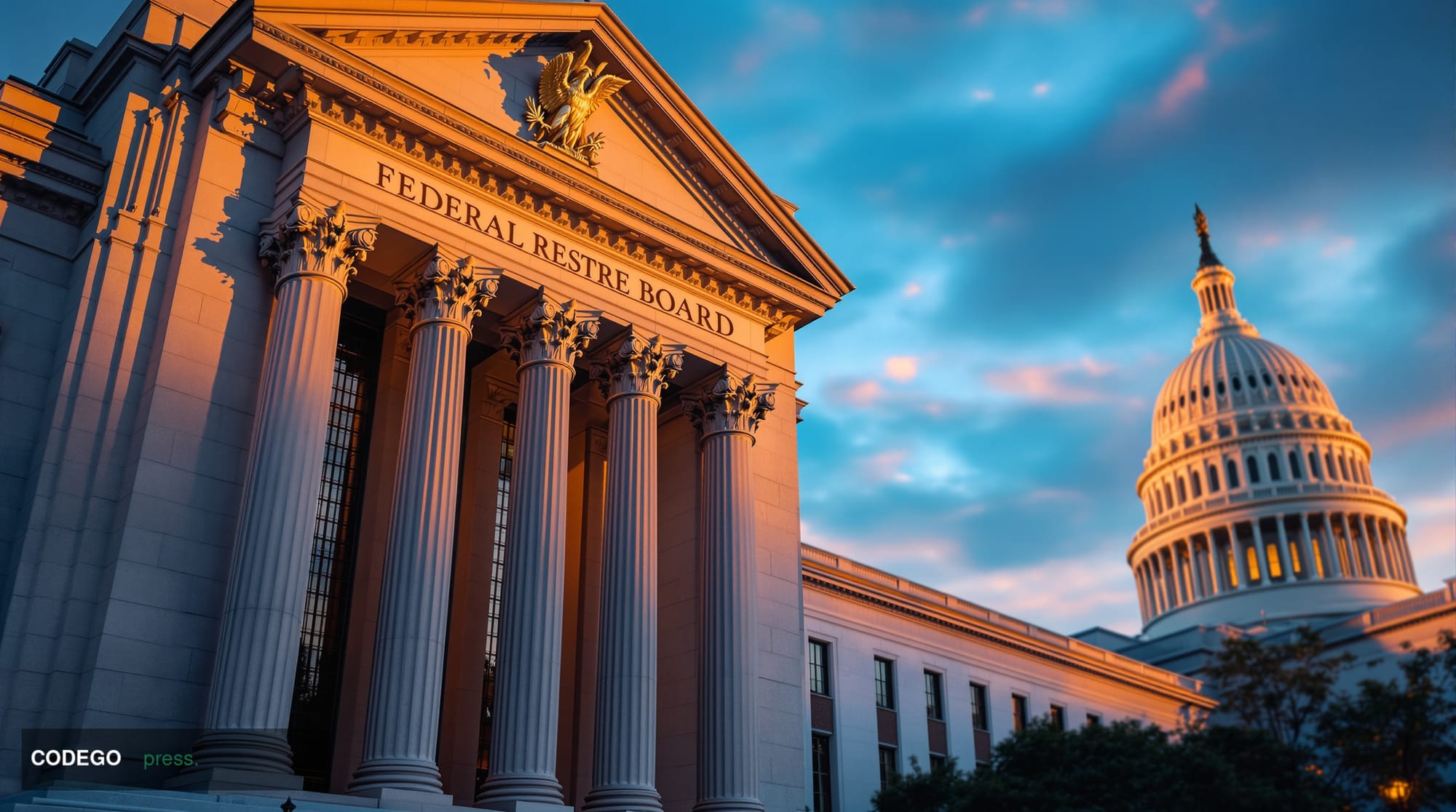
The Federal Reserve has initiated a comprehensive data collection effort to scrutinize how traditional banks are channeling funding into the rapidly expanding private credit sector, marking a significant escalation in regulatory oversight of alternative lending markets.
Michelle Bowman, the Fed's vice chair for supervision, disclosed the new initiative during testimony before lawmakers Thursday, revealing that the central bank has begun gathering detailed information from financial institutions about their exposure to private credit markets. This move signals growing concern among regulators about the interconnectedness between traditional banking and the shadow lending ecosystem that has flourished in recent years.
The data collection represents the Fed's most direct acknowledgment yet that private credit has evolved from a niche alternative investment strategy into a systemic consideration for bank supervision. Private credit, which encompasses direct lending by non-bank institutions to companies that might traditionally have relied on bank loans or public debt markets, has swelled to an estimated $1.7 trillion globally as institutional investors chase higher yields in a prolonged low-interest-rate environment.
Bowman's revelation suggests the Fed is particularly focused on understanding the various pathways through which bank capital flows into private credit structures. These connections can be complex and multifaceted, ranging from direct credit facilities extended to private credit funds, to participation in syndicated deals, to providing backup liquidity lines for asset-backed securities tied to private credit portfolios. Banks may also have exposure through their wealth management divisions, which often allocate client assets to private credit strategies.
The timing of this supervisory initiative reflects mounting concerns about potential risks in the private credit market. Unlike traditional bank lending, private credit operates with less regulatory oversight and often involves more complex deal structures and covenant packages. The sector's rapid growth has coincided with a general loosening of lending standards across credit markets, raising questions about how losses in private credit portfolios might ripple through the broader financial system via bank exposures.
For banks, the Fed's data collection effort likely foreshadows more intensive supervisory scrutiny of their alternative lending relationships. Institutions may face pressure to enhance their risk management frameworks around private credit exposures and potentially hold additional capital against certain types of exposures that supervisors deem particularly risky. This could affect the economics of banks' relationships with private credit funds and potentially slow the flow of bank capital into the sector.
The broader implications extend beyond immediate supervisory concerns. The Fed's initiative suggests regulators are grappling with how to maintain financial stability oversight in an era where credit intermediation has increasingly migrated outside the traditional banking system. Private credit's growth has been facilitated in part by regulatory arbitrage, as fund managers have built lending businesses that can operate with greater flexibility than heavily regulated banks.
What this development means for the financial sector is profound. The Fed's data collection marks a potential turning point in how regulators approach the supervision of interconnections between traditional banking and alternative finance. Banks that have built significant revenue streams from private credit relationships may need to reassess the sustainability of these business models under heightened regulatory scrutiny. Meanwhile, private credit funds could face indirect pressure through tighter oversight of their banking relationships, potentially affecting their access to leverage and operational infrastructure. The initiative also signals that the era of relatively light-touch oversight for alternative credit markets may be ending, as regulators work to ensure that the migration of credit risk outside the banking system doesn't create new sources of systemic vulnerability.
Written by the editorial team — independent journalism powered by Codego Press.