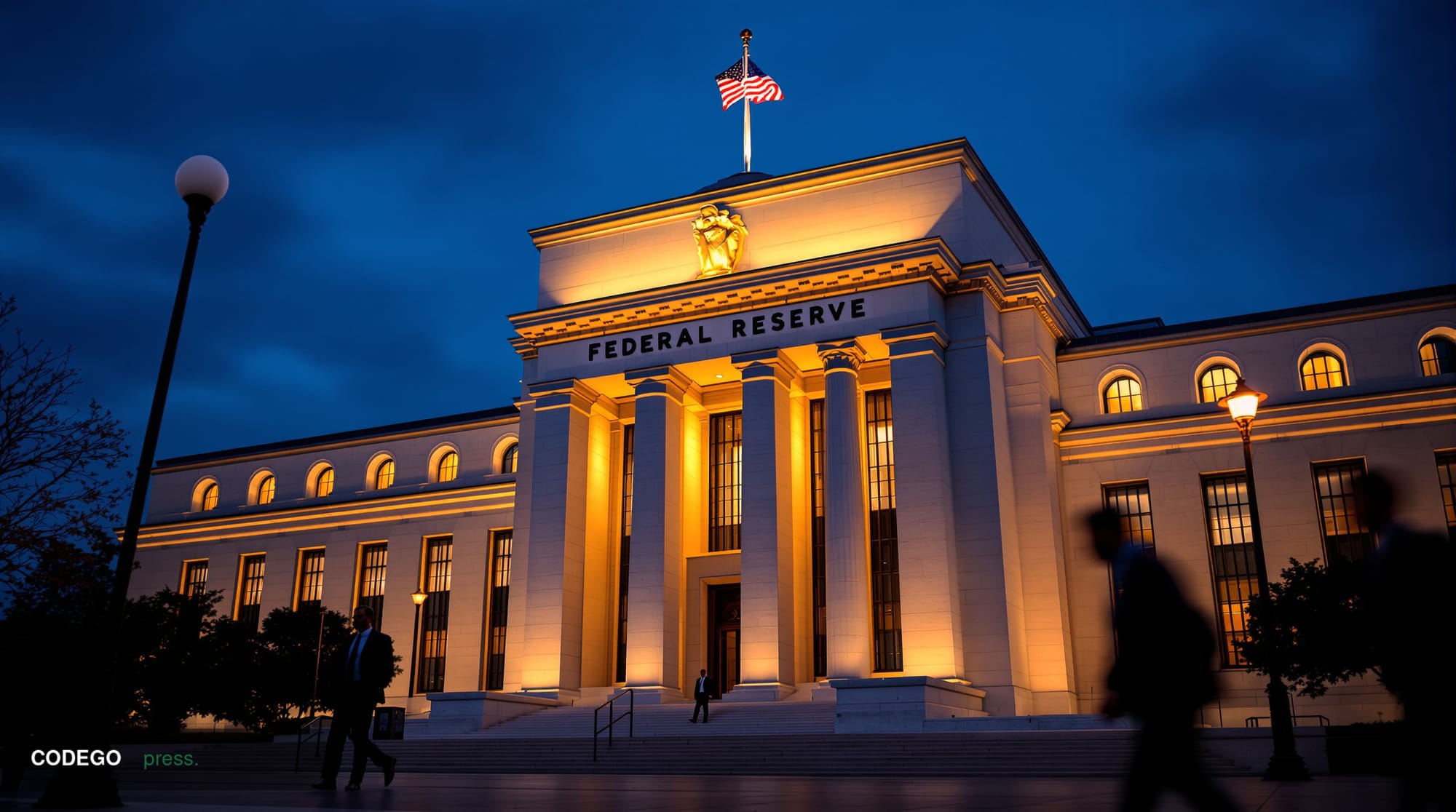
The Federal Reserve has unveiled a proposal for streamlined payment account access that could reshape how cryptocurrency and fintech companies interact with the traditional banking system. The central bank's new "skinny" payment account framework represents a significant policy shift, offering a potentially faster pathway for digital asset firms to access critical payment infrastructure while maintaining regulatory oversight.
The proposal comes as financial technology companies and cryptocurrency firms have long struggled to secure banking relationships and access to payment systems that are essential for their operations. Traditional banks have often been reluctant to serve these sectors due to regulatory uncertainty and compliance concerns, creating barriers that have limited innovation in digital finance.
Under the Fed's proposed framework, eligible fintech and crypto companies would gain access to a limited set of payment services through what regulators are calling "skinny" accounts. This designation suggests these accounts would offer core payment functionality while potentially restricting certain activities that full-service banking relationships typically include. The structure appears designed to balance industry access needs with prudential oversight requirements.
Regulatory Pause Signals Policy Recalibration
Alongside the new framework proposal, the Federal Reserve has announced a temporary pause on processing Tier 3 applications, indicating a broader reassessment of how the central bank evaluates requests for payment system access. This pause suggests regulators are taking time to ensure their evaluation processes align with the evolving regulatory landscape for digital assets and emerging financial technologies.
The timing of these announcements appears connected to recent policy directives from the Trump administration regarding cryptocurrency regulation. The Federal Reserve's move to seek public input on the skinny account framework reflects the complex balancing act regulators face as they attempt to foster financial innovation while maintaining system stability and consumer protection.
Industry Access Challenges
The proposed framework addresses long-standing challenges faced by legitimate cryptocurrency and fintech companies seeking to operate within the regulated financial system. Many firms in these sectors have found themselves effectively excluded from traditional banking services, forcing them to rely on less efficient workarounds or limiting their ability to serve customers effectively.
Financial institutions have historically approached crypto-related businesses with caution, citing concerns about anti-money laundering compliance, the volatility of digital assets, and unclear regulatory expectations. This cautious approach has created what industry participants often describe as a "banking desert" for cryptocurrency companies, even those operating in full compliance with existing regulations.
The Federal Reserve's proposal for skinny payment accounts could provide a structured pathway for vetted companies to access essential payment infrastructure without requiring traditional banks to take on the perceived risks of full banking relationships. This approach may help bridge the gap between innovation and regulation that has characterized the digital asset sector.
Implications for Financial Innovation
The Federal Reserve's initiative signals recognition that the current banking infrastructure may not adequately serve the evolving needs of the digital economy. By creating a specific framework for fintech and crypto firms, regulators are acknowledging the legitimacy of these sectors while maintaining appropriate oversight mechanisms.
The proposal's emphasis on seeking public input suggests the Federal Reserve is committed to developing policies that reflect industry realities and stakeholder needs. This collaborative approach could help ensure the final framework strikes an appropriate balance between accessibility and prudential regulation.
For the broader financial services industry, the skinny payment account proposal represents a potential model for how regulators might address the challenges of supervising emerging technologies without stifling innovation. The framework could serve as a template for similar initiatives addressing other areas where traditional regulatory approaches may not fully accommodate new business models.
What This Means
The Federal Reserve's proposal for streamlined payment account access marks a pragmatic approach to integrating cryptocurrency and fintech companies into the regulated financial system. By offering a middle path between full exclusion and unrestricted access, regulators are attempting to foster innovation while maintaining oversight capabilities. The success of this framework could influence how other regulatory agencies approach emerging financial technologies and may help establish the United States as a more accommodating jurisdiction for legitimate digital asset businesses. As the public comment period proceeds, industry stakeholders will have an opportunity to shape policies that could define the relationship between traditional finance and digital innovation for years to come.
Written by the editorial team — independent journalism powered by Codego Press.