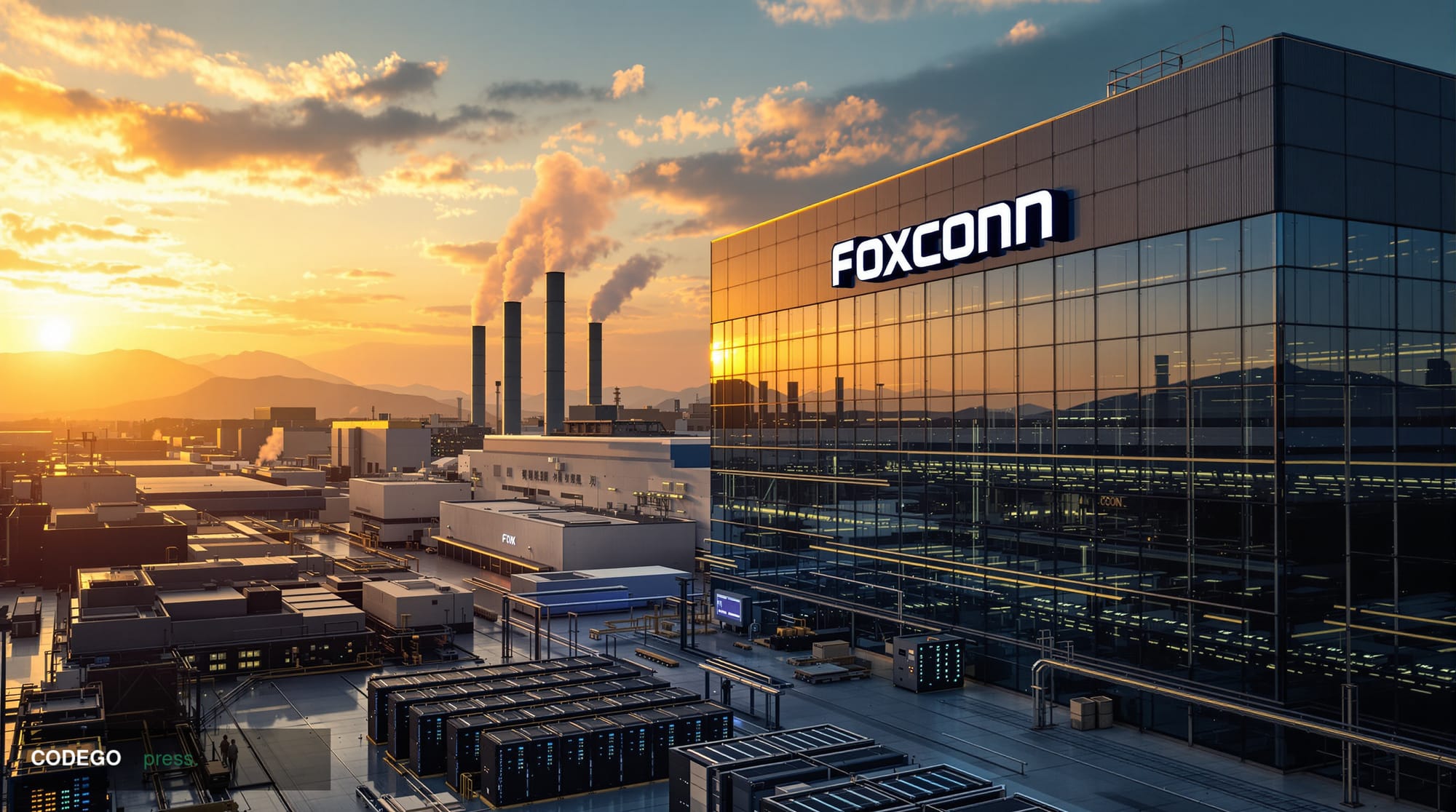
The artificial intelligence infrastructure boom has reached a pivotal inflection point, with Foxconn chairman positioning the Taiwanese electronics giant at the center of a massive industry transformation. As cloud computing titans commit an unprecedented $700 billion toward infrastructure development, the world's largest contract manufacturer is doubling down on AI capabilities, signaling a fundamental shift in how technology companies approach manufacturing and data processing.
This extraordinary capital deployment by cloud infrastructure providers represents one of the largest coordinated technology investments in modern history. The $700 billion commitment spans data center construction, semiconductor procurement, and advanced manufacturing partnerships—creating a ripple effect throughout the entire technology supply chain. For Foxconn, traditionally known for assembling consumer electronics, this presents both an unprecedented opportunity and a strategic imperative to evolve beyond conventional manufacturing.
The chairman's bullish stance on AI infrastructure reflects broader industry recognition that artificial intelligence workloads require fundamentally different manufacturing approaches compared to traditional electronics. Unlike smartphone or laptop production, AI infrastructure demands specialized cooling systems, advanced power management, and precision assembly of high-performance computing components. Foxconn's decades of manufacturing expertise, combined with its proximity to Taiwan's semiconductor ecosystem, positions the company advantageously within this emerging landscape.
Geopolitical Complexities Shape Infrastructure Decisions
However, this AI infrastructure gold rush unfolds against a backdrop of escalating geopolitical tensions that could significantly impact investment returns and operational continuity. Taiwan's central role in global semiconductor production—and by extension, AI infrastructure—creates both strategic advantages and vulnerabilities for companies like Foxconn. The island's position in ongoing US-China technology competition means that infrastructure investments carry inherent political risks alongside market uncertainties.
Market dependencies further complicate the growth trajectory for AI infrastructure providers. The current boom relies heavily on sustained demand from major cloud platforms and enterprise customers, creating concentration risks that could amplify during economic downturns. Additionally, the specialized nature of AI hardware means supply chain disruptions could have cascading effects across the entire ecosystem, potentially impacting the substantial investments being deployed by cloud giants.
The convergence of massive capital commitments and technological transformation also raises questions about infrastructure efficiency and utilization rates. While the $700 billion investment demonstrates industry confidence in AI's long-term potential, the rapid pace of technological advancement in artificial intelligence could render some infrastructure investments obsolete more quickly than traditional technology cycles would suggest.
Manufacturing Evolution Meets Market Reality
For Foxconn, success in this new paradigm requires navigating both technological complexity and market volatility. The company's traditional strengths in cost optimization and production scale must evolve to accommodate the precision requirements and performance specifications demanded by AI workloads. This evolution extends beyond manufacturing processes to encompass supply chain management, quality control, and customer relationship dynamics with cloud infrastructure providers.
The timing of these investments coincides with broader questions about AI infrastructure sustainability and long-term profitability. As cloud giants deploy unprecedented capital toward infrastructure expansion, the pressure to generate returns on these investments will likely intensify competition and potentially compress margins across the supply chain. Foxconn's ability to maintain profitability while investing in AI capabilities will serve as a crucial test of the company's strategic positioning.
The chairman's confidence in AI infrastructure growth ultimately reflects a calculated bet on sustained technological advancement and enterprise adoption. However, the magnitude of current investments suggests that any significant slowdown in AI adoption or shifts in technological direction could have substantial implications for companies positioning themselves within this ecosystem. The next several quarters will prove critical in determining whether these massive infrastructure commitments deliver the anticipated returns or represent an overextension based on inflated expectations.
Written by the editorial team — independent journalism powered by Codego Press.