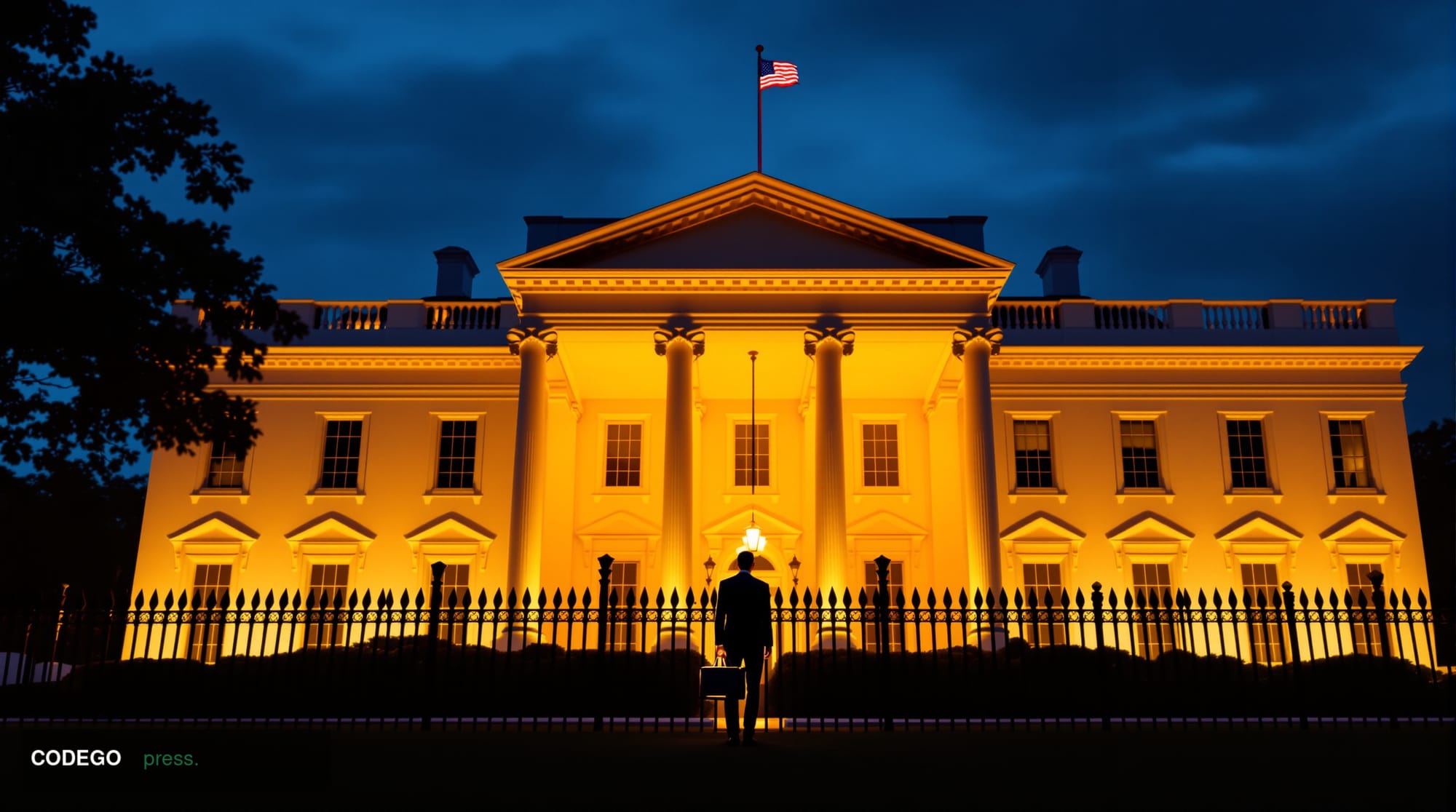
The disgraced founder of collapsed cryptocurrency exchange FTX has formally submitted a petition for presidential clemency, marking a bold legal gambit despite President Trump's previous public rejection of such a possibility. Sam Bankman-Fried's formal pardon application represents a high-stakes attempt to circumvent his criminal conviction through executive intervention, even as the administration has already signaled its unwillingness to extend such mercy.
The move underscores the extraordinary lengths to which the former cryptocurrency mogul is willing to pursue relief from his legal predicament. Trump's earlier dismissal of a potential pardon for Bankman-Fried had appeared to close this particular avenue of legal recourse, making the formal application a surprising development that highlights the defendant's persistent pursuit of all available options.
Executive Clemency as Last Resort
Presidential pardons represent one of the most powerful and unreviewable executive privileges, capable of wiping away federal criminal convictions entirely. For white-collar defendants facing lengthy prison sentences, clemency petitions often serve as final appeals when traditional legal channels have been exhausted. The formal nature of Bankman-Fried's application suggests a structured legal strategy rather than a desperate last-minute plea.
The timing of this petition carries particular significance given the current political climate surrounding cryptocurrency regulation. The Trump administration has maintained a complex relationship with the digital asset sector, alternating between supportive rhetoric for blockchain innovation and harsh criticism of fraudulent schemes that have damaged investor confidence.
Political Calculus Behind the Decision
Bankman-Fried's decision to proceed despite Trump's prior rejection reveals the calculated nature of his legal team's approach. Presidential positions on clemency can evolve based on changing circumstances, new information, or shifting political considerations. The formal application preserves the option while potentially opening channels for renewed dialogue about the case's broader implications for the cryptocurrency industry.
The FTX collapse sent shockwaves through global financial markets and prompted intense scrutiny of cryptocurrency exchange practices. Regulatory authorities worldwide have since implemented stricter oversight measures, while prosecutors have pursued criminal cases against multiple figures in the crypto ecosystem. This enforcement wave has created a complex backdrop against which clemency decisions must be evaluated.
Implications for Crypto Governance
The pardon application raises broader questions about accountability standards in the rapidly evolving digital asset space. Financial regulators have emphasized the importance of holding executives responsible for investor losses, particularly when fraud allegations are involved. Any presidential intervention would need to balance individual clemency considerations against the signal such action might send to other cryptocurrency operators.
Industry observers have noted that the cryptocurrency sector's legitimacy depends partly on demonstrating that bad actors face meaningful consequences for violations of investor trust. The outcome of Bankman-Fried's clemency petition could influence how future enforcement actions are perceived and whether executives believe they can escape accountability through political channels.
The formal nature of this pardon application, despite the President's previous position, demonstrates the persistent legal maneuvering surrounding one of the cryptocurrency industry's most significant criminal cases. Whether Trump will reconsider his earlier stance remains an open question that could have far-reaching implications for both the defendant and the broader digital asset ecosystem's relationship with federal enforcement priorities.
Written by the editorial team — independent journalism powered by Codego Press.