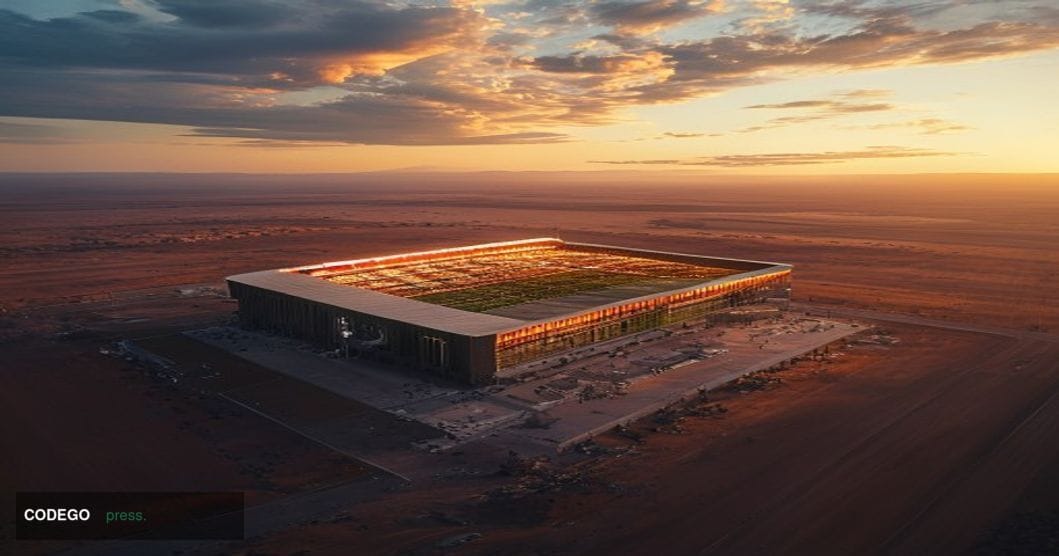
Galaxy Digital, the crypto-focused financial services firm founded by Mike Novogratz, has secured a 15-year naming rights agreement with Texas Tech University, under which the university's iconic football stadium will be rebranded under the Galaxy Digital name. The deal represents one of the more consequential branding moves in the digital assets industry's ongoing effort to plant roots in mainstream American sports culture — and signals a deliberate, long-horizon bet on the future of cryptocurrency adoption in one of the country's most strategically significant states.
College football stadiums are among the most visible pieces of real estate in American public life. Tens of thousands of fans pass through their gates on game days, television cameras broadcast their names to national audiences, and their identities become inseparable from the communities that surround them. A 15-year commitment to naming rights at a major university is not a marketing experiment — it is an institutional declaration of intent, the kind of long-term positioning move more commonly associated with established financial giants than with firms still working to legitimize an entire asset class in the eyes of mainstream consumers.
For Galaxy Digital, the choice of Texas Tech is far from arbitrary. The university sits in Lubbock, at the heart of West Texas — a region that has become increasingly important to the broader crypto economy, particularly as energy-intensive bitcoin mining operations have migrated toward states with favorable regulatory climates, abundant land, and access to power infrastructure. Texas has emerged as one of the premier destinations for crypto investment in the United States, drawing miners, venture capital, and blockchain-focused businesses alike with its light-touch regulatory posture and pro-business governance framework.
The 15-year duration of the naming rights agreement deserves particular emphasis. In an industry often characterized by short-term speculation, quarterly pivots, and companies that appear and disappear with the market cycle, a decade-and-a-half commitment is a striking statement. It suggests that Galaxy Digital's leadership is building toward something durable — a brand presence in West Texas that will outlast individual market downturns and be measured not in trading cycles but in generations of college students and sports fans who will associate the Galaxy name with one of the region's most beloved institutions.
Stadium naming rights deals have long served as barometers of industry ambition. When financial services firms, insurance companies, and airlines attach their names to major sporting venues, they are buying far more than advertising impressions — they are purchasing cultural legitimacy. The crypto industry has pursued this strategy before, most famously when Coinbase secured naming rights to the Staples Center in Los Angeles, rebranding it as the Crypto.com Arena in a deal that generated enormous visibility for the sector during the 2021 bull market. Galaxy Digital's Texas Tech agreement follows in that tradition, though the West Texas context carries its own distinct resonance — one rooted in energy, land, and a culture of independent enterprise that aligns naturally with crypto's ideological underpinnings.
Texas itself has become an unlikely but powerful symbol of the crypto industry's geographic diversification away from Silicon Valley and New York. The state's political leadership has been broadly receptive to blockchain-related businesses, and its energy market — despite challenges — offers the kind of flexible, market-driven power pricing that large-scale crypto operations depend upon. Galaxy Digital's expanded footprint in West Texas, anchored now by a highly visible stadium naming deal, positions the firm to deepen relationships with local institutions, political figures, and the growing community of investors and entrepreneurs drawn to the region.
The financial terms of the naming rights agreement were not disclosed in full, which is common for university branding deals of this nature. However, 15-year naming rights arrangements at major college football programs routinely carry valuations in the tens of millions of dollars over the life of the contract, reflecting the sustained brand exposure and community integration such deals provide.
What This Means for Crypto's Institutional Ambitions
Galaxy Digital's Texas Tech deal is best understood not as a marketing play but as an infrastructure investment in brand permanence. As the digital assets industry matures and competes for institutional capital, retail trust, and regulatory goodwill, the ability to project stability and long-term commitment becomes a competitive differentiator. Anchoring a major crypto firm's name to a beloved regional university for 15 years does precisely that — it embeds Galaxy Digital into the social fabric of West Texas in ways that no advertisement campaign could replicate. For an industry that has spent years fighting perceptions of impermanence and instability, this is the kind of move that changes narratives over time, one football season at a time.
Written by the editorial team — independent journalism powered by Codego Press.