Republican senators are mounting pressure on the nation's top banking regulators to fundamentally reconsider how financial institutions handle Bitcoin investments, a move that could dramatically reshape institutional cryptocurrency adoption across the United States.
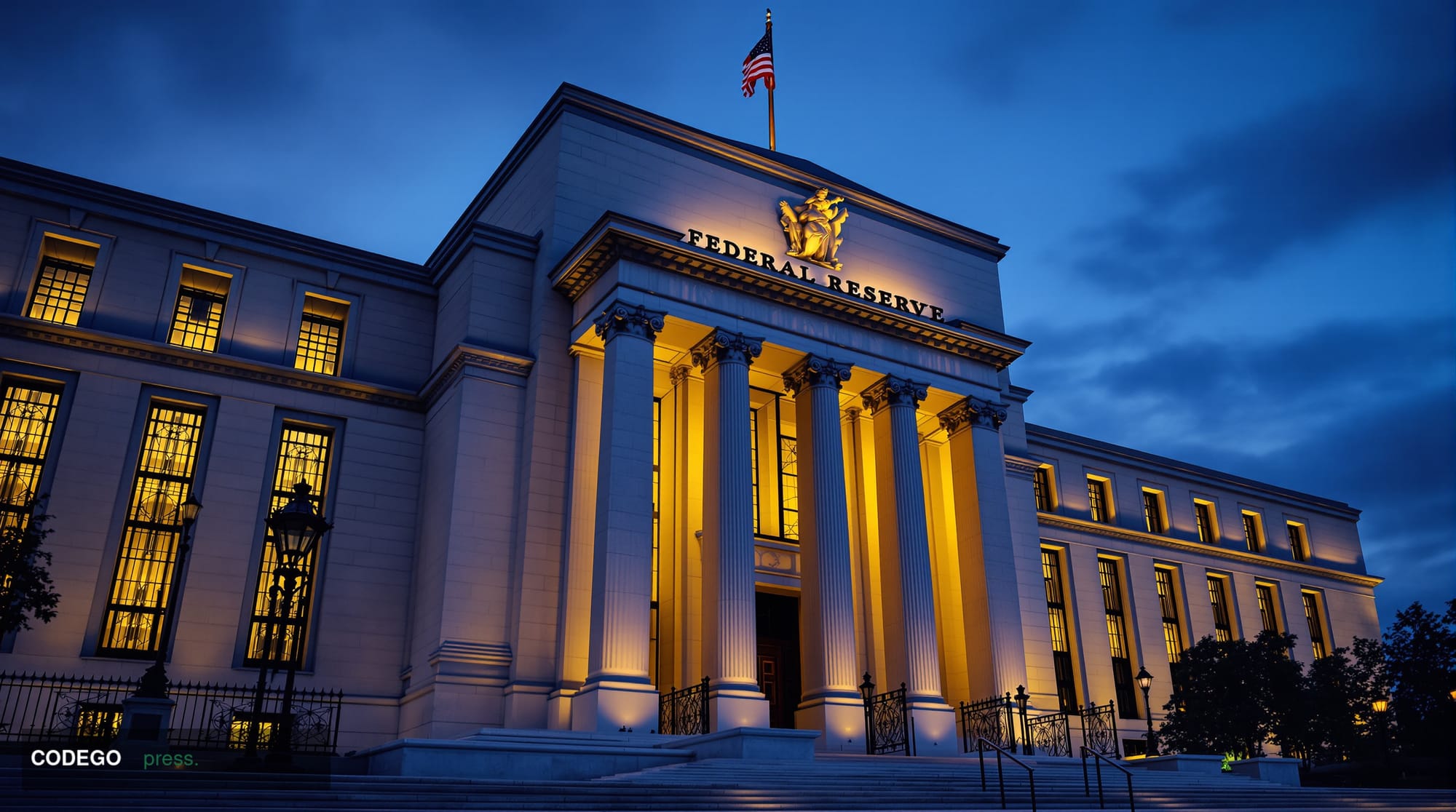
The senators have directed their appeal to three of the most influential regulatory bodies overseeing American banking: the Federal Reserve, the Federal Deposit Insurance Corporation (FDIC), and the Office of the Comptroller of the Currency (OCC). Each of these agencies plays a critical role in establishing the capital requirements that determine how much reserve capital banks must hold against various asset classes, including digital currencies like Bitcoin.
The current regulatory framework treats Bitcoin and other cryptocurrencies with significant caution, requiring banks to maintain substantial capital buffers when holding these assets. This conservative approach stems from concerns about volatility, liquidity risks, and the relatively nascent nature of digital asset markets. However, these stringent capital requirements have effectively created high barriers to entry for traditional financial institutions seeking to offer cryptocurrency services or hold Bitcoin on their balance sheets.
The Republican initiative reflects a broader shift in political attitudes toward cryptocurrency regulation, particularly as Bitcoin has matured from a speculative experiment into an asset class attracting serious institutional attention. Major corporations, pension funds, and investment firms have increasingly allocated portions of their portfolios to Bitcoin, viewing it as both a hedge against inflation and a store of value comparable to digital gold.
For traditional banks, the current capital rule structure creates a significant competitive disadvantage. While non-bank financial institutions can more freely engage with cryptocurrency markets, federally regulated banks face substantially higher compliance costs and capital allocation requirements. This regulatory disparity has pushed much of the institutional Bitcoin market toward less regulated entities, potentially creating systemic risks that stricter bank oversight might otherwise mitigate.
The potential revision of these capital rules could unlock substantial institutional demand for Bitcoin. Banks represent some of the largest pools of capital in the global financial system, and their entry into cryptocurrency markets could provide both liquidity and legitimacy to digital asset trading. This institutional participation might also contribute to reduced volatility over time, as bank treasuries typically employ more conservative trading strategies than hedge funds or proprietary trading firms.
However, the regulatory agencies face competing pressures in evaluating these requests. While easing capital requirements could boost innovation and competitiveness in American financial markets, regulators must also consider the safety and soundness of the banking system. Bitcoin's price volatility, while diminished compared to its early years, remains significant relative to traditional bank assets like government bonds or investment-grade corporate debt.
The timing of this senatorial intervention coincides with broader regulatory developments affecting cryptocurrency markets. The Securities and Exchange Commission has been clarifying its approach to digital asset classification, while the Commodity Futures Trading Commission has expanded its oversight of cryptocurrency derivatives markets. A coordinated regulatory framework that addresses both market integrity and institutional access could provide the clarity that financial institutions have long sought.
The outcome of this regulatory debate will likely influence the trajectory of cryptocurrency adoption well beyond American borders. As the world's largest financial market, changes to US banking regulations often establish precedents that other jurisdictions follow. European and Asian regulators closely monitor American policy developments, particularly regarding systemically important financial institutions and emerging asset classes.
If the senators succeed in prompting regulatory revision, the resulting changes could fundamentally alter the competitive landscape for cryptocurrency services. Traditional banks might rapidly develop digital asset custody, trading, and investment products that currently remain the domain of specialized cryptocurrency firms. This shift could accelerate mainstream adoption while potentially reshaping the entire digital asset ecosystem around established financial infrastructure rather than alternative platforms.
Written by the editorial team — independent journalism powered by Codego Press.