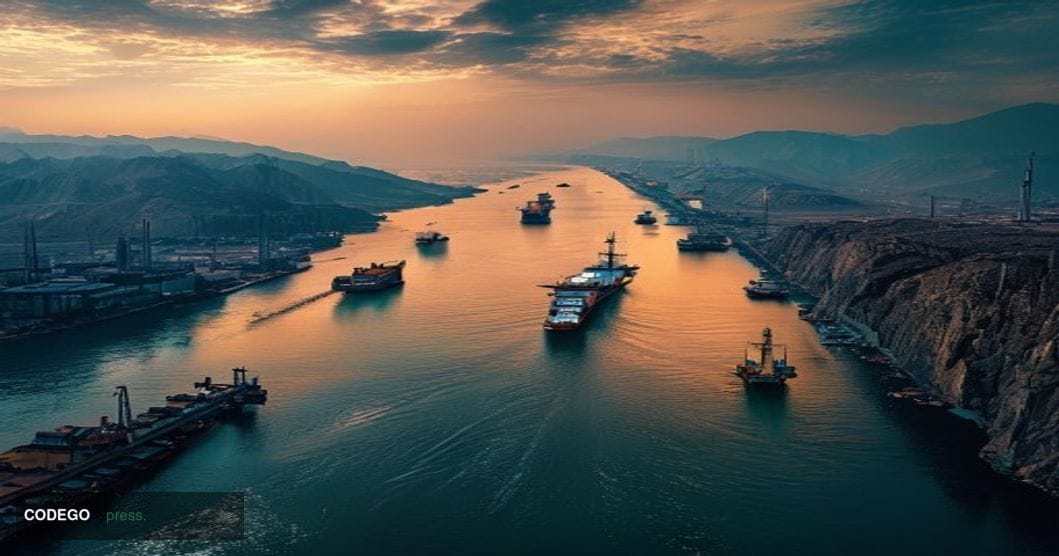
The escalating conflict involving Iran has sent shockwaves through global energy markets, creating a cascade of disruptions that extend far beyond the immediate theater of operations. As geopolitical tensions intensify across the Gulf region, crude oil prices are experiencing significant volatility that threatens to reshape the economic landscape worldwide.
The strategic importance of the Gulf cannot be overstated in the context of global energy security. This region serves as a critical artery for international oil transport, with approximately 20% of the world's petroleum liquids passing through the Strait of Hormuz alone. When conflicts emerge in this area, the reverberations are felt across every major economy, from manufacturing hubs in Asia to financial centers in Europe and North America.
Current market dynamics reveal the profound interconnectedness of geopolitical stability and energy pricing. The sustained volatility emerging from Gulf tensions represents more than temporary price fluctuations—it signals a fundamental shift in how global markets assess risk in energy supply chains. Financial institutions worldwide are recalibrating their exposure to energy-dependent sectors, while central banks monitor inflation indicators that could be dramatically affected by prolonged energy price instability.
The ripple effects extend beyond immediate energy consumers to encompass the broader financial ecosystem. Transportation costs, manufacturing inputs, and agricultural operations all face pressure from volatile energy pricing. For fintech companies operating in emerging markets particularly dependent on energy imports, currency volatility linked to oil price swings creates additional layers of operational complexity. Digital payment platforms and cross-border financial services must navigate increased exchange rate fluctuations as nations adjust their monetary policies in response to energy cost pressures.
Banking institutions face particular challenges as energy sector lending becomes increasingly complex. Traditional project financing models must account for heightened geopolitical risk premiums, while trade finance operations grapple with supply chain disruptions that affect letter of credit arrangements and commodity trading. The intersection of energy market volatility and financial services creates a web of interconnected risks that require sophisticated risk management approaches.
Central banks worldwide are closely monitoring these developments as they consider monetary policy responses. Sustained energy price volatility can quickly translate into inflationary pressures that complicate interest rate decisions. The European Central Bank and other major institutions must balance economic growth objectives against the need to contain inflation driven by external energy shocks.
Looking ahead, the implications for global economic stability extend beyond immediate price volatility. Energy market disruptions of this magnitude can accelerate structural changes in how economies approach energy security and financial resilience. Nations may reassess their strategic petroleum reserves, while financial markets could see increased investment flows toward alternative energy infrastructure and energy-independent economic sectors.
The current crisis underscores the critical need for diversified energy portfolios and robust financial frameworks capable of withstanding geopolitical shocks. As tensions continue to influence global energy markets, the sustained volatility threatens to reshape investment patterns, monetary policies, and international trade relationships in ways that will define economic conditions for years to come. The challenge for policymakers and financial institutions lies in maintaining stability while adapting to a fundamentally altered risk environment.
Written by the editorial team — independent journalism powered by Codego Press.