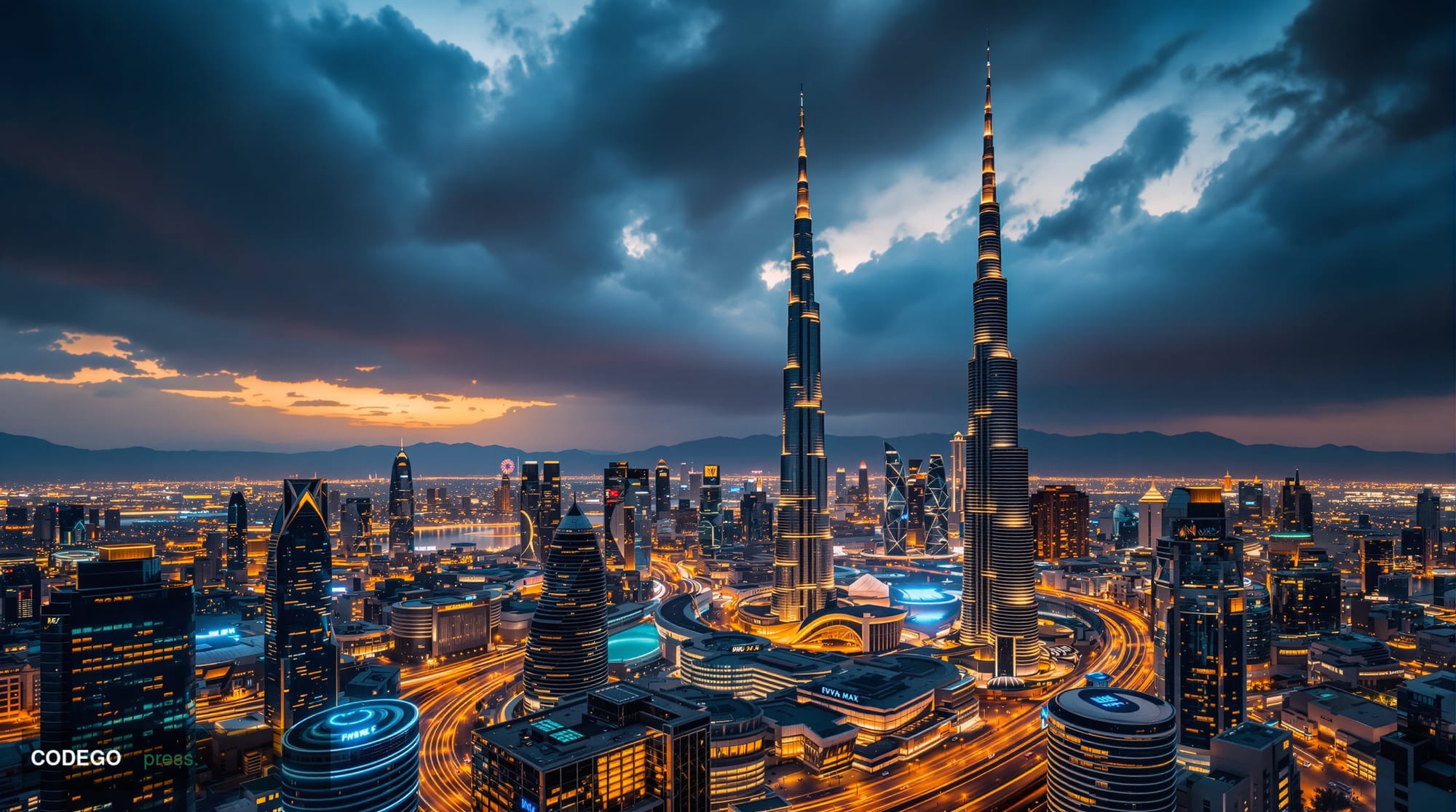
The escalating conflict with Iran has triggered a significant investment downturn across Gulf states, forcing sovereign wealth funds and financial institutions in the region to reassess their global market strategies amid mounting geopolitical pressures. This strategic retreat threatens to disrupt international capital flows and reshape the emerging cryptocurrency landscape in ways that could reverberate through global markets for years to come.
Gulf states, traditionally among the world's most aggressive institutional investors through their massive sovereign wealth funds, are experiencing reduced investment capacity as regional security concerns take precedence over international portfolio expansion. The conflict has fundamentally altered risk calculations for institutions that have historically deployed hundreds of billions of dollars across global markets, from technology startups in Silicon Valley to real estate developments in major metropolitan areas worldwide.
The implications extend far beyond traditional asset classes, with cryptocurrency markets facing particular volatility as Gulf investment flows undergo dramatic restructuring. Regional financial institutions have been pivotal in driving institutional adoption of digital assets, with several Gulf states positioning themselves as cryptocurrency hubs through progressive regulatory frameworks and substantial capital commitments. The current geopolitical crisis threatens to undermine these carefully constructed strategies, potentially slowing the maturation of global crypto markets that have come to rely on Middle Eastern capital.
Financial markets are already beginning to reflect the uncertainty surrounding Gulf investment patterns. The region's sovereign wealth funds, including the Saudi Arabian Public Investment Fund and Abu Dhabi Investment Authority, have historically provided crucial liquidity during market downturns and served as anchor investors for major financial innovations. Their reduced participation capacity could create funding gaps in sectors ranging from renewable energy to financial technology, where Gulf capital has been instrumental in driving growth and innovation.
The reshaping of crypto flows represents a particularly acute challenge for the digital asset ecosystem. Gulf states have invested heavily in blockchain infrastructure and cryptocurrency exchanges, viewing digital assets as a cornerstone of their economic diversification strategies away from oil dependence. Several regional financial centers, including Dubai International Financial Centre and the Qatar Financial Centre, have established comprehensive regulatory frameworks designed to attract global cryptocurrency businesses and serve as bridges between traditional finance and digital assets.
Long-term economic strategies across the Gulf region now face fundamental recalibration as defense spending priorities compete with development investment for available resources. The conflict has forced governments to redirect capital toward military capabilities and domestic security, constraining the financial resources available for ambitious economic transformation projects. This shift particularly affects plans to establish the region as a global financial hub capable of competing with established centers in New York, London, and Hong Kong.
The broader implications for global financial stability remain unclear, but the potential for sustained Gulf investment restraint poses risks to market liquidity and innovation funding worldwide. International financial institutions have grown accustomed to Gulf capital as a reliable source of patient, long-term investment that supports both established markets and emerging technologies. The current disruption could force a restructuring of global capital allocation patterns, potentially slowing economic development in regions that have benefited from Gulf investment flows.
What emerges from this crisis will likely reshape not only regional financial strategies but also the global architecture of institutional investment. The Gulf states' response to current challenges may determine whether the region maintains its position as a crucial node in international finance or retreats into a more defensive posture focused primarily on domestic priorities. For cryptocurrency markets and global financial innovation, the stakes could not be higher as a key source of institutional capital faces unprecedented constraints.
Written by the editorial team — independent journalism powered by Codego Press.