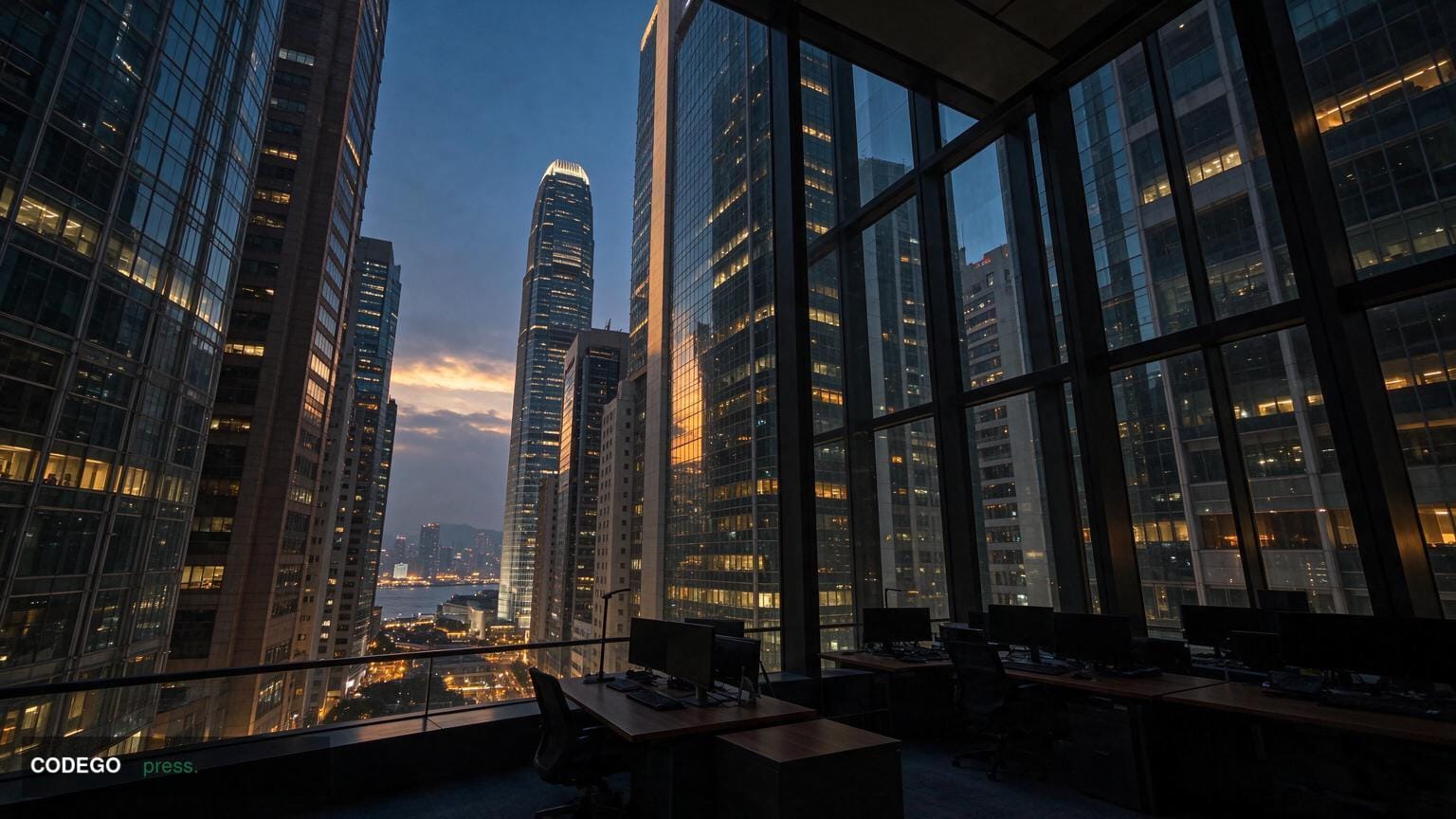
Auros, a cryptocurrency trading and market-making firm headquartered in Hong Kong, is reportedly in the process of winding down its business operations, according to two individuals with direct knowledge of the situation. The firm has declined to respond to requests for comment from multiple news media outlets, leaving the market-making community and the broader digital-asset industry to piece together the implications of yet another institutional exit from the crypto trading space.
Market makers occupy a structurally critical role in any functioning financial market, and within the cryptocurrency ecosystem their importance is amplified considerably. These firms provide the continuous two-sided liquidity — simultaneous buy and sell quotes — that allows exchanges to function with tight spreads, deeper order books, and reduced price impact for ordinary traders. The withdrawal of a significant market-making participant does not merely affect that firm's shareholders; it ripples outward through every venue and every asset pair the firm quoted, tightening liquidity and in some cases widening bid-ask spreads in ways that retail and institutional participants alike will feel.
Auros had established itself as a recognizable name in the professional crypto trading landscape, operating from Hong Kong at a time when the city-state was actively attempting to position itself as a regulated hub for digital-asset activity. The Securities and Futures Commission of Hong Kong had in recent years constructed a licensing framework intended to attract credible crypto businesses, and market makers of Auros's profile were considered emblematic of the institutional-grade participants that framework was designed to serve. The firm's apparent decision to cease operations therefore carries significance beyond its own balance sheet.
The sourcing of this report — two unnamed individuals familiar with the situation — is worth examining carefully. In the absence of any official statement from Auros, the market is operating on corroborated but unconfirmed intelligence. The firm's silence in response to media inquiries is itself a data point; in the financial industry, companies that are navigating solvent strategic pivots generally issue measured communications, while silence more typically accompanies restructurings, creditor negotiations, or regulatory entanglements that make public disclosure legally or commercially sensitive. None of these explanations can be confirmed without an official statement, but the silence is conspicuous.
This development arrives against a broader backdrop of continued consolidation in the cryptocurrency market-making sector. The industry endured a severe shake-out in the 2022-2023 period following the collapse of several large trading firms and the implosion of a number of crypto exchanges and lending platforms. That period forced a painful reckoning with leverage, counterparty risk, and the speed at which institutional confidence in a sector can evaporate. Firms that survived that cycle did so by tightening risk controls, reducing balance-sheet exposure, and in many cases scaling back the breadth of their market-making activities. The current environment — characterised by both regulatory tightening across multiple jurisdictions and shifting liquidity dynamics across digital-asset markets — continues to place pressure on the economics of professional trading operations.
Hong Kong's ambitions as a digital-asset hub also warrant scrutiny in this context. The city's regulatory authorities have invested considerable political and institutional capital in constructing frameworks designed to attract credible participants while maintaining investor protections. The departure of an established market-making firm, whatever the internal causes, inevitably raises questions about whether the operating environment — encompassing compliance costs, capital requirements, and market conditions — is sufficiently supportive of the institutional crypto businesses regulators sought to cultivate. Competing jurisdictions, including Singapore, Dubai, and several European Union member states operating under the Markets in Crypto-Assets regulatory framework, will be watching closely.
It is also worth noting what remains unknown. The source reporting provides no detail on the financial condition of Auros, the specific timeline of the wind-down, whether any clients or counterparties face outstanding obligations, or whether regulatory authorities in Hong Kong have been formally notified. These are not minor omissions — they are the central questions that determine whether this event represents an orderly, self-directed strategic exit or something more disorderly with potential contagion effects on venues that relied on Auros for liquidity provision.
What This Means for the Industry
For digital-asset exchanges, trading desks, and institutional participants who may have had commercial relationships with Auros, the immediate priority is counterparty exposure assessment. For the broader market, the episode reinforces a lesson that the crypto industry has learned repeatedly at great cost: liquidity can appear robust until, very suddenly, it is not. The concentration of market-making activity among a relatively small number of professional firms means that the exit of any one participant — regardless of the specific cause — creates structural gaps that take time and capital to fill. Regulators and exchanges alike would be well-served by treating this reported wind-down as a prompt to examine the resilience of their liquidity ecosystems before those gaps become crises.
Written by the editorial team — independent journalism powered by Codego Press.