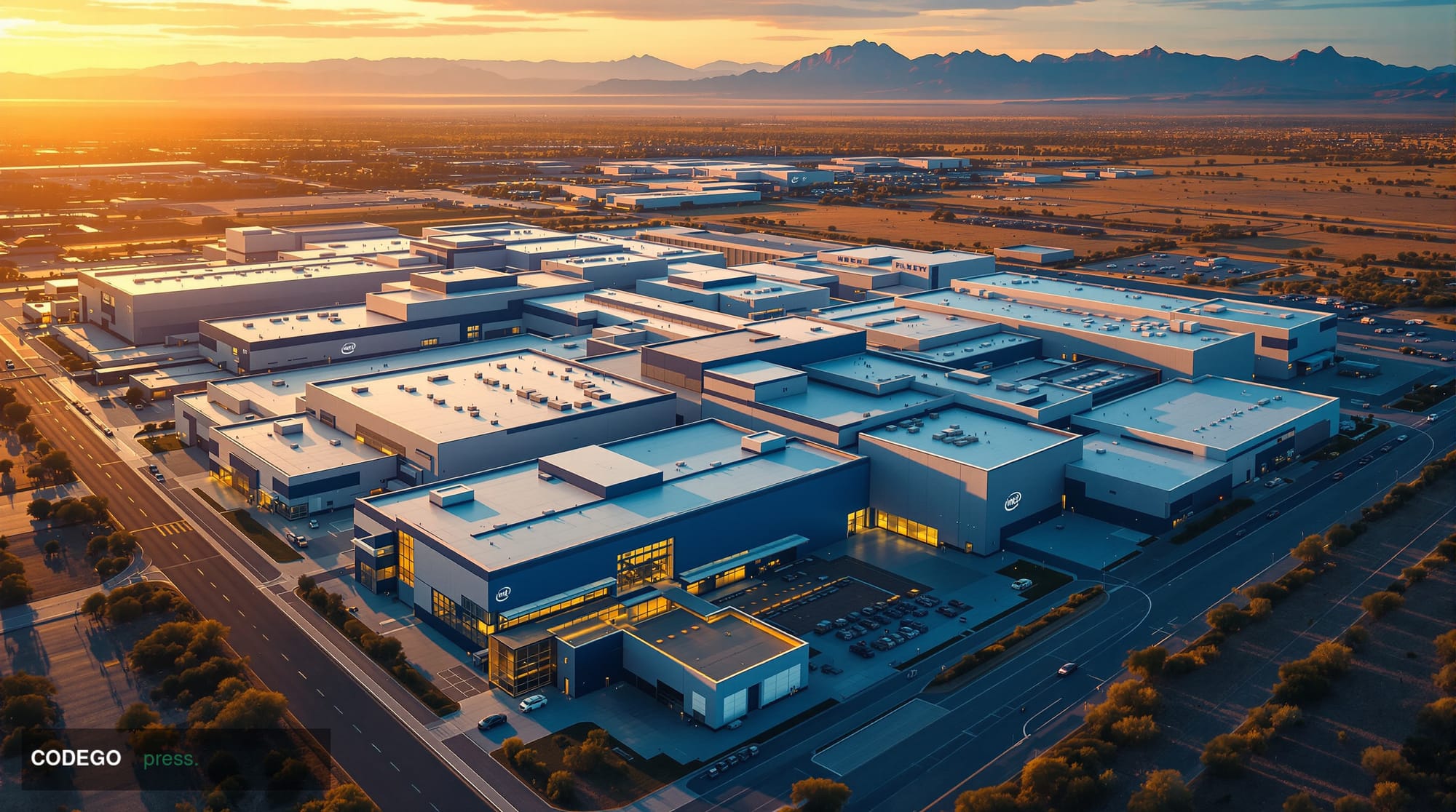
The semiconductor industry witnessed a watershed moment as Intel shares surged on news of a potential chip manufacturing deal with Apple, propelling both the S&P 500 and NASDAQ to record highs. This development represents more than a singular corporate partnership—it signals a fundamental realignment in how technology giants approach semiconductor supply chain strategy.
The market's enthusiastic response underscores investor recognition that diversified chip supply chains have evolved from operational preference to strategic imperative. For years, the technology sector's reliance on concentrated manufacturing hubs in Asia exposed companies to geopolitical tensions, natural disasters, and pandemic-related disruptions. Intel's advanced fabrication capabilities position the company as a critical enabler of supply chain resilience for major technology firms seeking alternatives to traditional manufacturing partners.
Apple's potential pivot toward Intel represents a particularly significant shift given the company's historical manufacturing relationships and its substantial influence on global semiconductor demand. The iPhone maker's chip requirements span from high-performance processors to specialized components, creating substantial revenue opportunities for manufacturing partners. Intel's ability to secure such a partnership demonstrates the company's technological advancement in fabrication processes and its competitive positioning against established foundry leaders.
Fabrication Excellence as Competitive Advantage
The potential deal highlights how advanced fabrication capabilities have become the primary differentiator in semiconductor manufacturing. Companies with cutting-edge production facilities and proven ability to meet stringent quality standards for consumer electronics giants command premium valuations. Intel's investments in next-generation manufacturing processes and domestic production capacity have positioned the company to capitalize on this industry transformation.
Market dynamics increasingly favor semiconductor companies that can demonstrate both technological sophistication and geographic diversification in their manufacturing operations. The convergence of national security considerations, supply chain risk management, and performance requirements has created a unique market opportunity for companies like Intel that can address all three concerns simultaneously.
The broader technology sector benefits from this diversification trend extend beyond individual company partnerships. Enhanced competition among fabrication providers typically leads to improved innovation cycles, more competitive pricing structures, and reduced systemic risks across the entire ecosystem. Financial markets have responded positively to these developments, recognizing that a more resilient semiconductor supply chain supports sustainable growth across multiple technology verticals.
Market Implications and Future Outlook
The record highs achieved by major stock indices following Intel's announcement reflect investor confidence in the technology sector's ability to navigate complex supply chain challenges while maintaining growth trajectories. This market reaction suggests that investors view supply chain diversification as a value-creating strategy rather than merely a risk mitigation measure.
For Intel specifically, securing partnerships with major technology companies validates the company's strategic pivot toward contract manufacturing while maintaining its position in proprietary chip development. This dual approach allows Intel to leverage its fabrication investments across multiple revenue streams, potentially improving capacity utilization and financial returns.
The success of this partnership model could accelerate similar arrangements between other technology companies and advanced fabrication providers. As companies increasingly prioritize supply chain resilience alongside cost optimization, the semiconductor manufacturing landscape may witness continued consolidation around providers with proven capabilities and strategic geographic positioning.
Intel's market performance and the broader indices' record highs demonstrate that financial markets recognize the strategic value of diversified semiconductor supply chains. This trend toward supply chain resilience, enabled by companies with advanced fabrication capabilities, appears positioned to drive continued innovation and investment in the semiconductor sector while providing technology companies with the operational flexibility necessary to navigate an increasingly complex global manufacturing environment.
Written by the editorial team — independent journalism powered by Codego Press.