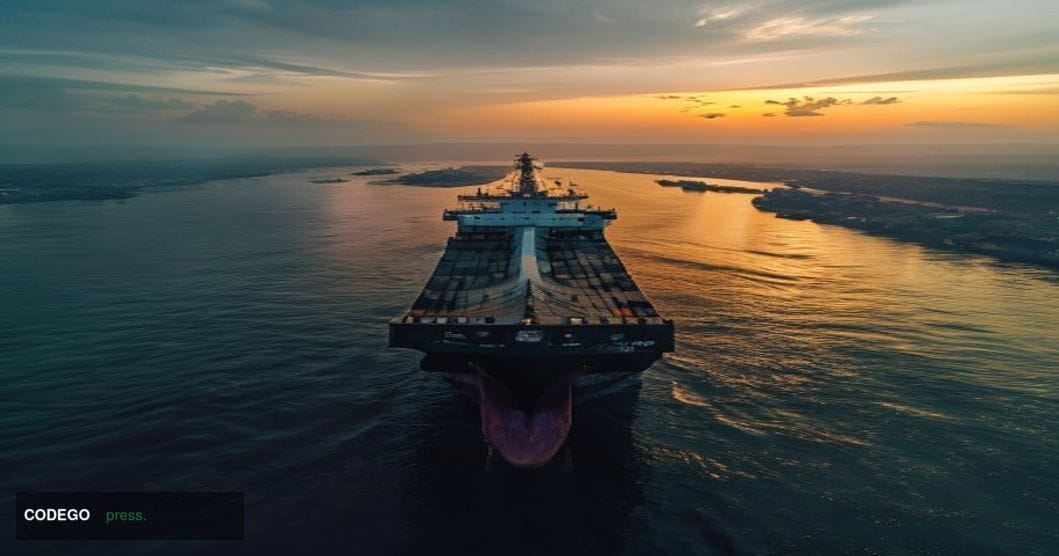
Iran has moved to block the Strait of Hormuz, one of the most strategically critical maritime chokepoints on the planet, in a dramatic escalation that threatens to sever a vital artery of global oil supply and send shockwaves through energy markets already straining under the weight of a deepening fuel crisis. The move, taken amid an active conflict, compounds geopolitical tensions to a degree not seen in years and raises acute questions about the long-term stability of the Iranian regime itself.
The Strait of Hormuz is no ordinary waterway. Connecting the Persian Gulf to the Gulf of Oman, it carries an estimated one-fifth of the world's oil supply on any given day, making it the single most important chokepoint in global energy logistics. Nations from the United States Energy Information Administration's top import-dependency lists to major Asian economies — China, Japan, South Korea, and India — route critical crude oil shipments through this narrow corridor. A prolonged blockade does not merely inconvenience trading desks; it restructures the entire global energy supply chain at a moment of extraordinary vulnerability.
The timing could hardly be worse. Global fuel markets were already contending with structural supply imbalances, inflationary pressure on energy costs, and the ongoing recalibration of supply chains that has characterized the post-pandemic economic era. Iran's blockade of the Strait exacerbates all of these pressures simultaneously. Spot crude prices can be expected to react with the severity that accompanies genuine supply disruption risk — not the speculative volatility of geopolitical posturing, but the hard repricing that comes when physical delivery of oil is genuinely in question.
For financial institutions and fintech operators with exposure to commodity markets, trade finance corridors, or cross-border payment flows tied to energy-exporting economies, the implications are immediate and multi-layered. Letters of credit backed by oil receivables, trade finance instruments issued against Persian Gulf cargo, and insurance underwriting for tanker routes through the Strait all face acute reassessment. The disruption ripples outward from the waterway itself into the balance sheets of banks and trading houses that structured deals on the assumption of uninterrupted passage.
The geopolitical dimensions extend well beyond oil pricing. The United Nations and major Western powers, including the NATO alliance, face renewed pressure to coordinate a response that balances deterrence against the risk of further escalation. The United States Fifth Fleet, headquartered in Bahrain, has historically served as the guarantor of free passage through the Strait — a role that now faces its most direct challenge in decades. Any military confrontation in the region carries the potential to transform a supply disruption into a protracted crisis with far deeper economic consequences.
Perhaps the most consequential undercurrent in the current situation concerns the internal condition of the Iranian state itself. The blockade and the conflict surrounding it have surfaced serious concerns about regime stability in Tehran and the future of its leadership. A government willing to undertake an action of this magnitude — one that invites international condemnation, potential military response, and certain economic retaliation — is one operating under extraordinary pressure. Whether the blockade represents a calculated act of strategic coercion or a leadership under siege making desperate moves, the uncertainty itself is destabilizing for markets that price risk on the assumption of rational state behavior.
Sanctions regimes coordinated by the U.S. Treasury's Office of Foreign Assets Control and the European Council will inevitably face pressure to tighten further in response to this escalation, adding another layer of compliance complexity for international banks operating in the region or processing payments connected to Iranian counterparties. Financial institutions that have already navigated years of Iran-related sanctions architecture must now prepare for a new round of regulatory tightening with potentially broader extraterritorial reach.
What This Means for Markets and the Financial Sector
The blockade of the Strait of Hormuz is not a localized shipping dispute — it is a systemic shock event with cascading implications for energy pricing, trade finance, sanctions compliance, and geopolitical risk premiums across asset classes. Banks, commodity traders, insurers, and fintech operators with any exposure to Persian Gulf energy flows must treat this as a scenario that demands immediate stress-testing of counterparty exposure and liquidity assumptions. The fuel crisis it exacerbates was already stretching household and corporate balance sheets globally. With Iran's regime stability itself now in question, the duration and ultimate resolution of this crisis remain deeply uncertain — and in financial markets, uncertainty of that magnitude has a price of its own.
Written by the editorial team — independent journalism powered by Codego Press.