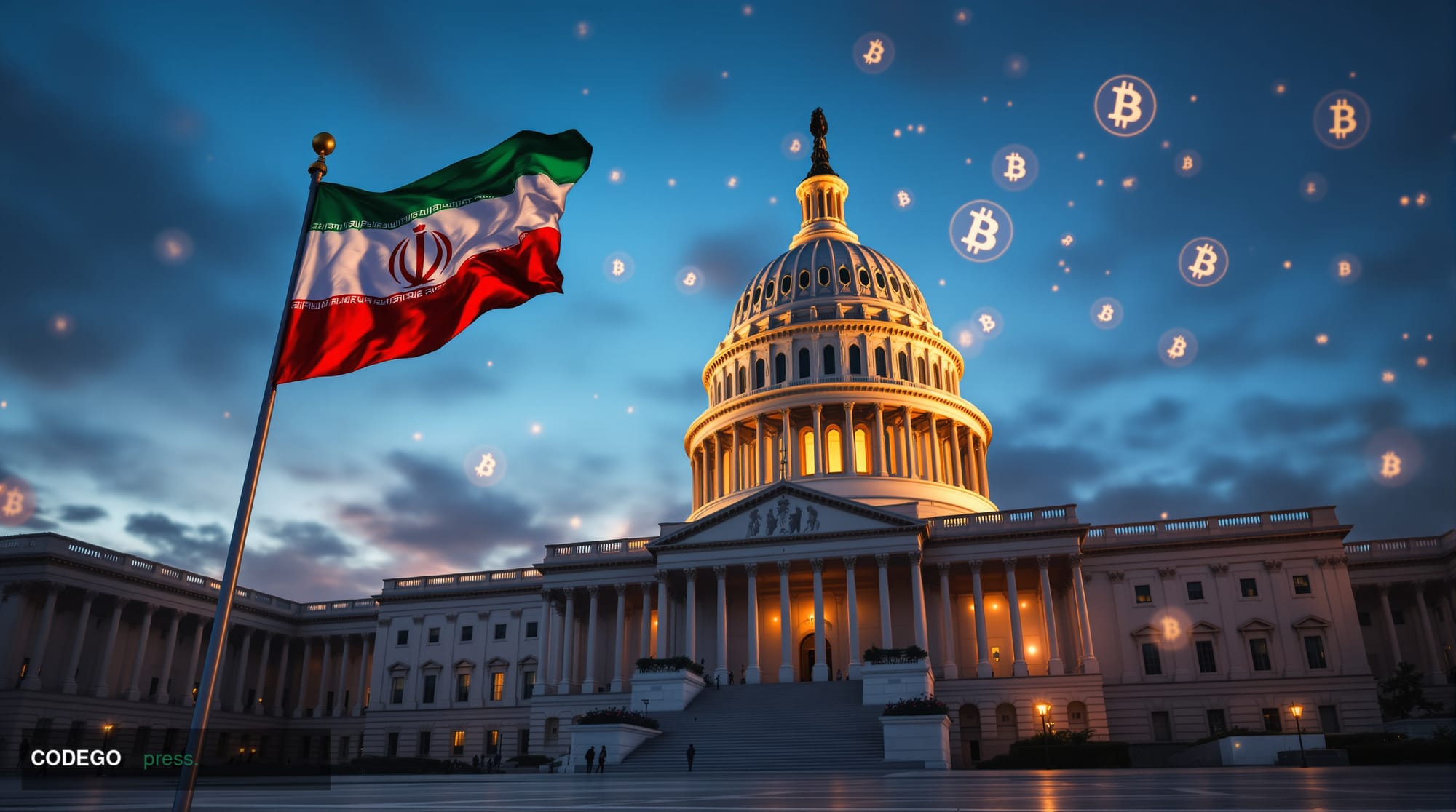
A potential diplomatic breakthrough between Iran and the United States appears imminent, with cryptocurrency sanctions emerging as the critical leverage point in negotiations that could fundamentally alter global financial architecture. Sources indicate both nations are signaling readiness for an agreement within days, marking a significant shift in a relationship defined by decades of economic and political tension.
The development underscores cryptocurrency's evolution from a niche digital asset class to a central tool of international statecraft. Unlike traditional financial sanctions that target conventional banking networks, crypto-focused restrictions have proven particularly effective at limiting Iran's access to global markets while simultaneously demonstrating the digital asset ecosystem's growing integration with traditional finance.
This diplomatic maneuvering reflects a broader transformation in how nations approach economic warfare and international negotiations. The United States has increasingly leveraged cryptocurrency sanctions as surgical instruments of foreign policy, allowing for targeted pressure without the collateral damage often associated with broader economic restrictions. For Iran, which has historically sought alternative financial channels to circumvent traditional sanctions, cryptocurrency represented both an opportunity and a vulnerability.
The timing suggests both nations recognize the evolving role of digital assets in global finance infrastructure. As central bank digital currencies advance and institutional cryptocurrency adoption accelerates, the strategic importance of controlling access to these networks has intensified. The Bank for International Settlements and other multilateral institutions have repeatedly emphasized how digital assets challenge traditional monetary sovereignty, making crypto sanctions particularly potent diplomatic tools.
Financial markets are closely monitoring these developments, recognizing that any Iran-US agreement could establish precedents for how cryptocurrency regulations interface with international diplomacy. The potential resolution demonstrates how digital assets have become inextricably linked to geopolitical stability, forcing both governments and private sector participants to recalibrate their strategic approaches.
The broader implications extend beyond bilateral relations between Tehran and Washington. Other nations facing similar sanctions regimes are undoubtedly studying this situation, seeking insights into how cryptocurrency restrictions might be negotiated or circumvented. Meanwhile, financial institutions and cryptocurrency exchanges must navigate an increasingly complex regulatory landscape where digital asset compliance intersects with foreign policy objectives.
Strategic Implications for Global Finance
The emerging agreement signals a maturation in how governments approach cryptocurrency regulation within the context of international relations. Rather than treating digital assets as purely technical innovations, policymakers now recognize their fundamental importance to monetary sovereignty and economic security. This shift requires financial institutions to develop more sophisticated compliance frameworks that account for the intersection of cryptocurrency operations and geopolitical risk.
For the cryptocurrency industry, this development validates the sector's growing systemic importance while highlighting the challenges of operating in an increasingly politicized regulatory environment. As digital assets become more deeply integrated into global financial infrastructure, the industry must prepare for heightened scrutiny and more complex compliance requirements that reflect their strategic significance.
The potential Iran-US agreement represents a watershed moment in the evolution of cryptocurrency's role in international finance. By demonstrating how digital asset sanctions can serve as effective diplomatic leverage while simultaneously offering pathways for resolution, this situation may establish templates for future international negotiations. The outcome will likely influence how other nations approach cryptocurrency regulation and sanctions policy, potentially reshaping the global financial landscape in ways that extend far beyond the immediate bilateral relationship between Iran and the United States.
Written by the editorial team — independent journalism powered by Codego Press.