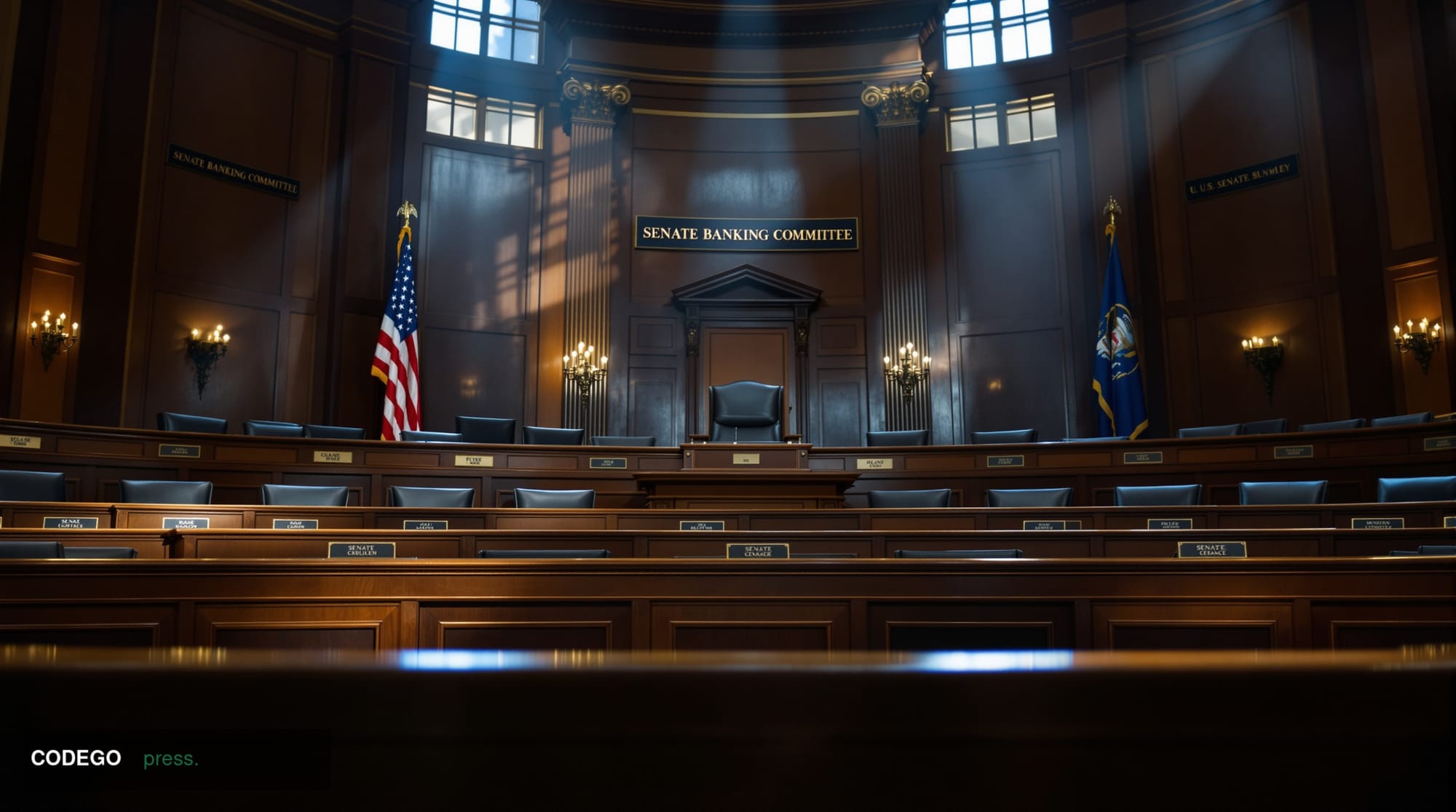
A pivotal moment in cryptocurrency regulation arrived Wednesday as Senator John Kennedy committed his support to the CLARITY Act, virtually guaranteeing passage through the Senate Banking Committee despite facing a barrage of over 100 proposed amendments. The Louisiana Republican's backing represents the decisive vote needed to advance the landmark digital asset legislation to the full Senate floor.
Kennedy's commitment comes at a crucial juncture for the cryptocurrency industry, which has long sought regulatory clarity from Washington. The CLARITY Act, formally known as the Clarity for Payment Stablecoins Act, aims to establish a comprehensive framework for digital asset regulation, potentially ending years of regulatory uncertainty that has hampered institutional adoption and innovation in the sector.
The sheer volume of amendments—exceeding 100 proposals—reflects the contentious nature of cryptocurrency regulation and the diverse perspectives within the committee. This legislative maneuvering suggests that while passage appears certain, the path forward remains fraught with competing visions for how America should regulate digital assets. The amendment process typically serves as a battleground where opposing factions attempt to either strengthen or weaken core provisions of proposed legislation.
Kennedy's position carries particular weight given the committee's narrow partisan divide and his reputation as a pragmatic voice on financial regulation. His support effectively neutralizes opposition efforts to derail the bill through procedural obstacles or poison-pill amendments. The senator's backing suggests that compromise language has been reached on key sticking points that previously threatened to fracture bipartisan support.
The timing of Thursday's scheduled vote positions the CLARITY Act for potential floor consideration before the summer recess, creating momentum for what could become the most significant cryptocurrency regulation in U.S. history. Industry observers have closely watched committee dynamics, recognizing that passage here represents the most significant legislative hurdle before broader Senate consideration.
For the broader cryptocurrency ecosystem, Kennedy's commitment signals a potential shift in regulatory winds that have blown cold for much of the current congressional session. Major exchanges, institutional investors, and blockchain developers have all advocated for the type of regulatory framework the CLARITY Act promises to deliver. The legislation's advancement could unlock billions in institutional capital that has remained sidelined pending regulatory clarity.
The amendment deluge reflects both the complexity of regulating rapidly evolving digital asset markets and the intense lobbying efforts from various stakeholders. Traditional financial institutions, cryptocurrency companies, consumer advocacy groups, and state regulators have all sought to influence the final legislative language. The high amendment count typically indicates either genuine policy disagreements or strategic delay tactics by opponents.
What this means for the cryptocurrency industry is profound. Kennedy's support virtually ensures that comprehensive digital asset regulation will advance to the full Senate, representing the furthest any major cryptocurrency bill has progressed in Congress. While the amendment process may modify specific provisions, the core framework appears likely to survive, potentially establishing the United States as a leader in digital asset regulation rather than a regulatory laggard. The Thursday vote will mark a watershed moment, transforming speculative hopes for regulatory clarity into concrete legislative reality with genuine prospects for becoming law.
Written by the editorial team — independent journalism powered by Codego Press.