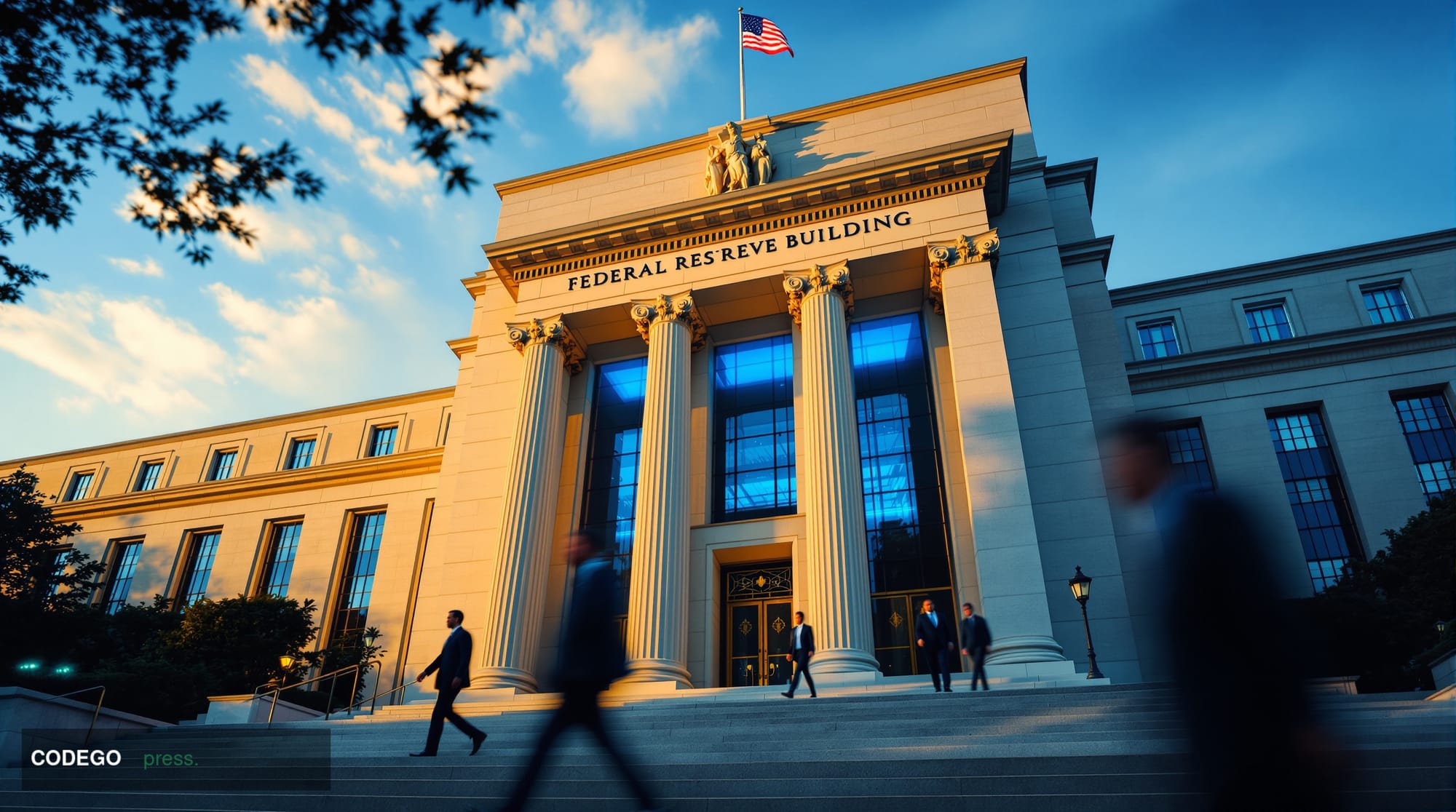
The Federal Reserve enters a new era with Kevin Warsh's confirmation as Chair, marking the end of Jerome Powell's tenure and signaling what market observers anticipate could be a fundamental shift toward more hawkish monetary policies. The transition aligns with the Trump administration's broader economic agenda, setting the stage for potential policy recalibrations that could reshape the central banking landscape.
Warsh, a former Federal Reserve governor who served from 2006 to 2011, brings a distinct perspective to the role at a critical juncture for American monetary policy. His previous tenure at the Fed during the global financial crisis provided him with firsthand experience navigating economic turbulence, though his approach to policy tools and inflation targeting may diverge significantly from the Powell era's accommodative stance.
The confirmation represents more than a personnel change—it embodies a philosophical pivot that could redefine the Fed's approach to interest rates, inflation targets, and financial market intervention. Warsh's historical positions suggest a preference for more restrictive monetary conditions, potentially signaling an end to the ultra-loose policies that characterized much of the post-2008 financial crisis period.
Market Implications and Policy Expectations
Financial markets have already begun pricing in expectations of tighter monetary conditions under Warsh's leadership. His confirmation comes at a time when the Federal Reserve faces complex challenges, including persistent inflationary pressures in certain sectors and the ongoing need to balance economic growth with price stability. The hawkish shift could manifest through more aggressive interest rate increases and a faster unwinding of the Fed's expanded balance sheet.
The banking sector, in particular, stands to be significantly affected by this policy transition. Traditional banks may benefit from higher interest rate environments that can improve net interest margins, while fintech companies and digital payment platforms could face headwinds from tighter credit conditions and reduced liquidity in the system.
Warsh's approach to financial regulation is also likely to evolve from Powell's framework. His previous statements have indicated skepticism toward excessive regulatory burden while maintaining support for robust oversight of systemically important financial institutions. This balance could prove crucial for major banking entities like JPMorgan Chase and emerging fintech platforms that have grown rapidly under the previous regulatory environment.
Cryptocurrency and Digital Assets Under New Leadership
The crypto industry watches Warsh's appointment with particular interest, given the Trump administration's evolving stance on digital assets and the Fed's ongoing exploration of a central bank digital currency. Warsh's previous comments on monetary policy suggest a more traditional approach to currency systems, which could influence the Fed's research into digital dollar initiatives and its regulatory stance toward private cryptocurrencies.
The confirmation also raises questions about the Fed's future interaction with international central banks that have moved more aggressively into digital currency development. The European Central Bank and other major institutions have advanced their digital currency projects, and Warsh's leadership may determine whether the US maintains its current cautious approach or accelerates development to remain competitive.
What This Means for the Financial Sector
Warsh's confirmation as Federal Reserve Chair represents a pivotal moment that extends far beyond traditional monetary policy. The anticipated shift toward hawkish policies could fundamentally alter the operating environment for financial institutions, from traditional banks to emerging fintech companies. Market participants should prepare for a period of policy recalibration that may challenge some of the assumptions that have driven investment and business strategies during the Powell era.
The broader implications for economic growth, inflation management, and financial stability will become clearer as Warsh begins to articulate his specific policy priorities. His success in navigating these complex challenges while maintaining the Fed's dual mandate of price stability and full employment will ultimately determine the legacy of this leadership transition and its impact on the American economy.
Written by the editorial team — independent journalism powered by Codego Press.