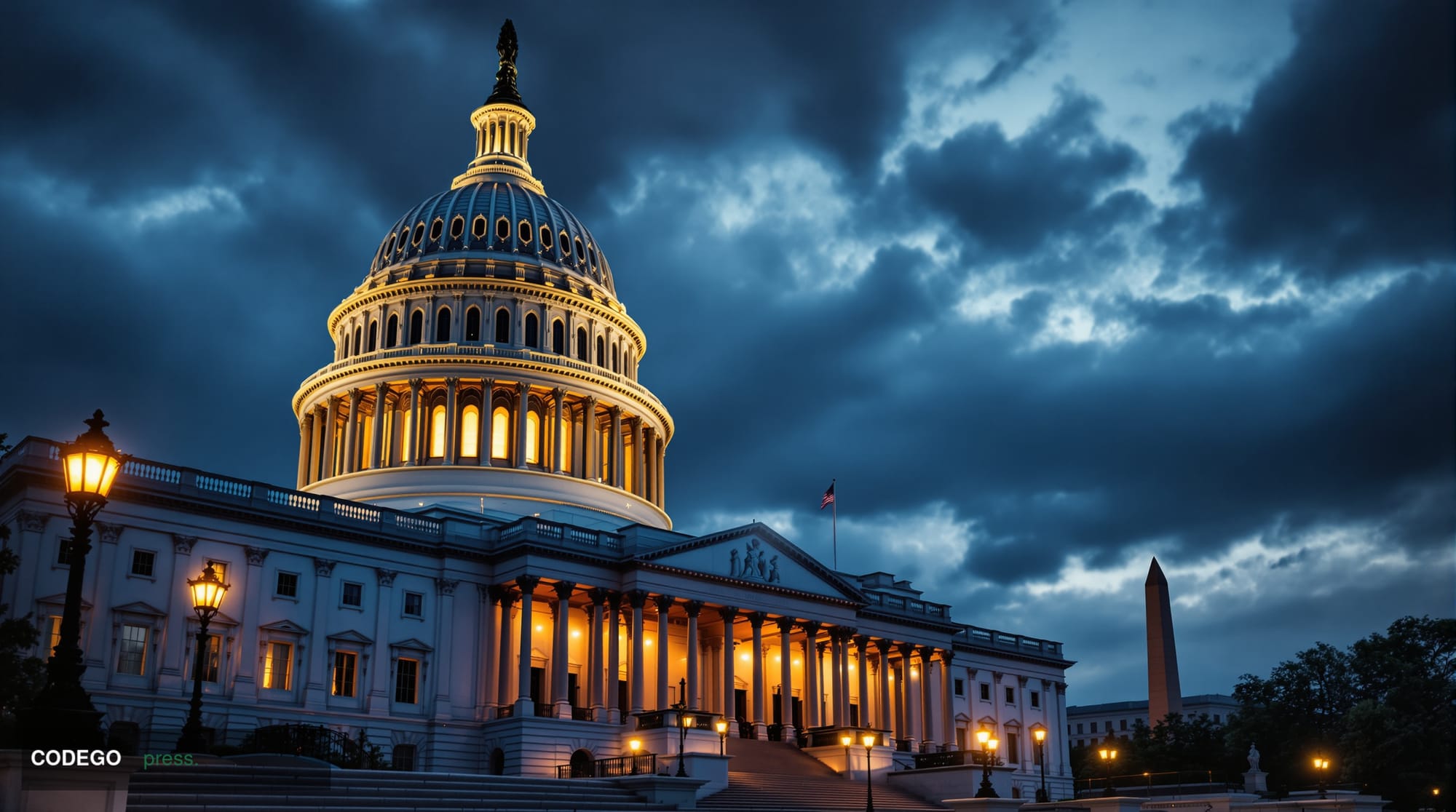
The cryptocurrency industry faces what Senator Cynthia Lummis describes as potential "regulatory dark ages" if the CLARITY Act fails to advance through the current Congressional session, highlighting the precarious position of digital asset legislation in Washington's increasingly complex political landscape.
Lummis, a Republican from Wyoming who has emerged as one of the cryptocurrency industry's most vocal advocates in the United States Senate, issued the stark warning as lawmakers face mounting pressure to establish a comprehensive regulatory framework for digital assets before the session concludes. The CLARITY Act, which seeks to provide legal certainty for cryptocurrency operations and trading, represents one of the most significant bipartisan efforts to address the regulatory vacuum that has plagued the digital asset sector for years.
The urgency behind Lummis's warning reflects broader concerns within the cryptocurrency community about the prolonged regulatory uncertainty that has characterized the American approach to digital assets. Unlike jurisdictions such as the European Union, which has implemented the Markets in Crypto-Assets regulation, or Singapore's comprehensive digital payment token framework, the United States has struggled to provide clear guidance for cryptocurrency businesses and investors.
The potential stalling of the CLARITY Act would represent a significant setback for an industry that has repeatedly called for regulatory clarity as essential for innovation and institutional adoption. Major cryptocurrency exchanges, traditional financial institutions exploring digital asset services, and blockchain technology companies have all emphasized that clear regulatory guidelines are prerequisite for the sector's continued growth and integration into mainstream finance.
Lummis's characterization of potential delays as leading to "regulatory dark ages" underscores the stakes involved for both the industry and American competitiveness in the global digital economy. The metaphor suggests not merely continued uncertainty, but active regression in the regulatory environment that could drive innovation and capital to more welcoming jurisdictions.
The timing of the warning proves particularly significant as other major economies continue advancing their own digital asset regulatory frameworks. The Bank for International Settlements has been coordinating international standards for cryptocurrency regulation, while central bank digital currencies advance in multiple jurisdictions. Without clear legislation, American businesses may find themselves at a disadvantage in the evolving global digital finance landscape.
The CLARITY Act's bipartisan nature had initially generated optimism that comprehensive cryptocurrency regulation might finally emerge from Congressional gridlock. However, the complex technical and policy questions surrounding digital assets, combined with broader political dynamics in Washington, have complicated efforts to advance the legislation through both chambers of Congress.
For the cryptocurrency industry, the stakes extend beyond immediate regulatory concerns to fundamental questions about the United States' role in shaping the future of digital finance. As blockchain technology continues evolving and institutional adoption accelerates globally, the absence of clear American regulatory standards could have lasting implications for innovation, investment flows, and technological leadership.
The warning from Lummis serves as both a rallying cry for legislative action and a sobering reminder of the regulatory challenges that continue confronting the digital asset sector. Whether Congress can overcome these obstacles before the session concludes will likely determine not only the immediate trajectory of cryptocurrency regulation but also America's position in the rapidly evolving global digital economy.
Written by the editorial team — independent journalism powered by Codego Press.