Marathon Digital Holdings, one of America's largest Bitcoin mining operations, has executed a massive $1.5 billion liquidation of its cryptocurrency holdings while reporting a staggering $1.26 billion loss for the first quarter, marking a dramatic strategic pivot that reflects the broader mining industry's shift toward artificial intelligence infrastructure.
The company's decision to divest such a substantial portion of its Bitcoin reserves represents more than a simple portfolio adjustment—it signals a fundamental recalibration of business priorities as traditional cryptocurrency miners grapple with evolving market dynamics and emerging opportunities in the AI sector. MARA's strategic repositioning comes at a time when the economics of Bitcoin mining face increasing pressure from energy costs, regulatory scrutiny, and competition for computational resources.
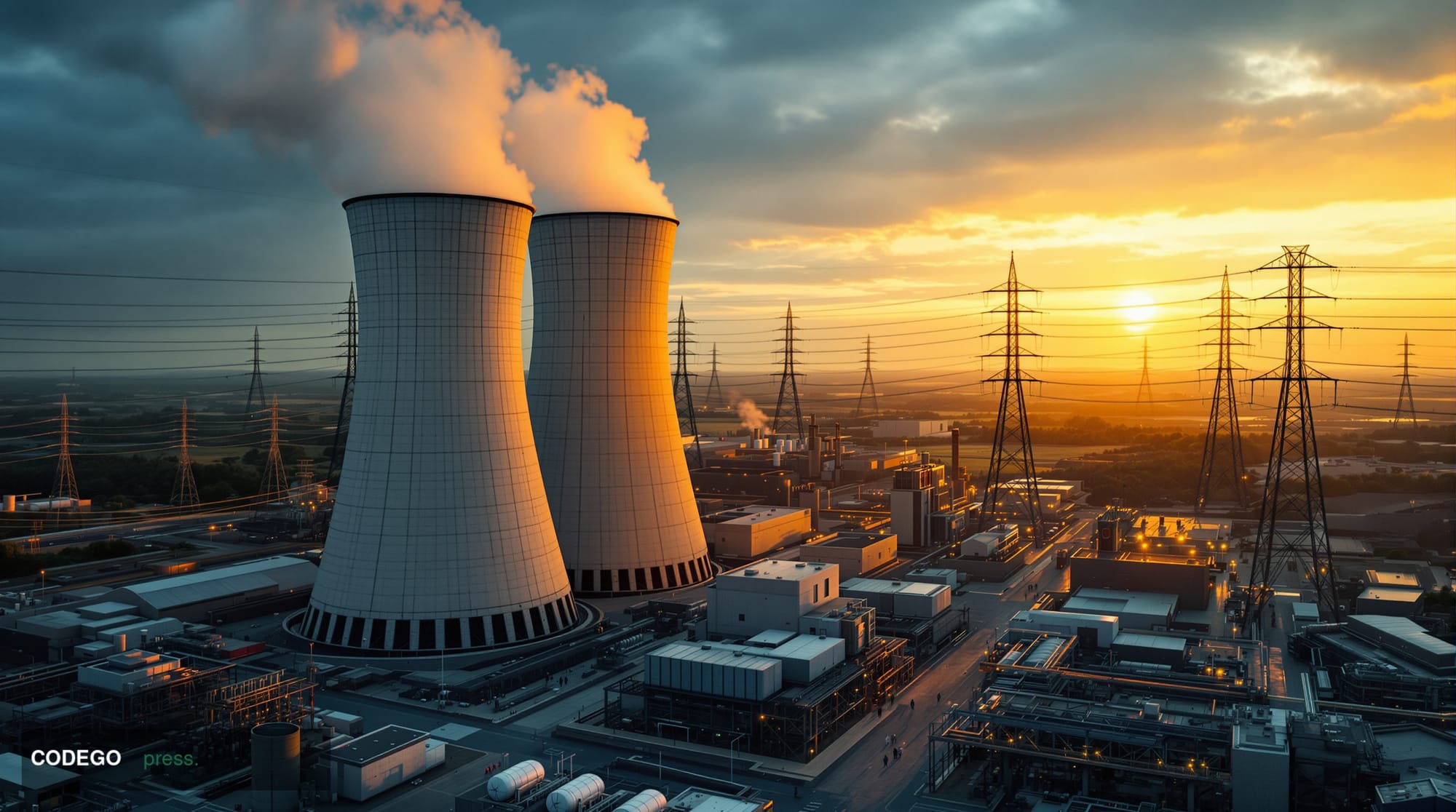
The proceeds from the Bitcoin liquidation are funding two critical strategic initiatives: debt buybacks designed to strengthen the company's balance sheet and the acquisition of a power plant that positions MARA for expanded operations beyond traditional cryptocurrency mining. This power generation asset acquisition reflects a growing trend among mining companies to secure dedicated energy infrastructure, providing both operational stability and the flexibility to pivot toward energy-intensive AI workloads.
Strategic Debt Reduction and Infrastructure Investment
MARA's debt buyback program addresses one of the most pressing challenges facing the mining industry: managing the substantial leverage accumulated during the sector's rapid expansion phase. By reducing its debt burden with Bitcoin proceeds, the company is creating financial flexibility essential for navigating the volatile cryptocurrency landscape while positioning itself for new growth opportunities in AI infrastructure.
The power plant acquisition represents a particularly astute strategic move, as dedicated energy generation capabilities provide MARA with operational independence and the ability to optimize power costs—a critical factor given that electricity typically represents 60-70% of mining operational expenses. More significantly, owning power generation assets positions the company to serve the rapidly growing demand for AI computational infrastructure, which requires similar high-energy, high-performance computing capabilities.
Industry-Wide Shift Toward AI Infrastructure
MARA's strategic pivot reflects a broader transformation occurring across the Bitcoin mining industry, as companies recognize the potential for their existing computational infrastructure to serve artificial intelligence workloads. The technical similarities between cryptocurrency mining and AI training—both requiring massive parallel processing capabilities and robust power delivery systems—create natural synergies that mining companies are increasingly exploiting.
This industry evolution addresses several strategic challenges simultaneously. AI infrastructure demand continues growing exponentially, driven by enterprise adoption of machine learning applications and the proliferation of large language models. Mining companies possess exactly the type of high-performance computing infrastructure and power management expertise required to capture this market opportunity, while also diversifying revenue streams beyond the inherent volatility of cryptocurrency markets.
Financial Performance and Market Implications
The $1.26 billion quarterly loss, while substantial, must be understood within the context of MARA's strategic transformation and the broader cryptocurrency market conditions during the first quarter. This figure likely reflects write-downs related to Bitcoin holdings, infrastructure investments, and one-time costs associated with the company's strategic repositioning rather than operational inefficiencies.
The magnitude of the Bitcoin liquidation—$1.5 billion—demonstrates both the scale of MARA's previous cryptocurrency accumulation and management's commitment to funding its strategic pivot. This level of asset liquidation provides substantial capital for debt reduction and infrastructure investment while potentially reducing the company's exposure to Bitcoin price volatility, a consideration that may appeal to investors seeking more stable revenue models.
What This Means for the Mining Sector
MARA's strategic transformation represents a potential template for how traditional Bitcoin miners can evolve beyond pure cryptocurrency focus toward more diversified technology infrastructure providers. The company's approach of leveraging existing computational assets while securing dedicated power generation capabilities creates a foundation for serving multiple high-growth technology sectors simultaneously.
This pivot toward AI infrastructure also reflects the maturation of the Bitcoin mining industry, as companies move beyond the early-stage focus on cryptocurrency accumulation toward more sophisticated business models that leverage their core competencies in high-performance computing and power management. The success of this strategy could influence similar transformations across the sector, particularly as AI infrastructure demand continues accelerating and traditional mining margins face ongoing pressure.
Written by the editorial team — independent journalism powered by Codego Press.