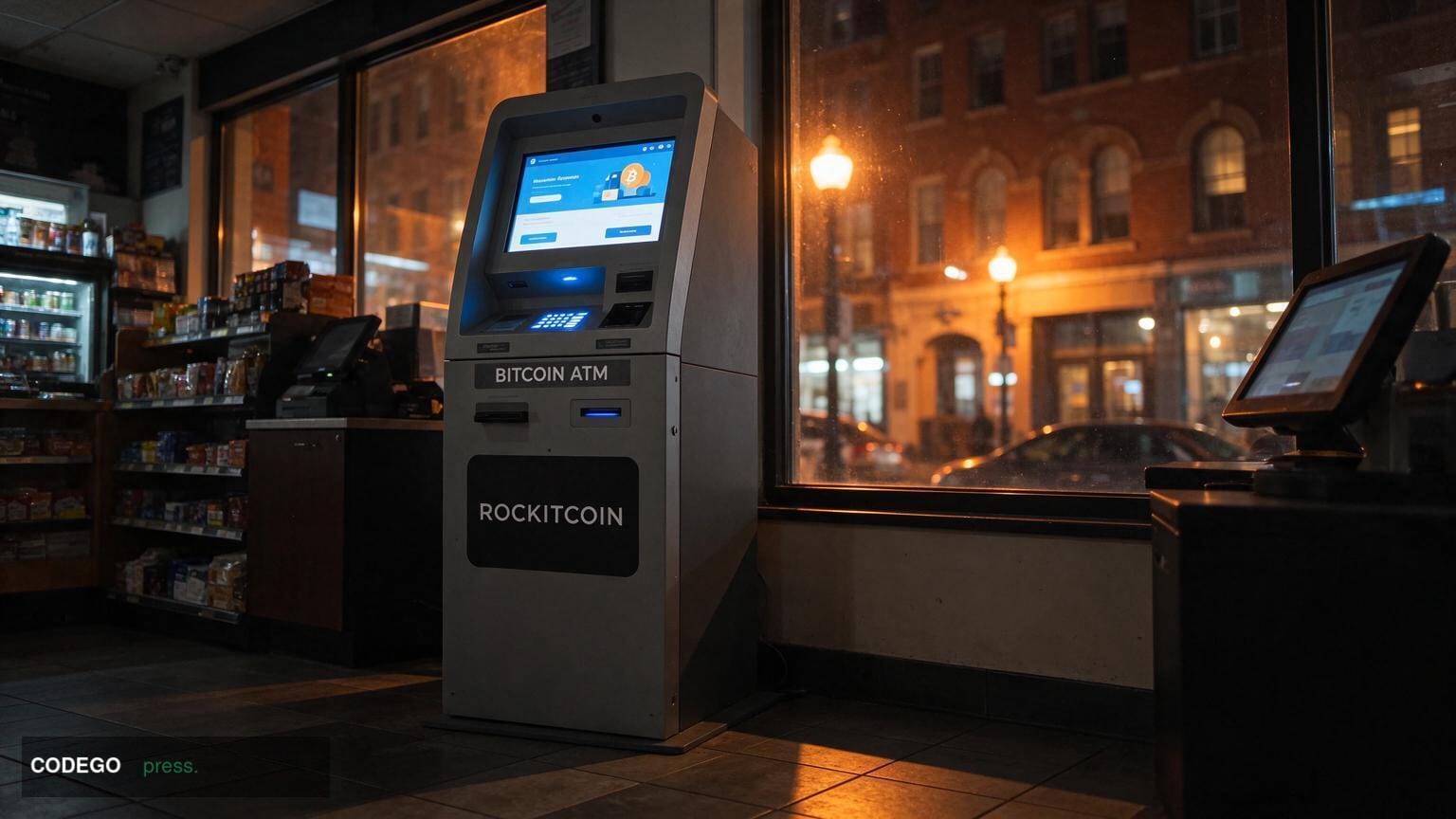
Massachusetts is moving toward one of the most consequential state-level cryptocurrency regulatory actions in recent American history, with a statewide ban on crypto automated teller machines set to take effect on January 5, 2027. The deadline, now firmly fixed on the legislative calendar, has drawn the attention of industry operators, consumer advocates, and policymakers far beyond the state's borders — transforming a regional regulatory dispute into a potential blueprint for how the United States governs retail crypto access at the street level.
The practical stakes for Massachusetts residents are considerable. Crypto ATMs — the physical kiosks that allow consumers to exchange cash for digital currencies and vice versa — have proliferated in convenience stores, gas stations, and retail corridors across the Commonwealth over the past several years. For many lower-income and unbanked consumers, these machines have served as a primary point of entry into digital asset markets, offering accessibility that app-based exchanges often fail to provide for those without smartphones, stable internet connections, or bank accounts meeting platform requirements. A blanket statewide prohibition would eliminate that access overnight.
Local economic consequences are expected to be significant. Businesses that host crypto ATM kiosks typically collect a fee or rental income from operators, representing a modest but meaningful revenue stream for small independent retailers already navigating thin margins in a challenging economic environment. The operators themselves — ranging from small regional companies to larger national networks — would face immediate disruption to business models built around the Massachusetts market. The ripple effects on leases, staffing, and ancillary services attached to these machines are not trivial at the community level.
The regulatory rationale behind such a ban typically centers on consumer protection and anti-money laundering concerns. The Financial Crimes Enforcement Network has long flagged crypto ATMs as a vehicle for illicit finance, noting that their cash-in, cash-out functionality can be exploited for fraud, money laundering, and scam facilitation — particularly targeting elderly consumers who are manipulated into feeding cash into machines under false pretenses. State-level legislators sympathetic to this argument have positioned the Massachusetts ban as a protective measure, prioritizing consumer safety over market accessibility. Whether the ban represents sound policy or an overcorrection that penalizes legitimate users for the sins of bad actors remains the central fault line of the debate.
What makes the January 5, 2027 deadline particularly significant is its potential to function as a legislative signal to state capitals across the country. Several states have been monitoring Massachusetts closely, weighing their own approaches to crypto ATM regulation amid broader uncertainty about federal-level digital asset governance. If Massachusetts follows through with a full prohibition and that prohibition survives legal challenge, it hands other state legislatures a tested model and political cover to pursue similar measures. Conversely, if the ban faces successful court challenges on commerce clause or preemption grounds, it could clarify the limits of state authority over crypto infrastructure — an outcome the industry would view as equally consequential, if more favorable.
The crypto ATM industry itself has not been passive in the face of mounting regulatory pressure. Operators have argued, with some validity, that transaction fee caps and enhanced Know Your Customer requirements — rather than outright prohibition — represent a more proportionate regulatory response. Industry tracking platforms have documented a gradual tightening of compliance standards across the sector, with many operators voluntarily implementing stricter identity verification, daily transaction limits, and fraud warning systems. Whether Massachusetts legislators regard these industry-led improvements as sufficient to justify a less restrictive approach remains unclear as the deadline approaches.
The broader context matters as well. The United States federal government has not established a unified regulatory framework for crypto ATMs, leaving states to construct patchwork rules that vary dramatically in their permissiveness. This regulatory fragmentation creates compliance burdens for multi-state operators and leaves consumers without consistent protections regardless of their zip code. A Massachusetts ban, however well-intentioned, does not resolve that underlying structural problem — it simply removes one state from the map of accessible retail crypto infrastructure.
What This Means for the Industry and Policymakers
The January 5, 2027 deadline is not merely a local compliance date — it is a countdown with national implications. For crypto ATM operators, the immediate priority is legal preparedness: understanding the precise scope of the prohibition, any exemptions that may apply, and the viability of judicial challenge. For state legislators elsewhere, Massachusetts provides a live case study in the political and economic trade-offs of aggressive crypto regulation. And for consumers — particularly those in underserved communities who have relied on these machines as a practical financial tool — the ban raises urgent questions about who bears the cost of regulatory action ostensibly designed to protect them. The answers that emerge from Massachusetts over the coming months will reverberate well beyond its state lines, shaping the terrain of crypto access policy across the United States for years to come.
Written by the editorial team — independent journalism powered by Codego Press.