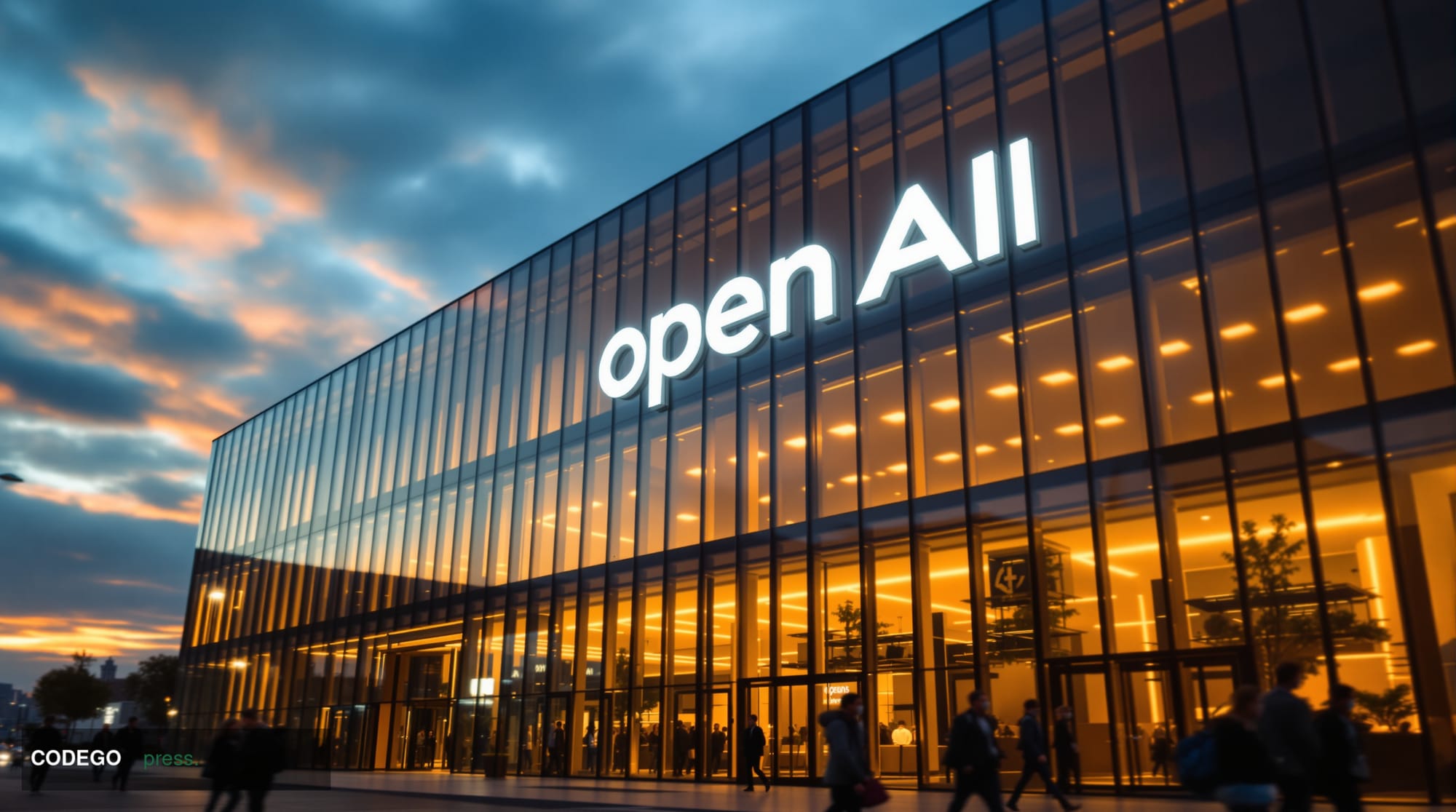
The artificial intelligence company that revolutionized conversational computing is now preparing to abandon the very product that made it a household name. OpenAI, which launched ChatGPT in 2022 and sparked the current AI boom, has set its sights on a far more ambitious target: transforming from a simple question-and-answer interface into a comprehensive superapp ecosystem.
This strategic pivot represents one of the most significant shifts in the technology sector since social media platforms evolved beyond basic networking tools. Rather than continuing to refine its chatbot capabilities, OpenAI is betting its entire future on creating an integrated platform that resembles Tencent's WeChat more than a traditional AI assistant. The move signals a fundamental rethinking of how artificial intelligence companies can capture and monetize user engagement in an increasingly competitive landscape.
The implications for the fintech and digital banking sectors are profound. WeChat's success in China demonstrates how a messaging platform can evolve into a comprehensive financial services ecosystem, handling everything from peer-to-peer payments to investment products and merchant transactions. By pursuing a similar model, OpenAI is positioning itself to potentially disrupt traditional financial institutions through an AI-powered interface that could handle banking, payments, and financial planning alongside its existing conversational capabilities.
The Superapp Strategy Emerges
OpenAI's transformation from chatbot creator to superapp developer reflects broader industry recognition that standalone AI tools, while impressive, face inherent limitations in user retention and revenue generation. The company's original ChatGPT model, despite its revolutionary capabilities, operates primarily as a one-time interaction tool rather than a persistent platform that users integrate into their daily workflows.
The superapp approach addresses these limitations by creating an ecosystem where users can access multiple services through a single interface. This model has proven exceptionally successful in Asian markets, where WeChat processes over $2.3 trillion in annual payment volume while serving as a social network, news platform, and business tool. For OpenAI, adopting this framework could unlock similar revenue streams while leveraging its advanced language processing capabilities as a competitive differentiator.
The timing of this strategic shift coincides with increasing competition in the AI space, as tech giants like Microsoft, Google, and Amazon integrate artificial intelligence capabilities into their existing platforms. By moving toward a superapp model, OpenAI aims to establish a defensible market position that extends beyond pure AI functionality into comprehensive digital services.
Financial Services Integration Potential
The convergence of AI and financial services within a superapp framework presents unprecedented opportunities for innovation in digital banking and payments. OpenAI's language processing capabilities could enable sophisticated financial advisory services, automated budgeting tools, and intelligent transaction categorization that surpasses current fintech offerings. Users could theoretically manage their entire financial lives through conversational interfaces that understand context, preferences, and long-term goals.
Traditional banks and fintech companies must now consider how to compete with or partner alongside AI-powered superapps that could potentially offer superior user experiences through natural language interfaces. The threat is particularly acute for digital-first financial institutions that have built their competitive advantages around user experience and technological innovation, only to face potential disruption from a platform that could integrate financial services as one component of a broader ecosystem.
Regulatory considerations will likely play a crucial role in determining how successfully OpenAI can execute this transformation. Financial services integration requires compliance with banking regulations, anti-money laundering requirements, and consumer protection standards that differ significantly from the relatively light regulatory environment that has governed AI chatbots.
Market Implications and Future Outlook
OpenAI's strategic pivot represents a broader trend toward platform consolidation in the technology sector, where successful companies increasingly seek to become comprehensive digital ecosystems rather than specialized tools. This approach offers higher user lifetime value, stronger competitive moats, and more diversified revenue streams, but also requires significantly greater operational complexity and regulatory compliance.
The success of this transformation will largely depend on OpenAI's ability to maintain its technological leadership in artificial intelligence while building competencies in areas like financial services, e-commerce, and platform management. The company must also navigate the challenge of expanding its user base beyond AI enthusiasts to mainstream consumers who may be more interested in practical services than conversational AI capabilities.
For the broader fintech industry, OpenAI's superapp ambitions signal a potential new phase of competition where AI capabilities become table stakes for financial services platforms. Companies that fail to integrate sophisticated artificial intelligence into their offerings may find themselves at a significant disadvantage against platforms that can offer both traditional financial services and advanced AI-powered features within unified ecosystems.
The transformation from ChatGPT to superapp represents more than a product evolution—it reflects a fundamental shift in how AI companies view their role in the digital economy. Rather than serving as specialized tools, they aspire to become comprehensive platforms that mediate multiple aspects of users' digital lives, including their financial relationships and transactions.
Written by the editorial team — independent journalism powered by Codego Press.