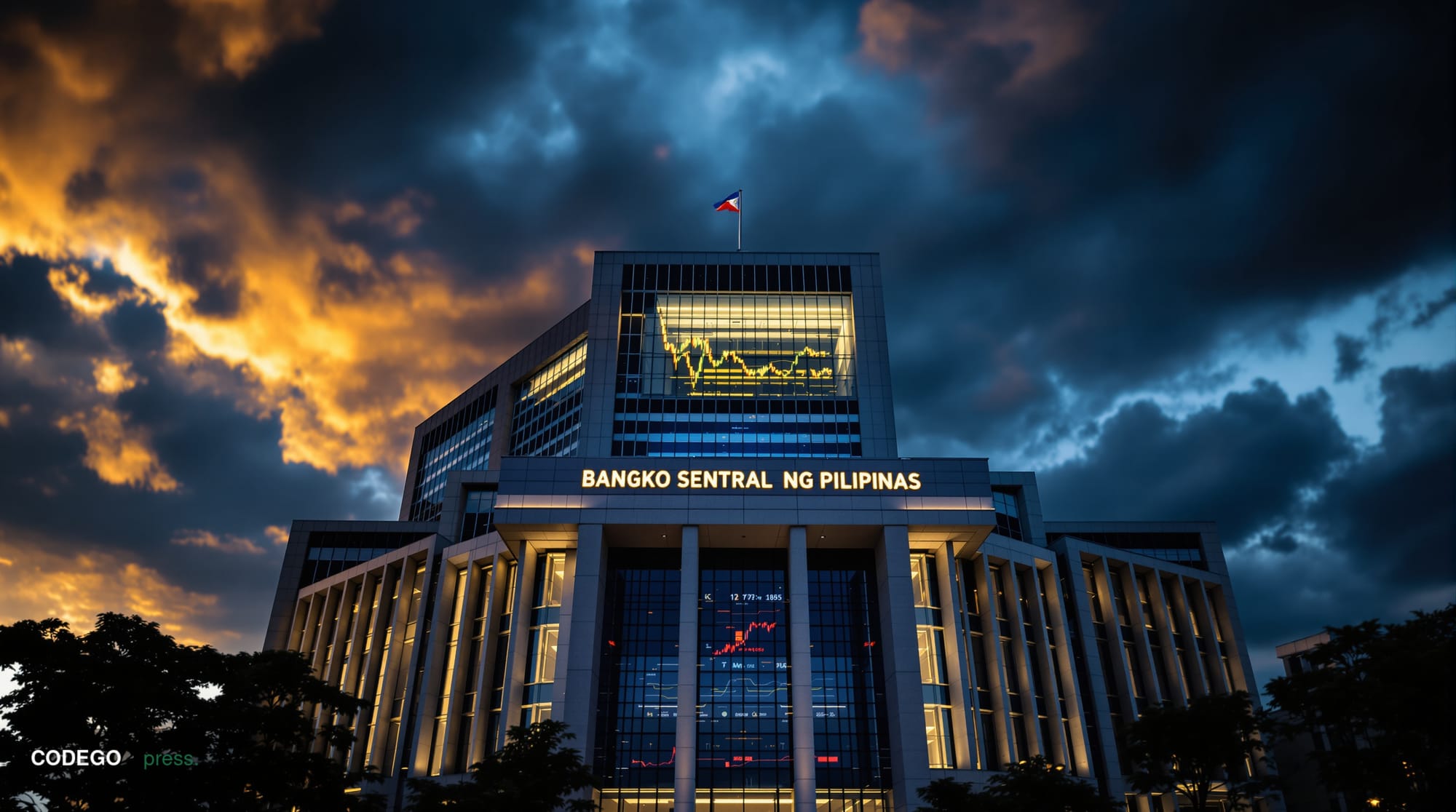
The Bangko Sentral ng Pilipinas has delivered a significant blow to Binance's Philippine market ambitions, warning that the global cryptocurrency exchange and its local partner BlockShoals Technologies lack the required virtual asset service provider licenses to operate in the Southeast Asian nation. The central bank's clarification threatens to derail Binance's carefully orchestrated return strategy through the Philippine Securities and Exchange Commission's Strategic Sandbox program.
The regulatory roadblock exposes the complex jurisdictional challenges facing international cryptocurrency platforms attempting to navigate the Philippines' evolving digital asset framework. While Binance had positioned its partnership with BlockShoals Technologies as a pathway to regulatory compliance, the BSP's intervention reveals that multiple regulatory approvals may be required across different government agencies, creating potential coordination gaps in the country's oversight structure.
Binance's reliance on the StratBox program—the Philippine Securities and Exchange Commission's regulatory sandbox designed to allow innovative financial services to operate under relaxed compliance requirements—now appears insufficient for full market access. The BSP's warning suggests that virtual asset service provider licensing falls under the central bank's jurisdiction, separate from securities regulation overseen by the SEC. This regulatory bifurcation creates additional compliance burdens for cryptocurrency exchanges seeking comprehensive market authorization.
The timing of the BSP's clarification is particularly significant given the Philippines' status as one of Asia's most active cryptocurrency markets. The country has emerged as a key battleground for major exchanges following increased regulatory scrutiny across the region, with platforms seeking jurisdictions that offer both market access and regulatory certainty. The central bank's intervention signals that Philippine authorities are taking a cautious approach to cryptocurrency oversight, prioritizing comprehensive licensing requirements over market facilitation.
BlockShoals Technologies' involvement as Binance's local partner highlights the exchange's strategy of working through domestic entities to satisfy regulatory requirements—a common approach across emerging markets. However, the BSP's warning indicates that partnership structures alone may not satisfy licensing obligations, potentially forcing international platforms to seek direct regulatory approval or modify their operational structures significantly.
The regulatory confusion also underscores broader challenges in cryptocurrency oversight across Southeast Asia, where multiple agencies often claim jurisdiction over different aspects of digital asset operations. The disconnect between the SEC's sandbox program and the BSP's licensing requirements reflects the complexity of regulating an industry that spans traditional financial services, securities markets, and monetary policy domains.
For Binance, the Philippine setback represents another obstacle in its global compliance efforts following regulatory challenges in multiple jurisdictions. The exchange has invested heavily in obtaining proper licensing and building relationships with local partners as part of its strategy to operate within regulatory frameworks rather than challenging them. The BSP's intervention suggests that even cooperative approaches may face unexpected regulatory hurdles.
The broader implications extend beyond Binance to the entire cryptocurrency industry's relationship with Philippine regulators. The BSP's clear stance on licensing requirements establishes precedent for other international platforms considering market entry, potentially raising compliance costs and extending approval timelines. This regulatory clarity, while challenging for immediate market access, may ultimately benefit the industry by establishing clear operating parameters and reducing regulatory uncertainty over the long term.
Written by the editorial team — independent journalism powered by Codego Press.